What exactly is Erythritol?
Erythritol, a naturally produced sweetener, carries about 60% to 70% of the sweetness level found in commercial sugar.
In appearance, Erythritol looks similar to sugar and is calorie-free. Despite this, it is 30-40% less sweet than regular table sugar, meaning that 130-140 grams of Erythritol offer the same sweetness as 100 grams of sugar. Indulging in
Sweets without Sugar
Thankfully, we don't need to give up sweets entirely, thanks to sugar alternatives like Erythritol, which allow guilt-free snacking. It both looks and tastes like regular sugar. For frustration-free and pleasurable enjoyment, Erythritol is the perfect choice.
Sugar Alternatives
When opting for Erythritol as a sugar alternative, you can use it in nearly all the same ways you would use regular sugar. It has gained popularity recently due to its calorie-free nature and tooth-friendly properties.
Produced entirely from vegetable raw materials (without genetic modification), this product is ideal for baking, desserts, and sweet dishes. It's well-suited for those who wish to sweeten desserts and hot drinks without adding calories.
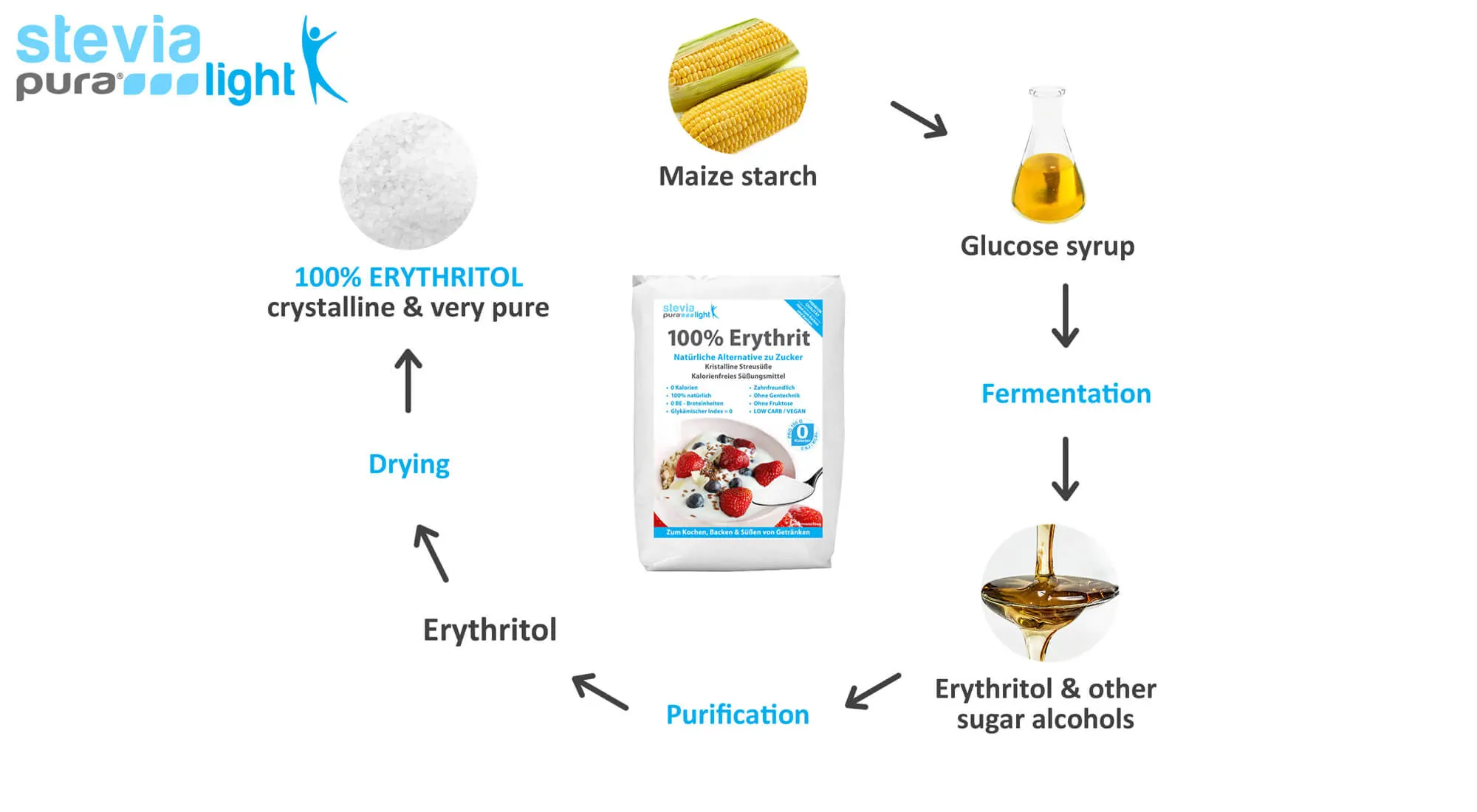
Much like beer and wine, Erythritol is produced by fermenting sugar.
Enjoying Sweetness without Sugar
Sugar is present in many foods, often hidden in agave syrup, fructose, or honey, making it challenging to avoid entirely.
However, sugar alternatives high in fructose are less favorable since the body hardly uses fructose for energy, converting it directly into fat and storing it in the liver. Artificial sweeteners like acesulfame-K, aspartame, and sucralose are frequently criticized for indirectly promoting fat storage.
In contrast, our sugar alternative consists of Erythritol, a 100% natural and calorie-free sugar substitute made from corn through fermentation. Not only is it particularly tooth-friendly, but it is also GMO-free. Erythritol tastes like sugar and closely resembles its appearance, offering all the sweetness without the harmful disadvantages associated with sugar.
Calorie-Free Sweetening with Erythritol
Health and nutrition-conscious people have not been using sugar for a long time, but sweeten and bake with sugar substitutes such as Erythritol (Erythritol), because alternative sweeteners are currently in vogue.
It is a sugar alcohol that occurs naturally in small amounts, for example in cheese or grapes. It is produced by fermentation of glucose.
The health risks associated with sugar are great. Especially if too much of it is taken, which is a real problem in today's society. There are many studies on the fact that increased sugar consumption makes people ill in the long run. Elevated blood sugar levels are not only a problem for healthy people, but also for patients with diabetes.
Those who want to take a healthier path and do without sugar consumption can now find numerous alternatives. Sugar substitutes can be used to partially or even completely replace sugar, such as Erythritol or Stevia.
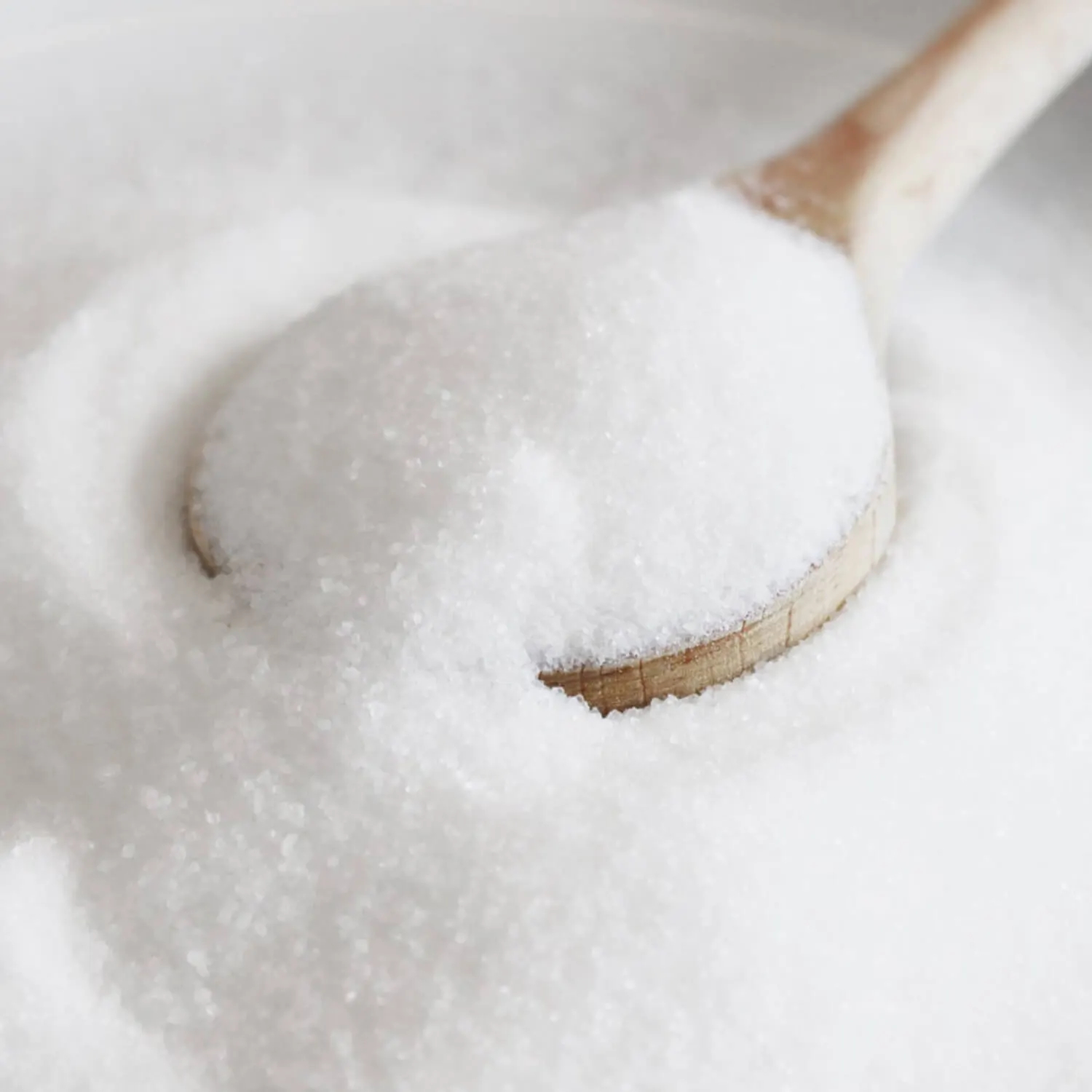
Advantages of Reducing Sugar Consumption
There are numerous reasons to cut down on sugar in your daily life. Whether your goal is weight loss, leading a healthier and more active lifestyle, preventing certain diseases, or treating existing conditions, reducing sugar intake is always beneficial.
· The body can become addicted to sugar, as it activates the brain's reward system by releasing specific neurotransmitters. This is why stress often triggers a strong craving for sweets.
· High sugar consumption can promote overweight. The body stores excess sugar as fat rather than using it for energy, potentially leading to severe health issues like obesity or type 2 diabetes.
· Excessive sugar intake weakens the immune system. Sugar can accelerate cell aging by depositing cell proteins, and white blood cells, which usually protect us from disease, are also compromised by too much sugar.
· Additionally, sugar contributes to the formation of cavities. Caries bacteria thrive on sugar, and increased consumption provides an ideal environment for cavities to develop in the teeth.
Erythritol as a Sugar Alternative
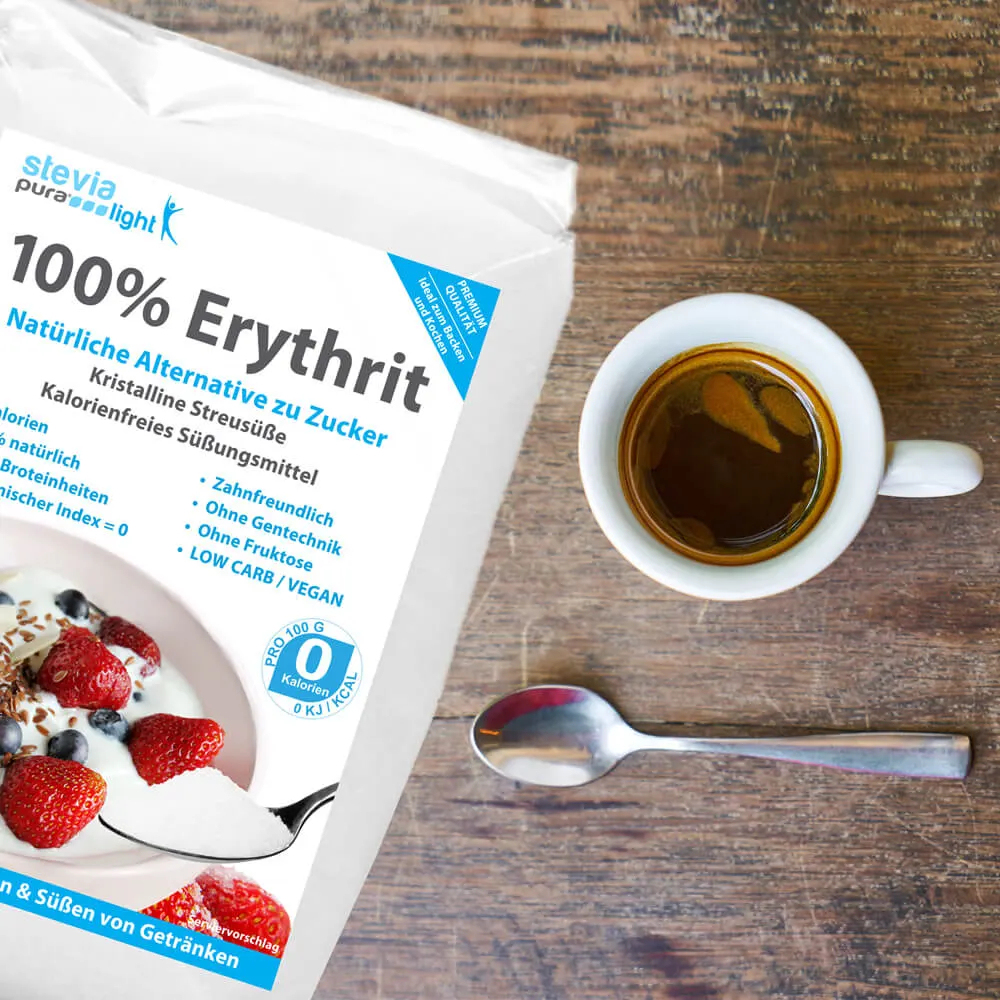
Erythritol, a calorie-free sugar substitute, is widely popular for sweetening drinks and food due to its neutrality on blood sugar levels. This 'light' sugar substitute is particularly favored by athletes, diabetics, and those on diets. Additionally, it is gentle on teeth and often used in sugar-free drinks.
Production of Pure Erythritol
In France, pure Erythritol is produced and created through fermentation of glucose derived from corn starch using yeast cultures. After purification and crystallisation, it resembles sugar in both appearance and taste. Typically, we do not offer organic Erythritol as it is produced solely in China. Erythritol is highly suitable for baking and enjoying sugar-free desserts healthily.
Guilt-Free Sweetening Without Sugar
Our extensive range includes sugar alternatives like 100% pure Erythritol, the steviapura®PLUS blend of Erythritol and Stevia, and other natural sweeteners, all free from added sugar.
Health Benefits of Erythritol
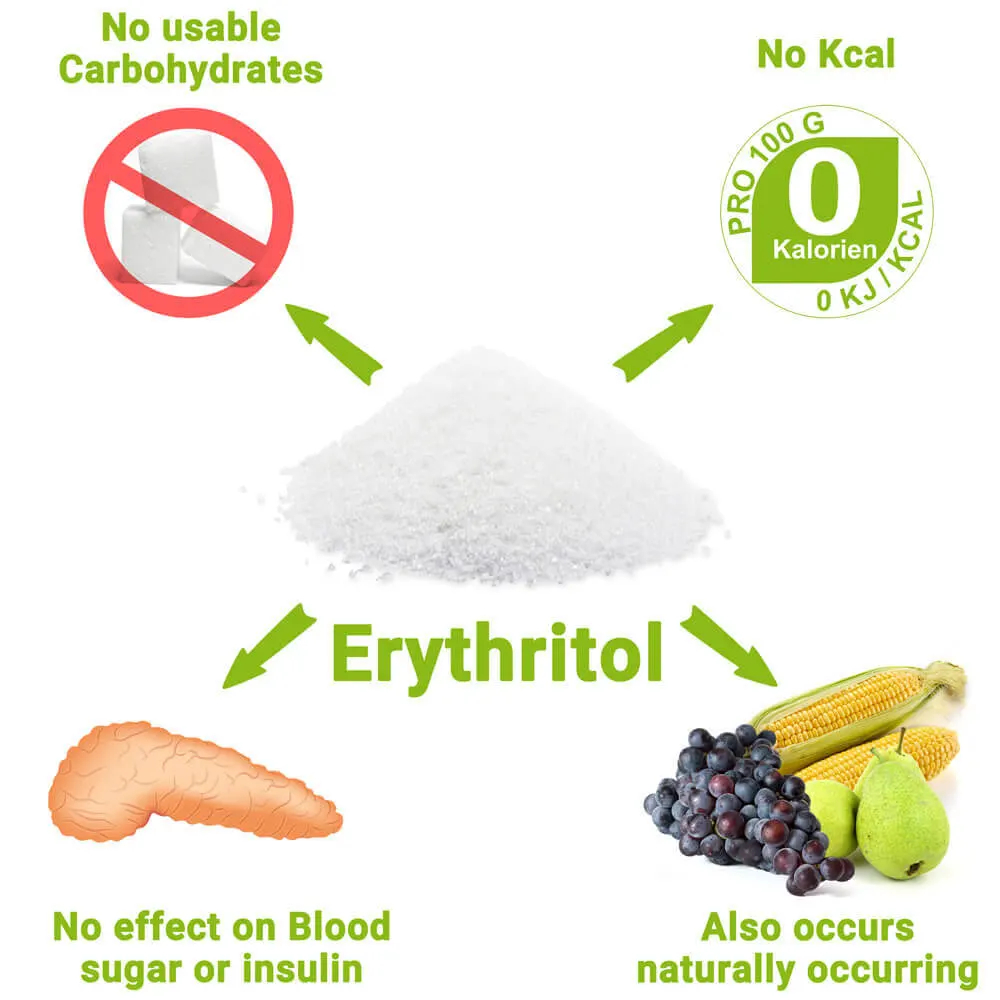
Erythritol (E 968) is minimally metabolized by our body, which is why it does not affect blood sugar levels. In addition to reducing food cravings, this sugar alcohol prevents flatulence because over 90% of it is excreted unchanged in the urine. Its safety for health has been confirmed by numerous international studies. Even with an extremely high dose of 1000 mg per kilogram of body weight, no gastrointestinal issues or similar problems arose in a clinical study. A daily intake of 0.7g per kilogram of body weight can be consumed without any concerns.
Positive Attributes of Erythritol
A key benefit of the sugar substitute Erythritol is its negligible calorie content, which doesn't place a burden on the pancreas. Blood sugar levels remain largely unaffected because the body almost doesn't metabolize it. Hence, the glycaemic index of Erythritol is 0. Consuming Erythritol doesn't cause a spike in blood sugar levels or cravings.
Providing a prolonged feeling of satiety unlike sugar, Erythritol has a glycaemic index of 0 and thus doesn't impact blood sugar levels.
· Zero calories
· No carbohydrates
· Suitable for diabetics
· Tooth-friendly
· Resembles sugar
· Tastes like sugar
Erythritol: A Natural Sweetener
Despite being composed of carbohydrates, Erythritol is perfect for a low-carb diet as it isn't metabolized. More than 90% of Erythritol is excreted unchanged in the urine, with the remaining 10% passing through the large intestine. Since no energy conversion takes place, it means no calories to count.
Resembling sugar with small white crystals, pure Erythritol contains no flavors, allergens, genetic modifications, or additives. Other benefits include stability under temperature fluctuations, heat-resistance, and non-hygroscopic properties. Incorporating Erythritol into a Health-Conscious Diet.
Thanks to the aforementioned properties, Erythritol is an excellent sugar substitute for health-conscious diets. It also aids in maintaining tooth mineralization and doesn't support caries bacteria growth, making tooth protection another advantage.
Potential Drawbacks of Erythritol
Some consider the lower sweetness level of Erythritol compared to sugar a disadvantage. This reflects in the energy content as well. For instance, refined sugar contains roughly 390 calories per 100 grams, while Erythritol only has about 20 calories.
· Only 70% of the sweetening power of sugar
· Expensive to process
· Harmful for pets
Generally easy to digest, Erythritol may cause side effects such as abdominal pain, flatulence, and diarrhea, even in small amounts, in some users. Therefore, it’s advisable to gradually increase intake initially.
Another drawback is its approximately 70% sweetening power compared to sugar, requiring dosage adjustments in recipes.
Production of Erythritol
A sugar alcohol, Erythritol is a naturally occurring molecule found in small quantities in fruits like watermelons, grapes, and pears. It is obtained through the fermentation of glucose derived from corn starch. Initially, glucose is mixed with yeast, causing fermentation and resulting in alcohols or acids. After heating and boiling down the fermented mixture, Erythritol crystals form. These crystals are then cleaned, redissolved, and filtered several times to produce pure Erythritol crystals, removing impurities.
Chemically, Erythritol partially resembles sugar and partially resembles alcohol, classifying it as a sugar alcohol (polyol). However, unlike ethanol, these sugar alcohols are not intoxicating, drinkable, and are Halal.

Usage and Dosage of Erythritol
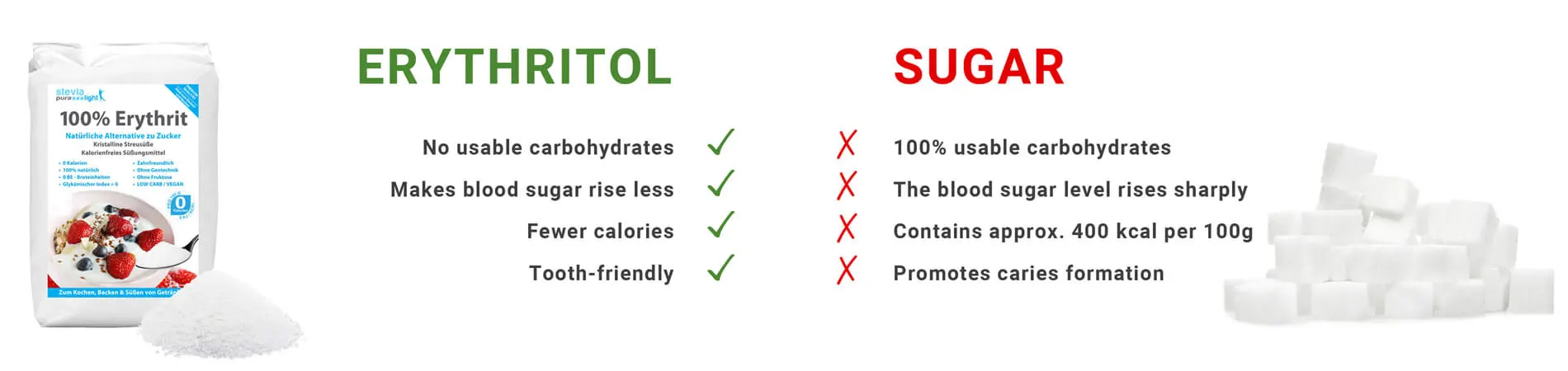
Erythritol serves as an excellent sugar alternative for cooking, baking, and sweetening drinks or food. It is heat stable up to 180°C and water soluble. Its sweetening power is approximately 70% of that of sugar. Therefore, to match the sweetness of 100 grams of sugar, you would need about 130 grams of Erythritol. Essentially, Erythritol can be used in any situation where sugar is typically utilized. However, due to its tendency to crystallize, it is not suitable for making jam.
Since Erythritol has a slightly different sweetening power compared to household sugar, a bit of adjustment in measurements is required. Sprinkle sweeteners, which are a blend of Erythritol and Stevia, can be a suitable substitute, replacing sugar in a 1:1 ratio.
Carbohydrates in Erythritol appear as sugar alcohols and aren’t metabolized by the body in the same way as sugar. For this reason, Erythritol is also referred to as low-carb sugar. Although it contains neither sugar nor usable carbohydrates, it is not completely carbohydrate-free. Erythritol is ideal for a low-carb diet because it isn’t processed as an energy source in the metabolism.
Comparing Erythritol and Xylitol
Structurally, Erythritol and xylitol are very similar, both being low-carb sugar substitutes classified as sugar alcohols with many positive properties.
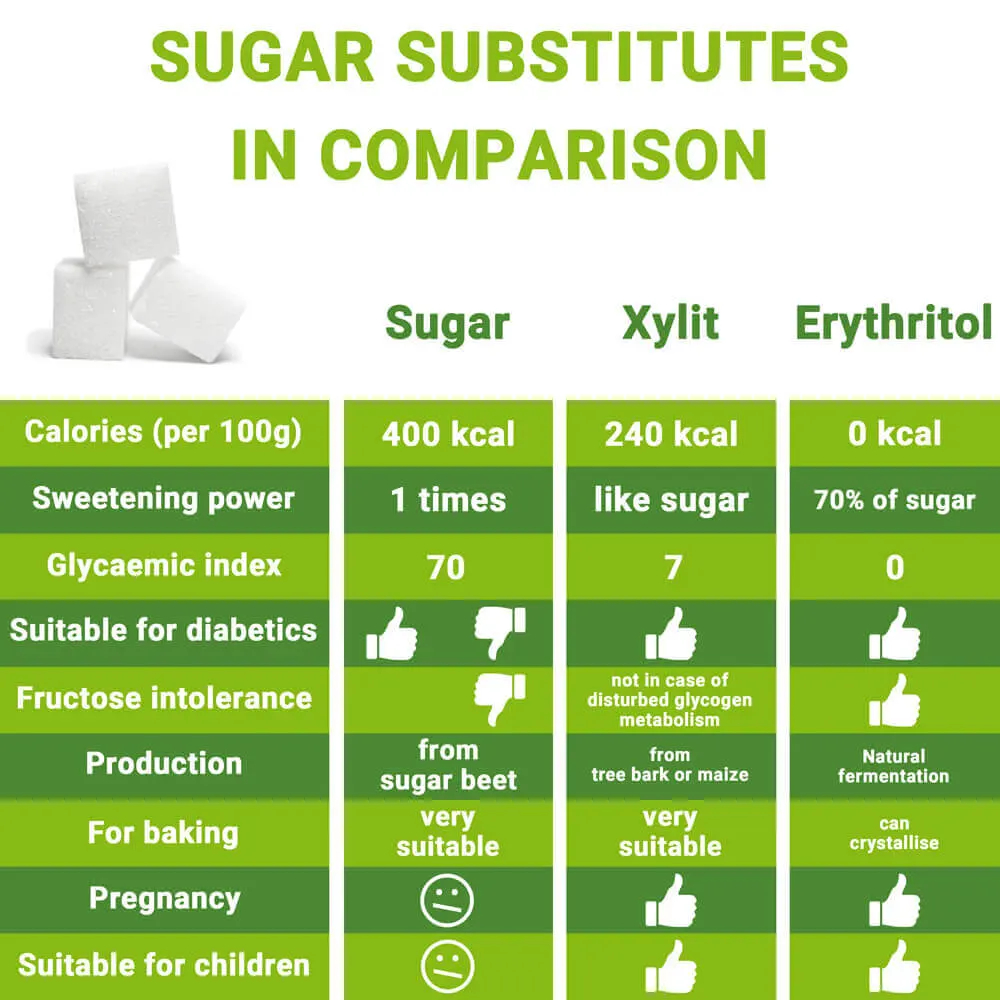
Both alternatives are suitable for those with diabetes and fructose intolerance, causing neither cravings nor tooth decay.
However, the key difference lies in their energy content: 100 grams of xylitol approximate around 240 calories, whereas Erythritol is calorie-free. Erythritol has a sweetening power of about 70% compared to sugar, while xylitol’s sweetening intensity closely matches that of sugar. Xylitol may cause a slight blood sugar level increase, unlike Erythritol, which does not. Erythritol is generally easy on digestion, whereas xylitol may cause minor digestive issues initially, requiring the body to adjust slowly.
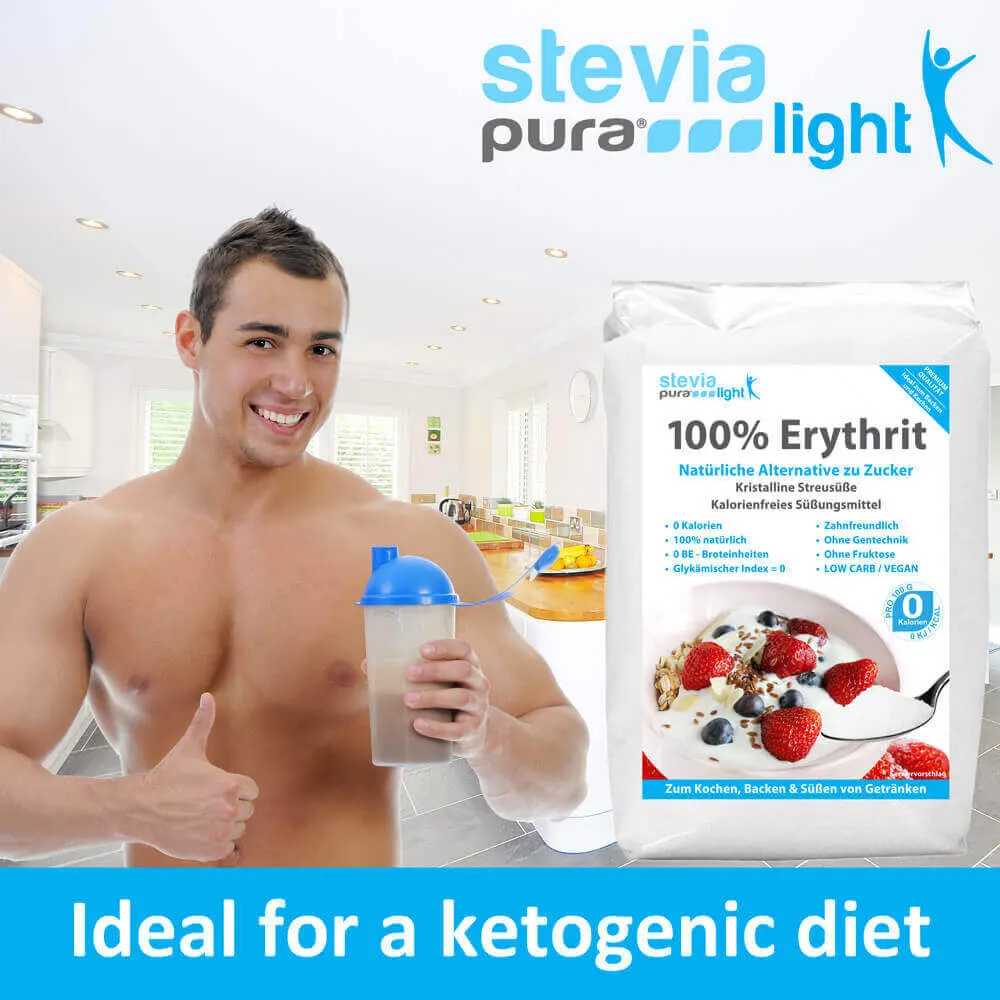
If adhering to a ketogenic diet and minimizing carbohydrate intake, Erythritol, with its fewer carbs, is a better choice. Both sugar alternatives are well-researched, making them excellent for diabetics and those on low-carb diets. However, keep both Erythritol and xylitol out of pets' reach as they are harmful.
Erythritol: The Calorie-Free Natural Sweetener
Erythritol’s significant advantage over sugar is its lack of calories. Approximately 90% of Erythritol is absorbed and excreted without providing energy, enhancing well-being without sacrificing sweetness. This makes the sweetener popular among those looking to reduce body weight — at roughly 0.2 calories per gram, Erythritol has about 20 times fewer calories compared to sugar, which has about 4 calories per gram.
This low-carbohydrate substitute is ideal for diabetics and the health-conscious, as Erythritol is easy to digest and does not affect blood sugar levels. Information on Erythritol's pharmaceutical significance can be found in the Deutsche Apotheker Zeitung.
Slow Digestible Carbohydrates in Erythritol
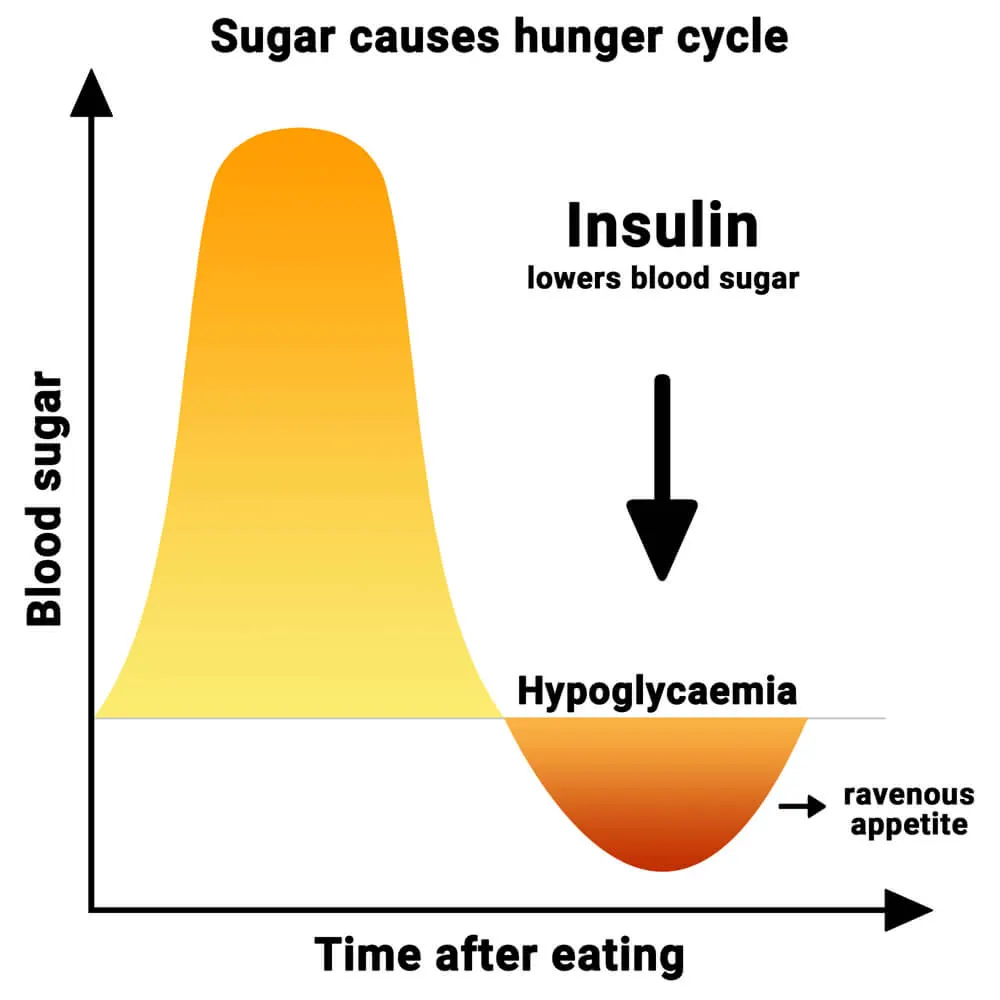
Erythritol leads to a slow rise in blood sugar levels due to its very slowly digestible carbohydrates, promoting prolonged satiety. In contrast, fast-digesting carbohydrates, such as in cola, chocolate, French fries, or sugar, cause rapid blood sugar spikes and a quick return of hunger.
Foods are classified by the glycaemic index to measure this effect. Erythritol, with a glycaemic index of 0, is particularly suitable for weight loss.
Suitable for Diabetics
Erythritol is beneficial for diabetics since the body’s enzymes break it down slowly, with no impact on blood glucose and insulin levels. Thus, Erythritol can serve as a natural insulin stabilizer for diabetic dietary needs.
Caries Prevention with Erythritol
Erythritol promotes dental health by preventing caries formation and periodontal infections. For instance, Streptococcus bacteria can attach to Erythritol but lose mobility, preventing them from adhering to teeth and multiplying, resulting in healthier teeth and better oral hygiene.
No Sugar, Genetic Engineering, or Palm Oil
Our products use no sugar, genetic engineering, or palm oil. Due to the absence of long-term safety studies on genetic engineering, we avoid genetically modified raw materials.
Additionally, palm oil is excluded from our products because its high demand leads to rainforest deforestation for palm oil plantations, impacting local communities and endangering wildlife like orangutans, tigers, and rhinoceroses.
What is Palm Oil?
With a 30% global market share, palm oil is the most produced vegetable oil, extracted from the fruit pulp of oil palms, making it a cheaper, highly productive oil compared to other sources.
Summary
This article introduced Erythritol as a sugar substitute, detailing its production, properties, and benefits over sugar, along with usage tips. Erythritol is a natural, calorie-free sweetener with no bitter aftertaste.
Where can you purchase Erythritol?
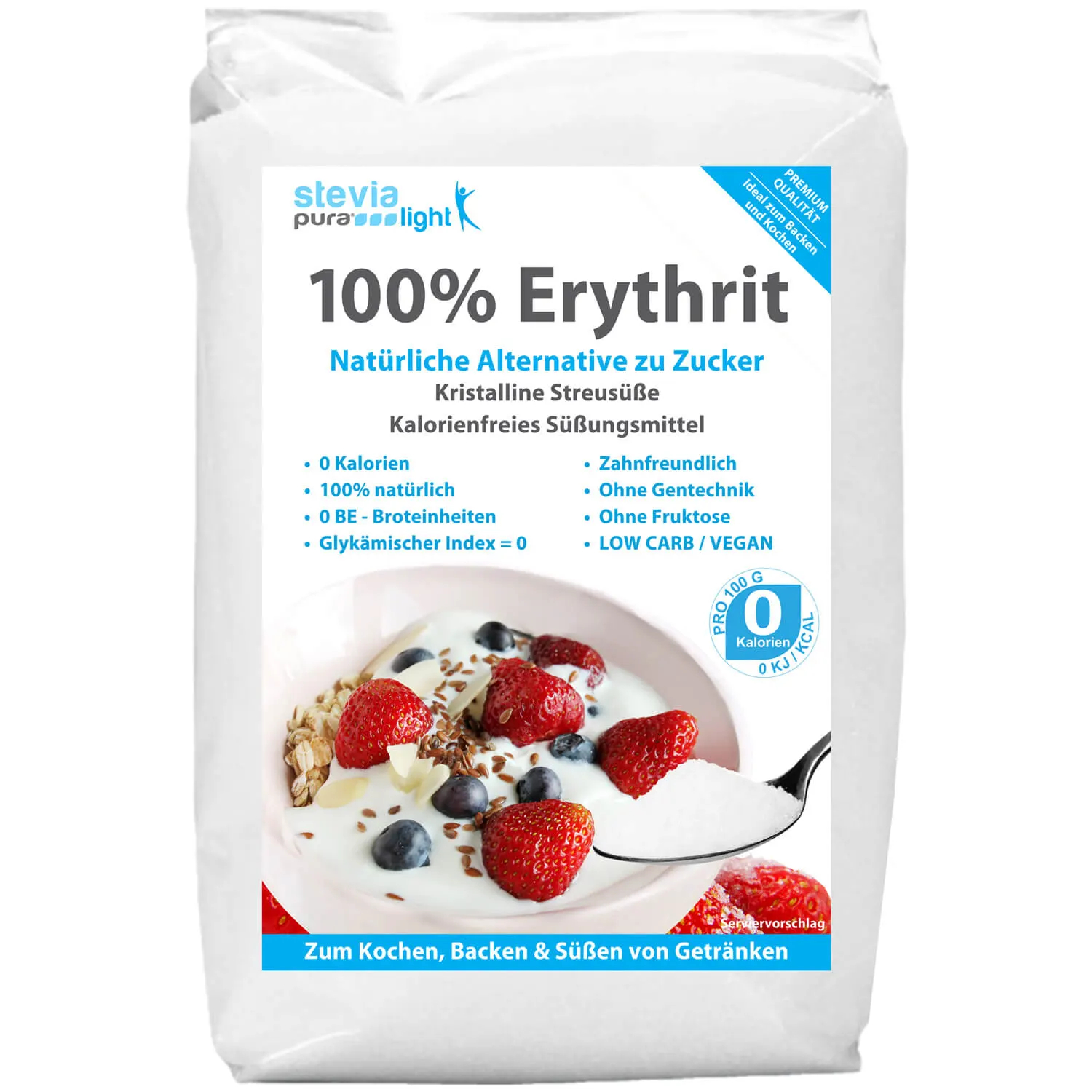
Erythritol can be purchased offline in pharmacies, health food stores, and supermarkets. While online shops often offer lower prices, it's important to pay attention to the origin and quality of the Erythritol!
Many cheap offers on platforms like eBay or Amazon often have origins in China or lack clear labeling. Therefore, when purchasing, ensure you check the origin and opt for Erythritol from European production. This way, you can acquire high-quality, 100% pure Erythritol with no additives and in a wide selection.