Cultivation, Production, and Processing of Stevia
The Stevia Plant from a Botanical Perspective
The scientific name of the stevia plant is Stevia rebaudiana Bertoni. It belongs to the Asteraceae family, just like sunflowers. The plant prefers warm, sunny locations with plenty of rain and can grow perennially in frost-free areas.
Reproduction usually occurs through cuttings, plants from in vitro culture, or seeds.
Cultivation of Stevia
The main cultivation areas for stevia are Brazil, China, Paraguay, and the United States. Due to high demand, stevia is increasingly being cultivated in other countries.
In Europe, Portugal and Spain are at the forefront of stevia breeding and processing. There, the plant is grown in small agricultural cooperatives.
Since stevia thrives exceptionally well in Mediterranean climates, several Southern European countries have focused on its cultivation.
Japan is one of the largest importers of stevia worldwide. The island nation imports about one-third of its consumption. The demand for stevia in the EU and the USA has increased significantly, especially since Coca-Cola patented 24 stevia-based sweeteners.
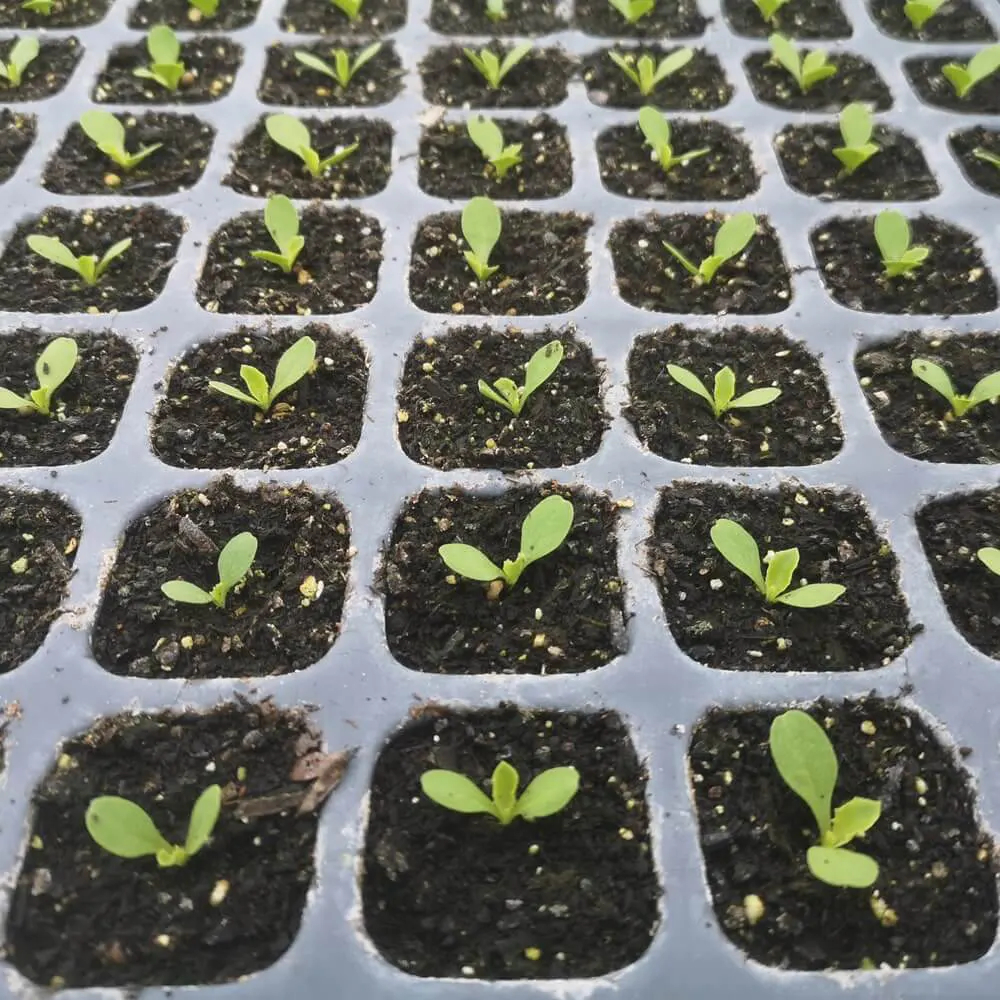
Individually planted stevia seedlings in pots
Unlike large-scale agricultural products like corn and grain, stevia is often grown on smaller plots, promoting biodiversity. This allows farmers to earn additional income alongside the conventional cultivation of mass products.
Growing stevia offers numerous advantages for farmers, as the plant requires little water and can be harvested multiple times a year under optimal growing conditions.
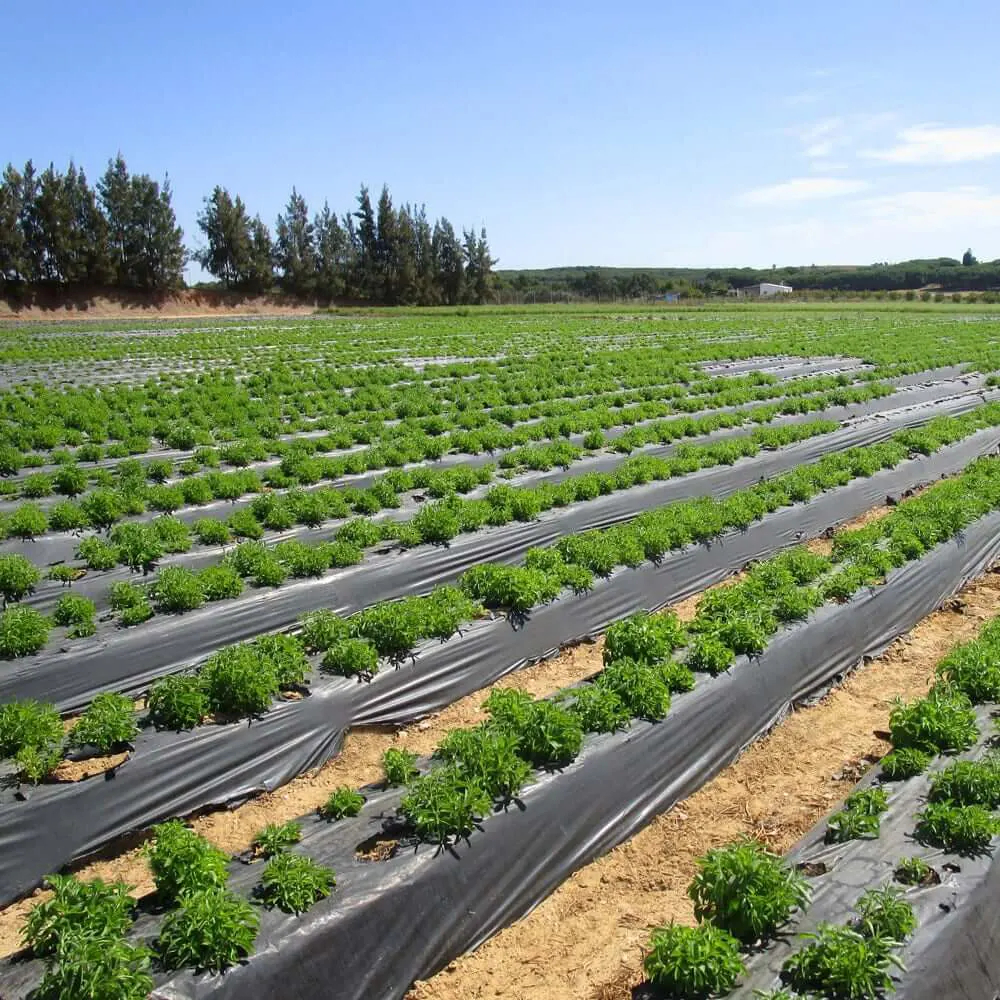
Field with young stevia crops
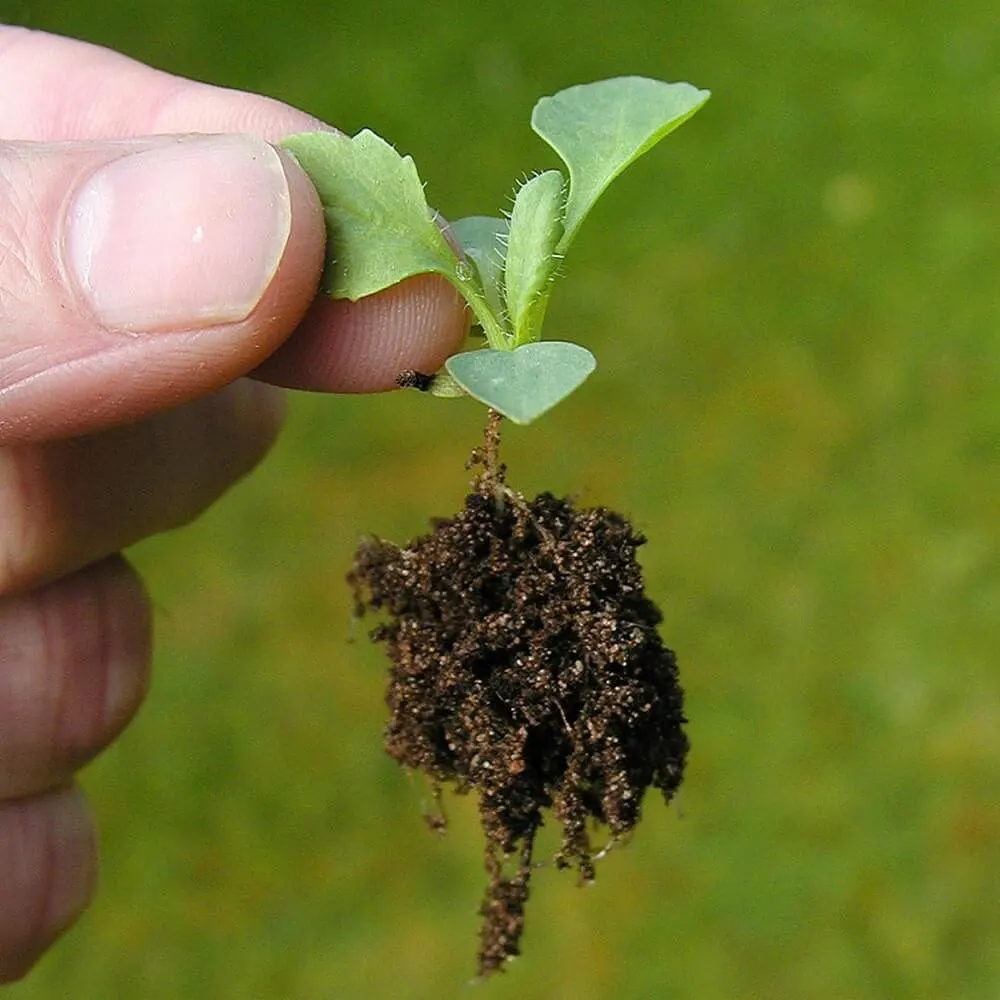
A young stevia shoot
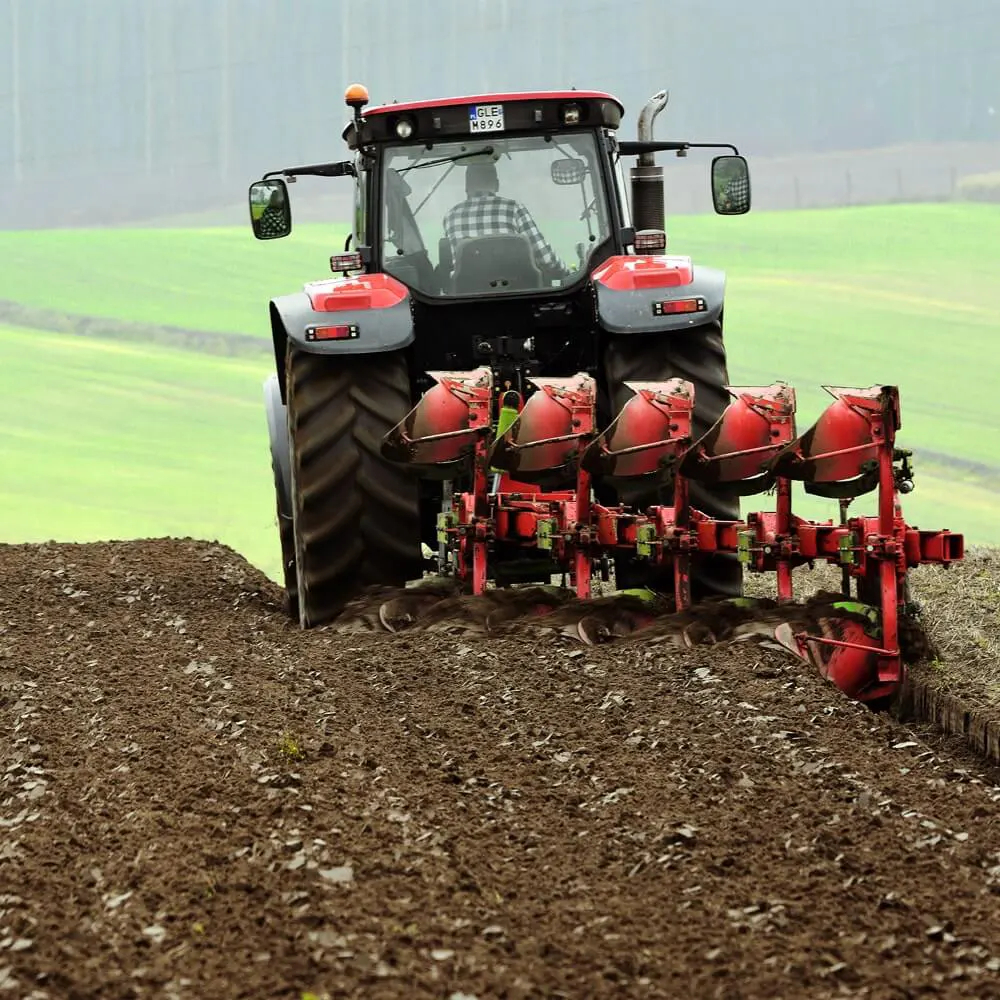
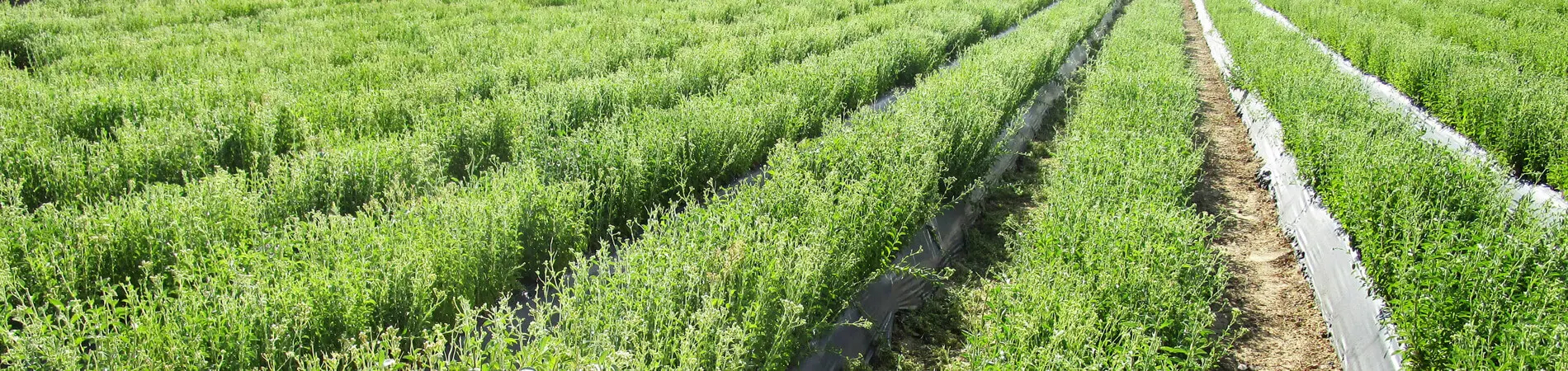
Stevia farming in Portugal and Spain
The production of stevia
In production, a distinction is made between industrial and traditional methods. The traditional method involves drying and crushing the leaves. The resulting powder is used to create various products such as powder extracts, tabletop sweeteners, and liquid solutions.
In the industrial process, steviol glycosides, steviosides, and rebaudiosides are extracted from the stevia leaves in a manner similar to that used for sugar beets. Modern distillation and extraction technologies are employed in this process.
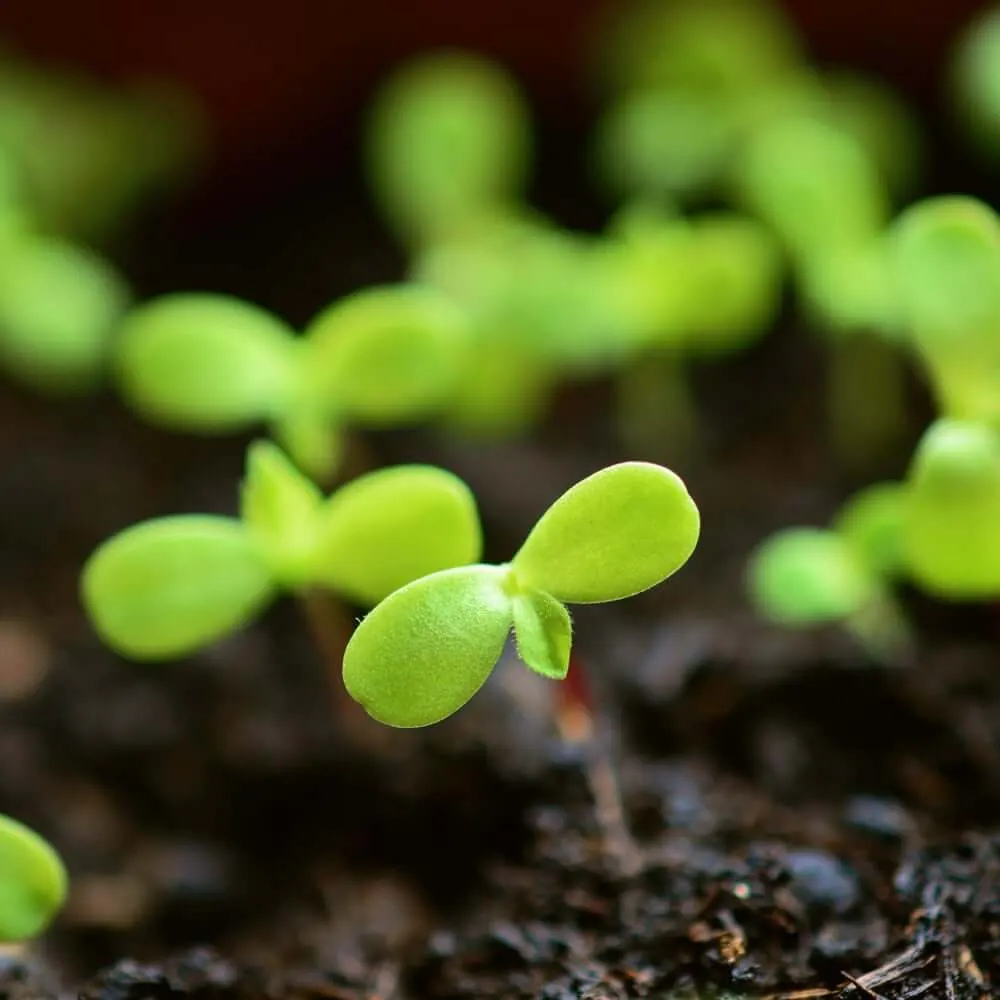
Seedlings of the Stevia rebaudiana plant
Is the extraction of stevia environmentally friendly?
The leading sweetener manufacturers are located in Japan, China, South America, and the USA. In the past, organic solvents were often used for the extraction and processing of steviosides. Nowadays, more modern methods are employed.
Instead of relying on chemical extraction methods, producers of high-quality food products increasingly use raw materials obtained through physical extraction processes with CO2, ultrasound, or water.
The advantage of ultrasound and CO2 extraction methods is that they are gentle, antibacterial, efficient, and do not require heating. Ultrasound extraction is used in the food, dietary supplement, and pharmaceutical industries to gently extract bioactive compounds from plants, such as vitamins, polyphenols, polysaccharides, cannabinoids, and other phytochemicals.
In Latin America, traditional processing was done without distillation or purification facilities. There, stevia was processed into extracts, powders, liquid preparations, or used as medicine. The leaves were simply dried or pulverized.