How to Find a High-Quality Stevia Product
Stevia originates from South America and is used as a popular sugar substitute. Increasingly, people are discovering this health-conscious alternative to traditional sugar, which can sweeten not only coffee and desserts but life in general. Here we provide an in-depth overview of Stevia: Is it really as beneficial as claimed, or are there health risks?
Comparison of Stevia and Sugar
Considering the health benefits, it is worthwhile for everyone to reconsider their sugar intake and to consider replacing sugar with healthier options. Often, the results are convincing, as coffee and other foods still taste great without industrially produced sugar!
What is Stevia?
Stevia, scientifically known as "Stevia rebaudiana," is also referred to as "sweet herb," "honey herb," or "sweet leaf." This plant originally hails from the rainforests of South America.
The indigenous peoples of Paraguay and Brazil have been using Stevia for thousands of years, not only as a sweetener. It is also believed that the herb was used for medicinal purposes, such as treating diabetes and obesity.
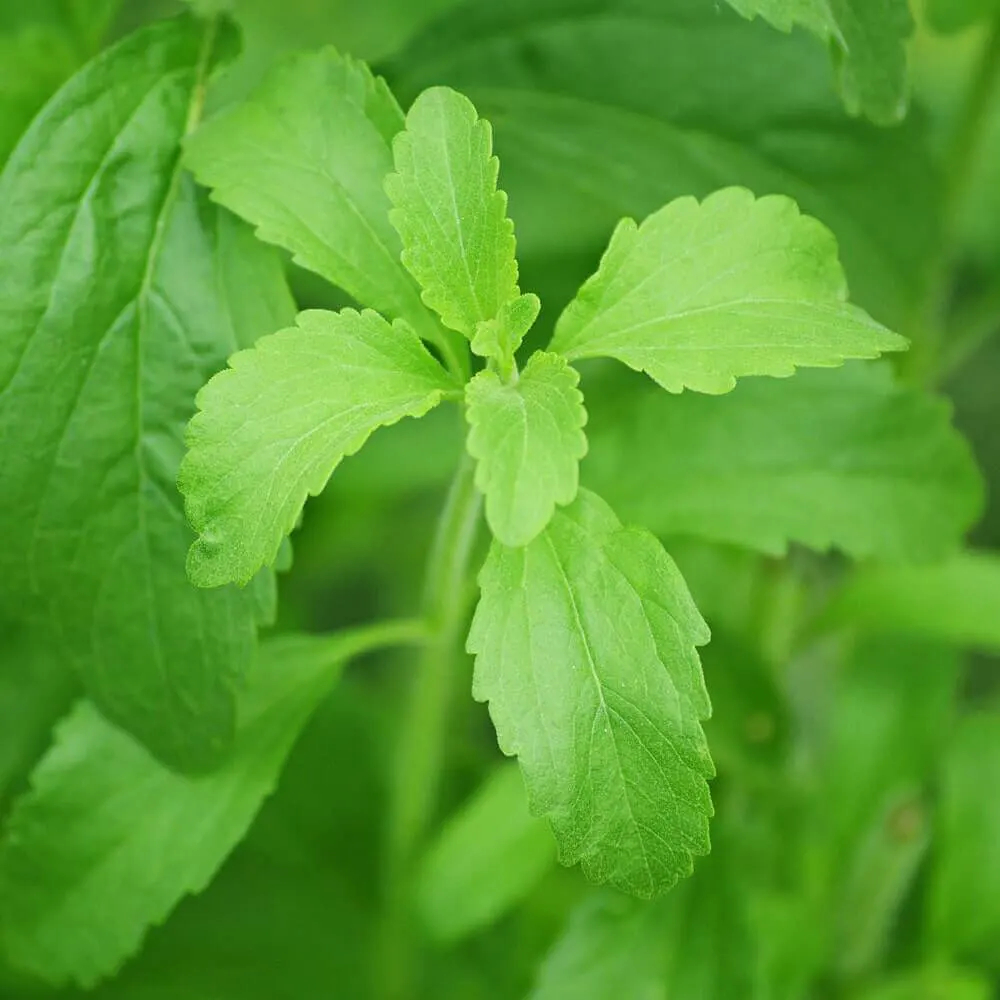
Today, Stevia is cultivated worldwide, wherever the climatic conditions are suitable. In addition to Brazil and Paraguay, Stevia is also grown in countries such as China, Kenya, the USA, and across Europe.
The name "sweet herb" is fitting because the leaves of the Stevia plant contain compounds called steviol glycosides. These multi-atomic sugar alcohols, responsible for natural sweetness, bind to receptors in our mouth that transmit "sweetness" signals due to their chemical properties.
In the 1970s, Stevia was first approved as a sweetener in Japan. This was followed by approvals in Australia, New Zealand, and the USA in 2008, and in 2011, Stevia received approval in Europe by the European Food Safety Authority (EFSA) with a maximum intake of 4 mg per kilogram of body weight.
Advantages and Disadvantages of the Natural Sweetener Stevia
Stevia as a sweetener has numerous users and is gaining popularity. However, there are some individuals who remain skeptical about the product. Is Stevia truly a sustainable and healthy sugar substitute? What are the pros and cons of this sweetener?
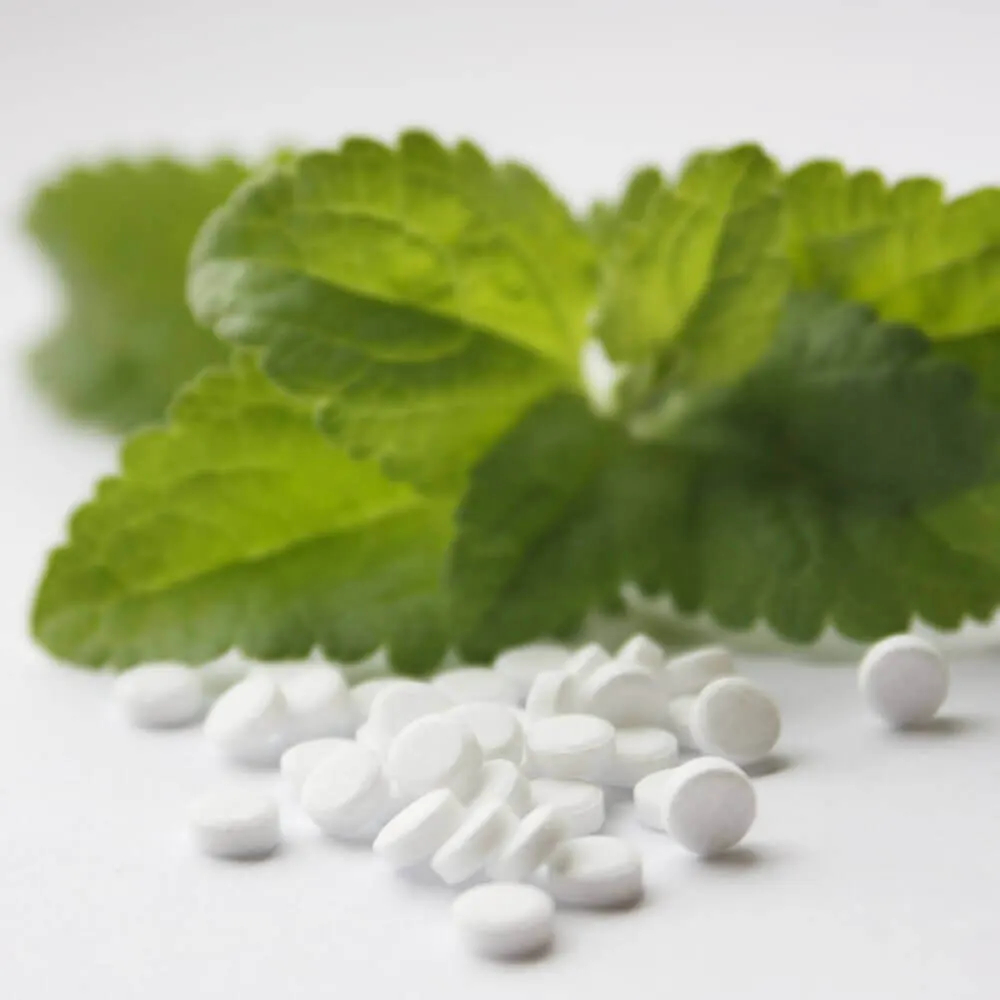
Even natural sweeteners have their downsides. Stevia products can also have some disadvantages, often related to the quality of the extracts used.
Possible disadvantages of Stevia:
· Excessive consumption can affect one's natural perception of sweetness
· Quality and taste of Stevia products and extracts can vary significantly
· A slightly bitter aftertaste is possible with lower-quality products
In summary, Stevia has both advantages and disadvantages. These disadvantages are usually associated with product quality and individual taste perception.
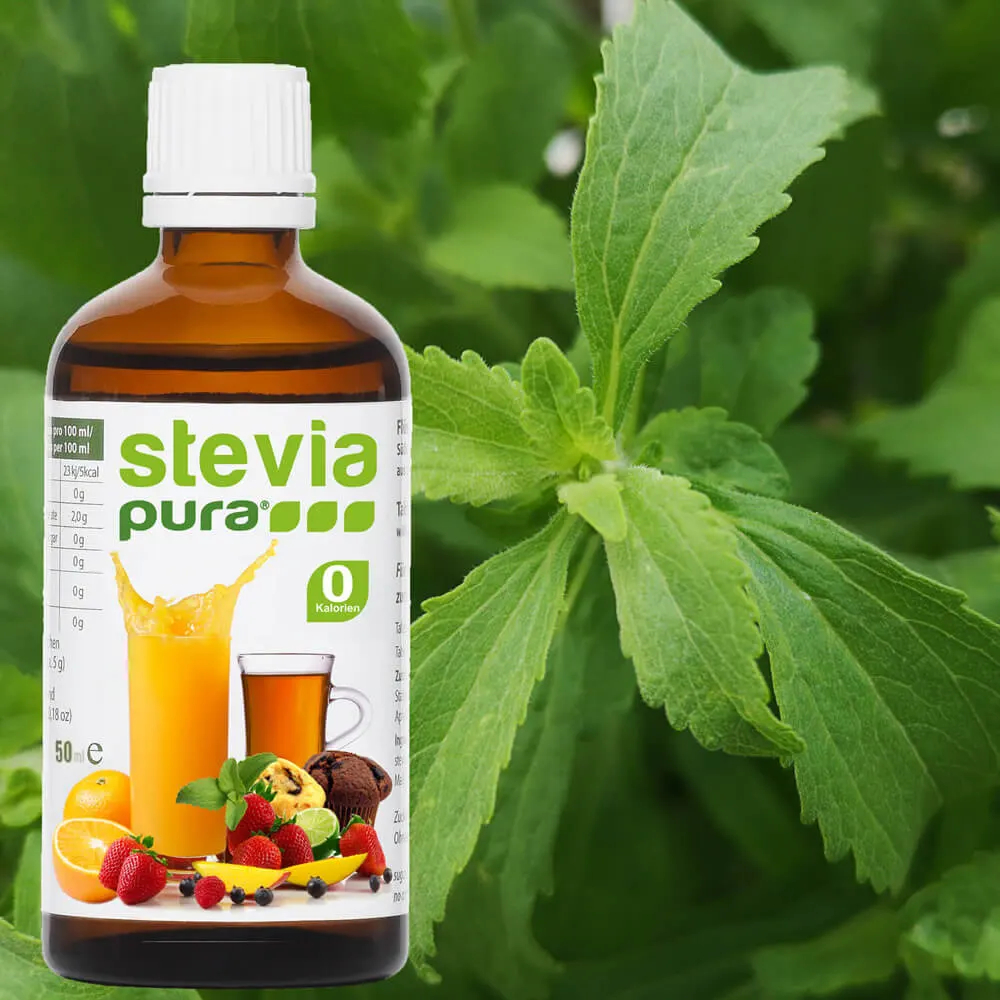
How to Recognize a High-Quality Stevia Product and Sweetener
Stevia is found in numerous products, including beer, fruit juices, yogurt, jam, sauces, chocolate, and confectionery. As a consumer, it is often challenging to assess the quality of the Stevia used in processed foods.
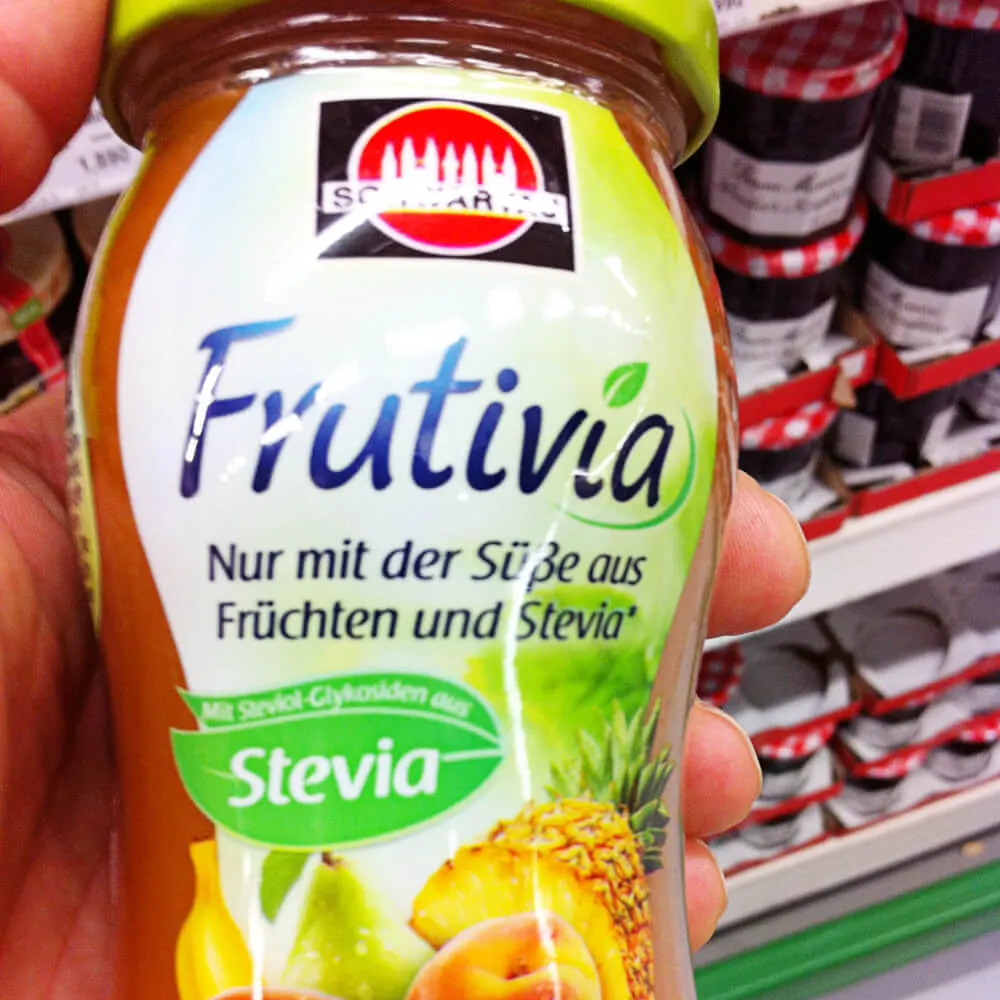
If you wish to purchase pure Stevia extract as a sweetener, this is naturally a simpler choice. A high-quality Stevia product can be recognized by the following characteristics:
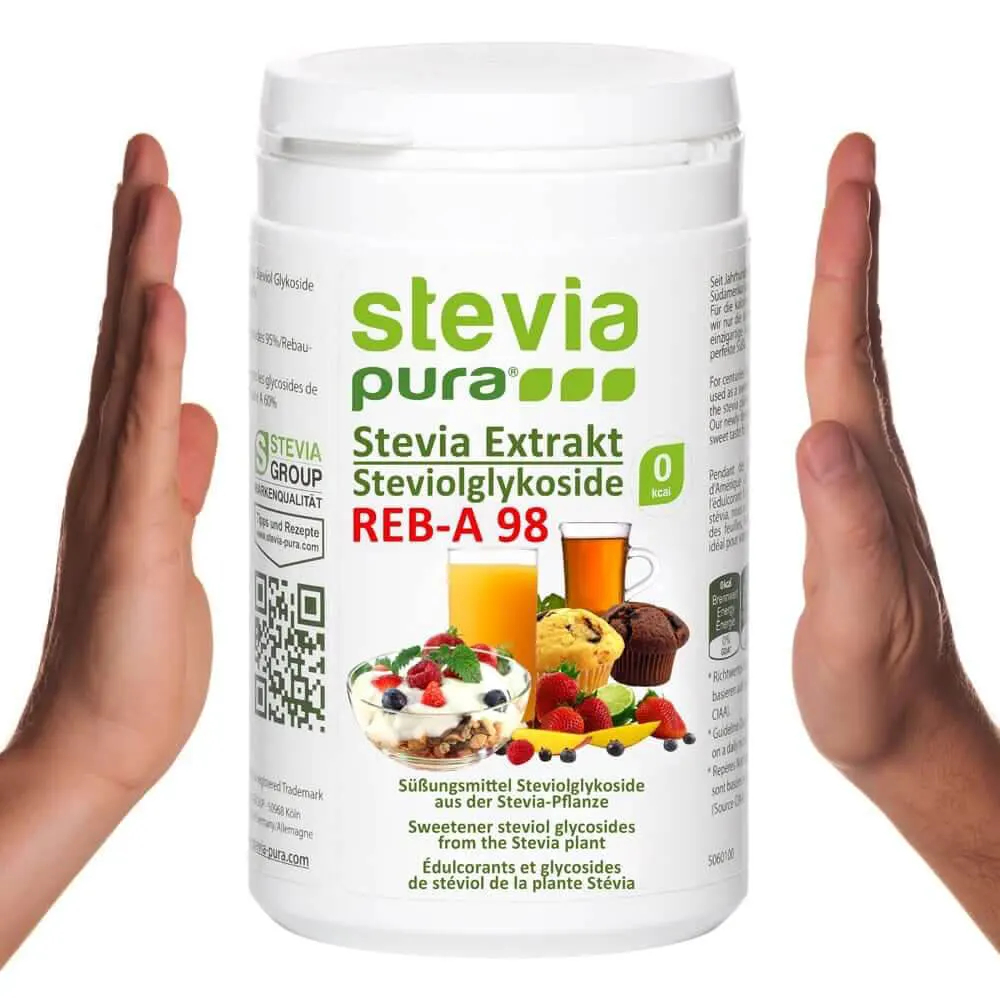
The purity level is crucial for Stevia. It should contain at least 95% steviol glycosides. Especially beneficial for taste is Rebaudioside-A. Ensure that it has a content between 60% and 98%.
Premium Stevia Extract: Rebaudioside-A 98%
The Natural Sweetener Stevia
There are few natural sweetener alternatives without known long-term damage, and Stevia is one of them. It is derived from the plant of the same name, originally from South America.
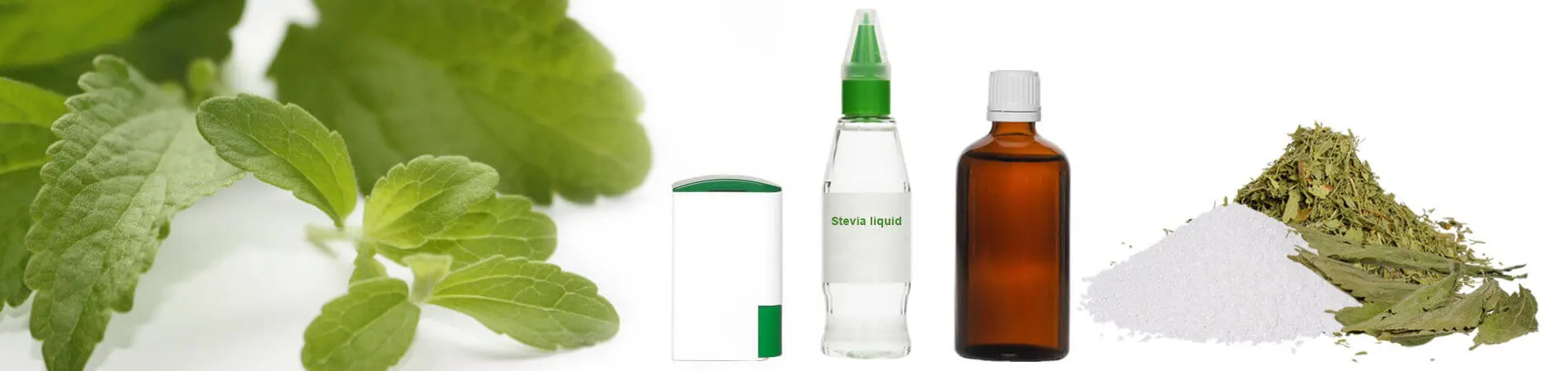
Stevia is sold in various forms, such as liquid sweetener, powder, and sweetener tablets. Additionally, Stevia is found in numerous processed products like jam, ketchup, candies, chocolate, or cola. Like other sweeteners, Stevia has a unique taste.
If you wish to use Stevia as a sweetener, you should pay attention to the product's high quality. Purity is an important indicator; the steviol glycosides content should be at least 95%. High-quality Stevia products contain Rebaudioside-A in concentrations of 60% to 98%. These products offer the best taste and, when properly dosed, are not bitter.
The Stevia products available on the market vary significantly in their quality. This quality is crucial for the taste and effectiveness of the sweetener. Therefore, be sure to pay close attention to the quality when purchasing Stevia products. Prioritize quality over quantity in your buying decision.
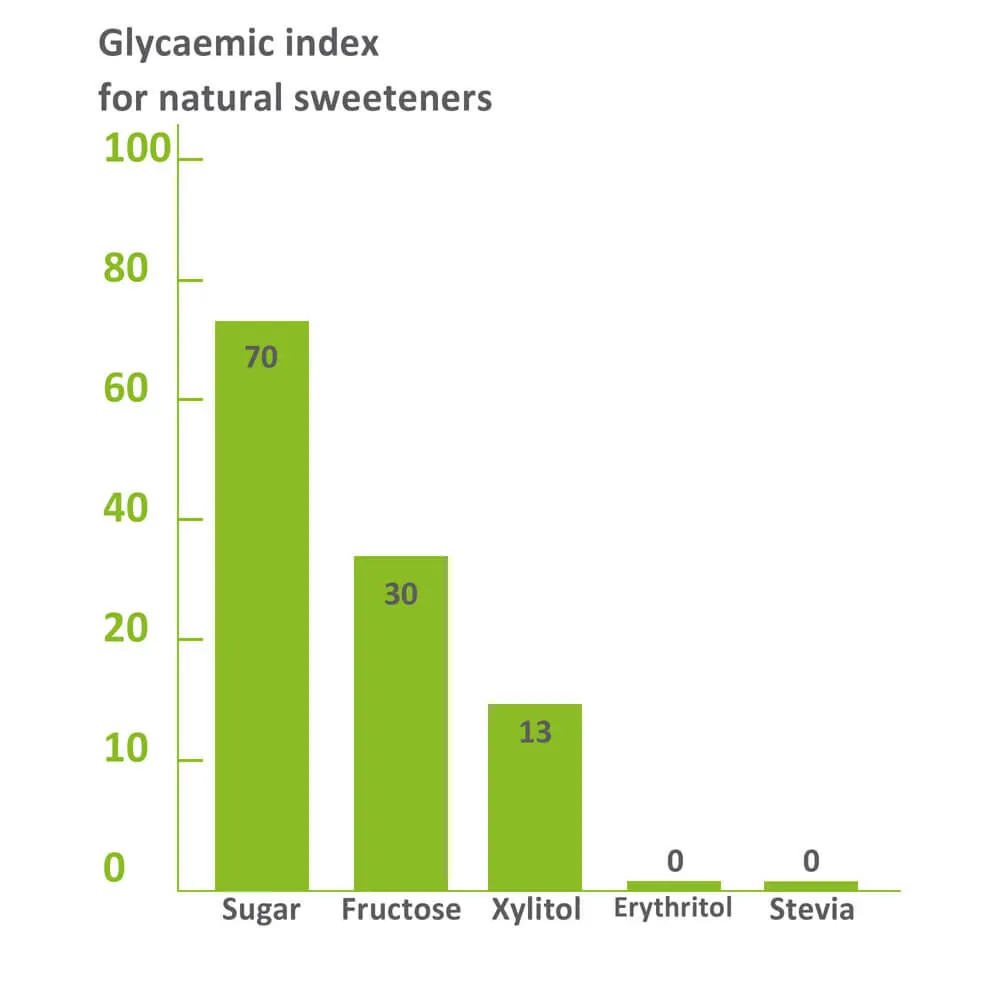
Benefits of Stevia:
· Natural sweetener
· Up to 450 times sweeter than regular sugar
· Can prevent hunger cravings | US National Library of Medicine National Institutes of Health
· Calorie-free
· Antibacterial effect against Lyme disease pathogens | European Journal of Microbiology and Immunology
· No impact on blood sugar levels | MNT
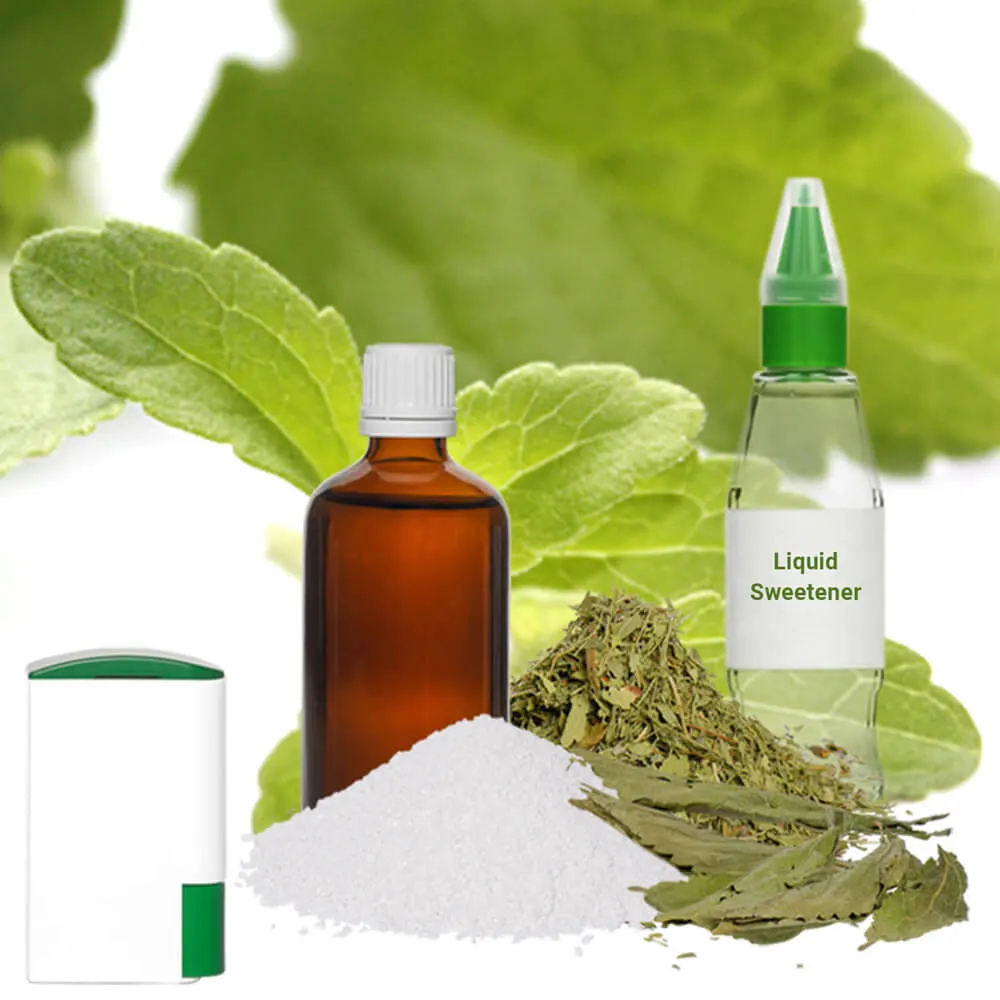
The fewer additives Stevia products contain, the higher their quality.
If you want to save calories, avoid Stevia powder from the supermarket, as it is often mixed with maltodextrin or sucralose to ease dosing. Dosing is simpler with Stevia sweetener tablets and liquid Stevia. Pure Stevia powder (Stevia extract without additives) offers excellent value for money due to its high sweetness and efficiency.
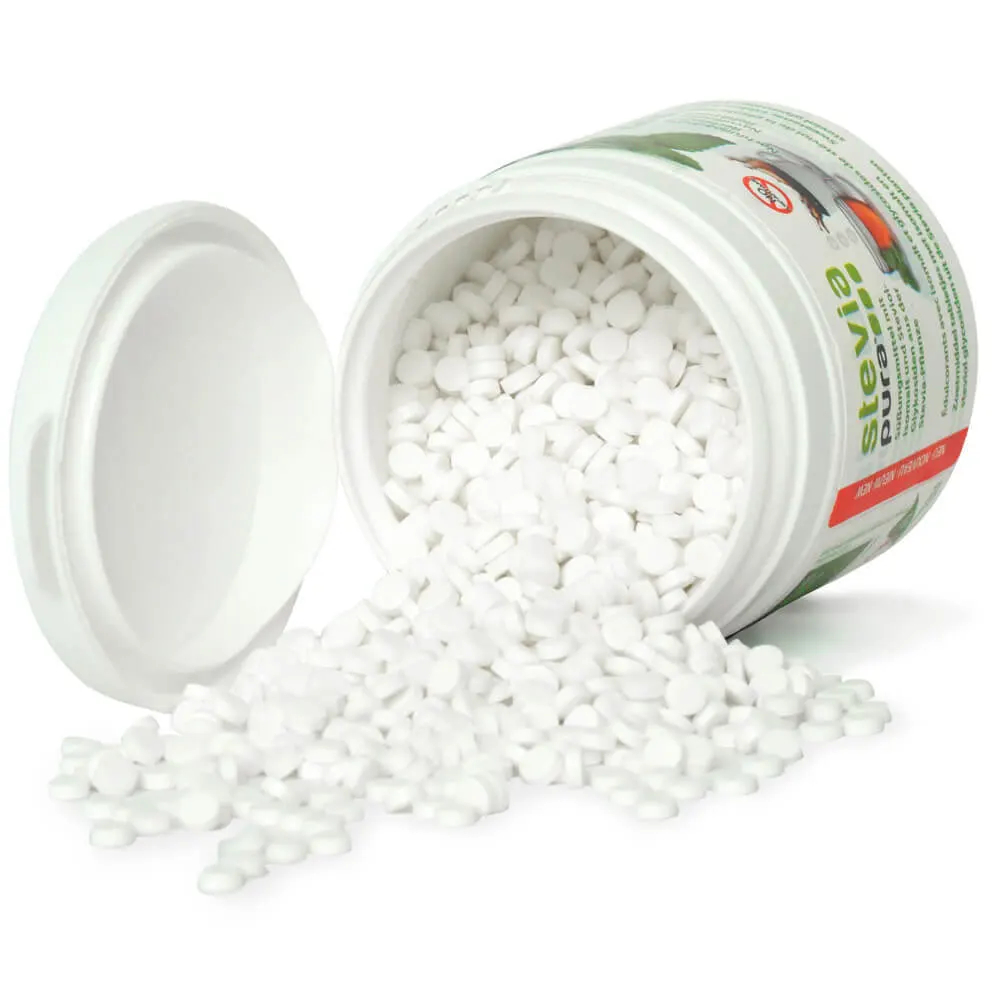
Easy dosing of Stevia tablets for beverages: Stevia is up to 450 times sweeter than table sugar! Carrier substances are required in Stevia tablets to prevent over-sweetening. Therefore, Stevia tablets are very suitable and convenient for on-the-go use.
An unpleasant taste can result from either overdosing or using low-quality Stevia raw materials.

Which Sweetener is Best for Coffee?
If you're wondering which sugar substitute can replace sugar in your coffee, you'll encounter a multitude of opinions. However, experience shows that only a few sweeteners truly complement the various flavors of coffee. These include sugar substitutes like erythritol and Stevia. Ultimately, it comes down to personal preference and deciding whether taste alone should matter or if you also want to consider calorie reduction.
Did you know that coffee itself contains almost no calories, as long as you pay attention to a few basic preparation principles?
Stevia: A Suitable Sugar Substitute for Coffee
Stevia has become widely popular as a sugar substitute for coffee. This is certainly positive, as it is a 100% natural sweetener. Let's take a closer look at this natural alternative to white table sugar.

Stevia as a Sweetener for Coffee
Unlike many other sweeteners, Stevia gives coffee a pleasantly sweet note. Many coffee drinkers prefer their coffee at least slightly sweetened. If you want to do this in a healthier way, it's better to avoid conventional sugar and choose a healthier alternative like Stevia.
Among the various available sweeteners and sugar substitutes, Stevia is one of the most popular and healthiest options. Consumed in moderate amounts, it offers a pleasant sweetness. Stevia helps stabilize blood sugar levels and does not cause hunger cravings.
Honey is another good sugar substitute that has been used in various ways for thousands of years. Unfortunately, honey does not pair as well with coffee in terms of taste. However, honey is an excellent sugar substitute in everyday life, such as in baking, mueslis, or desserts. To ensure both sustainability and health, as with all other products, the rule for honey is: quality over quantity!

Stevia Sweetener Tablets for Coffee
Stevia sweetener tablets are available in stores with various ingredients and qualities, resulting in different tastes depending on the manufacturer. Pay close attention to the ingredient list when purchasing! Many Stevia tablets contain fillers like milk sugar (lactose), dextrose, sorbitol, and additional flavors. Vanilla flavoring is often used to mask the lower quality of Stevia extract.
Claims such as "97% Stevia" are generally misleading. The production of Stevia tablets requires auxiliary substances like fillers to enable the compression of the mass. Additionally, binders are necessary to ensure the tablet's firmness, and disintegrants help the tablets dissolve quickly.
Stevia sweetener tablets are offered in practical dispensers, which can be eco-friendly and cost-effectively refilled with refill packs. The tablets are excellent for sweetening both hot and cold drinks. The trusted tablet form allows for easy dosing, so you can always sweeten your beverages exactly to your taste.
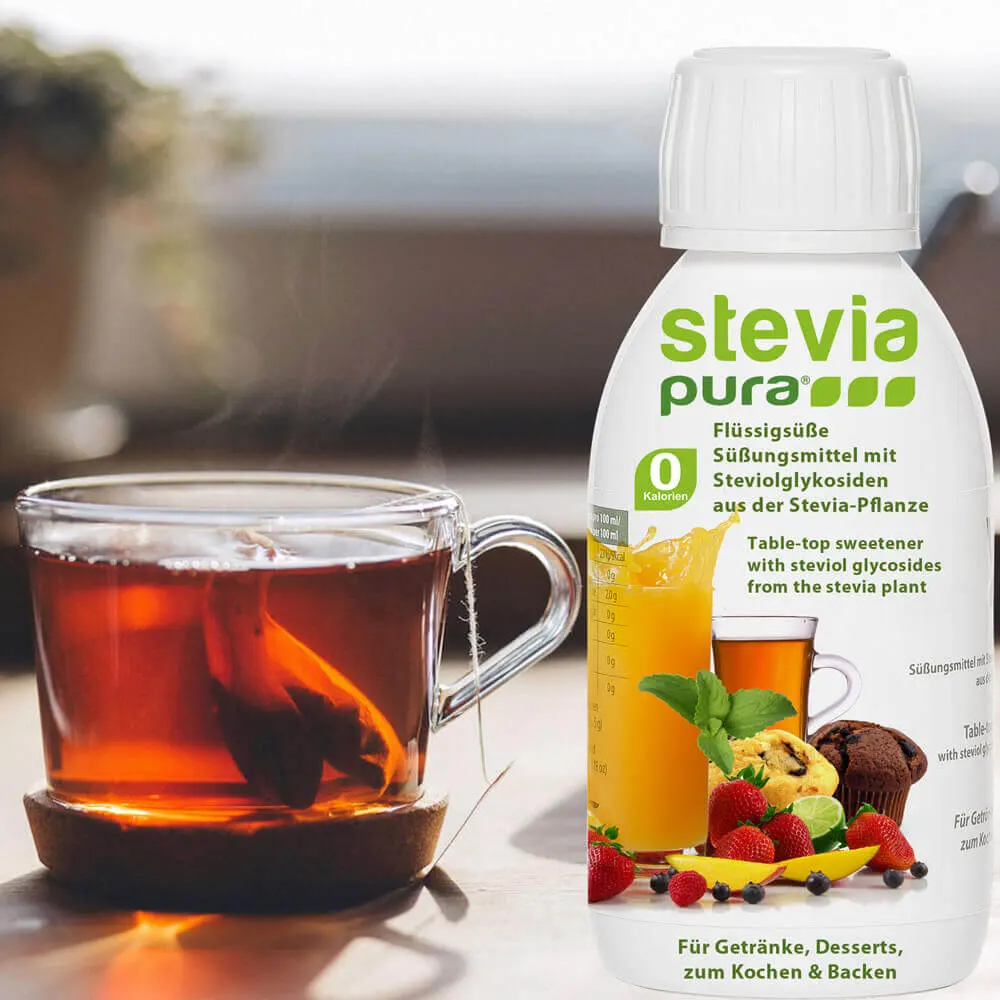
Versatile Use of Liquid Stevia
Liquid Stevia is particularly versatile and is excellent for sweetening yogurt, muesli, desserts, and smoothies. The liquid sweetener is easy to dose from the bottle. However, it is important to check the back of the label for supermarket products.
Often, liquid sweeteners contain additives like fructose, sucralose, dextrose, or other artificial sweeteners. A glance at the ingredient list will provide clarity about the contents!
As with most products, sustainability also plays an important with Stevia, which can often be difficult for consumers to identify. The cheaper the mass-produced product, the less likely it is to be sustainable.
Organic and Fair Trade labels on Stevia leaves are indicators of sustainable cultivation and fair trade practices. These labels are well-known from coffee and tea, but they are also relevant for Stevia. For pure Stevia extracts, the following applies: In the EU, there is no organic certification except for Stevia leaves.