What is Stevia?
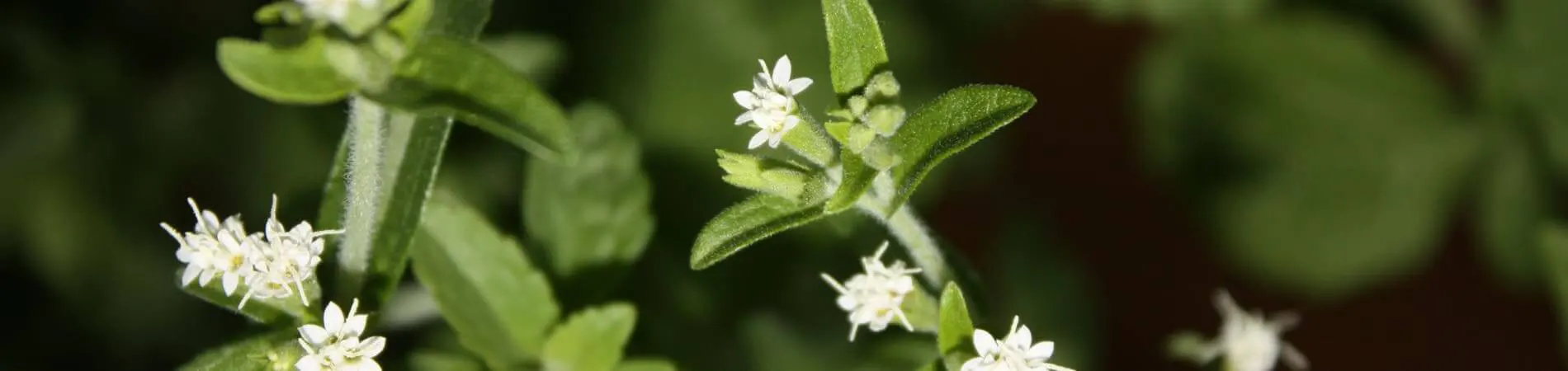
Stevia originates from Paraguay and Brazil. Stevia rebaudiana is a plant species in the genus Stevia, within the Asteraceae family.
The Swiss botanist Moisés Santiago Bertoni (1857-1929) discovered the Stevia plant in 1887 and shared his knowledge about it worldwide.
In South America, the Stevia plant has been used for centuries both as a sweetener and as a medicinal remedy.
The plant, which originally comes from South America, is also known there as "honey herb" (Caá-jeé) or "sweet herb" (kaá heé) and has the Latin name Stevia rebaudiana Bertoni.
Both the sweetener derived from the Stevia plant and the plant itself are colloquially referred to as Stevia.
Where does Stevia's sweetness come from?
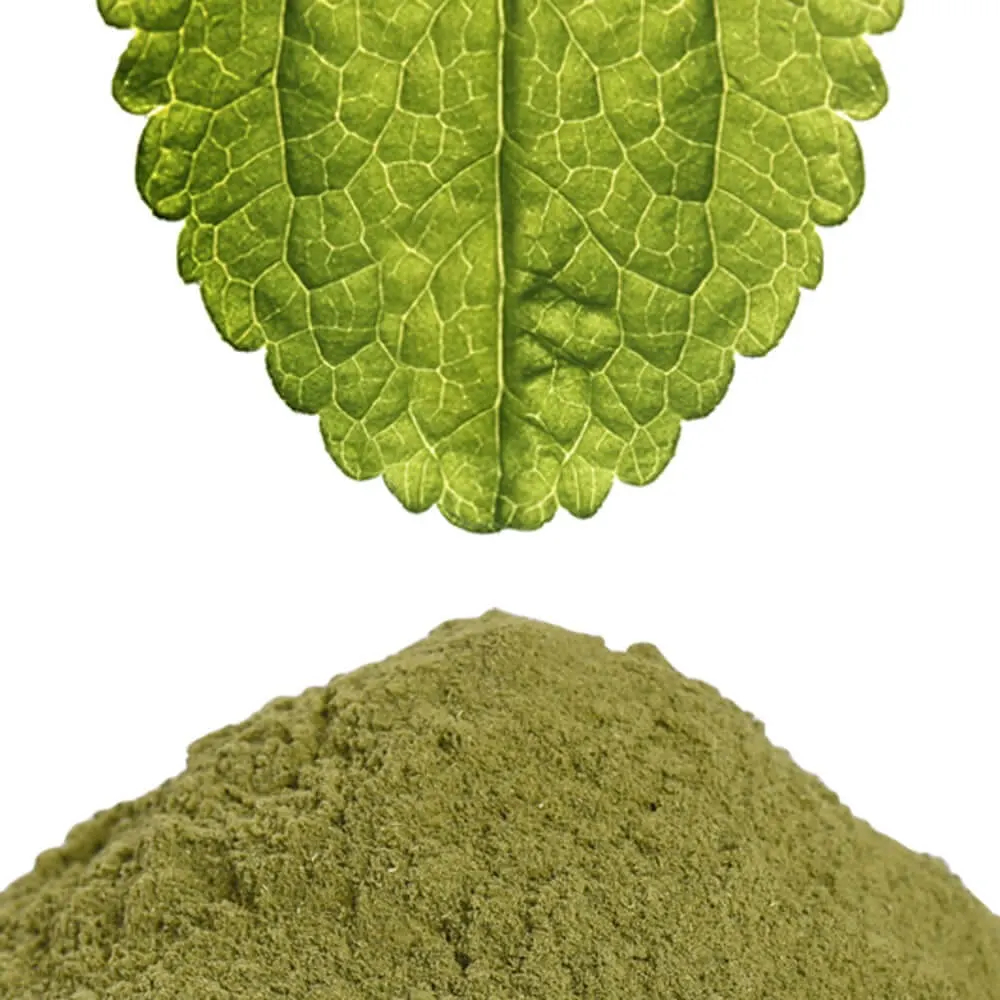
The leaves of the Stevia plant are naturally sweet, and their components are used as a natural sweetener.
The leaves contain highly sweet substances known as steviol glycosides, steviosides, and rebaudioside A. Especially, rebaudioside A has a remarkable sweetness and is used as a calorie-free sweetener in foods and beverages.
Compared to sugar, Stevia has the advantage of not causing tooth decay, being calorie-free, and thus being suitable for diabetics.
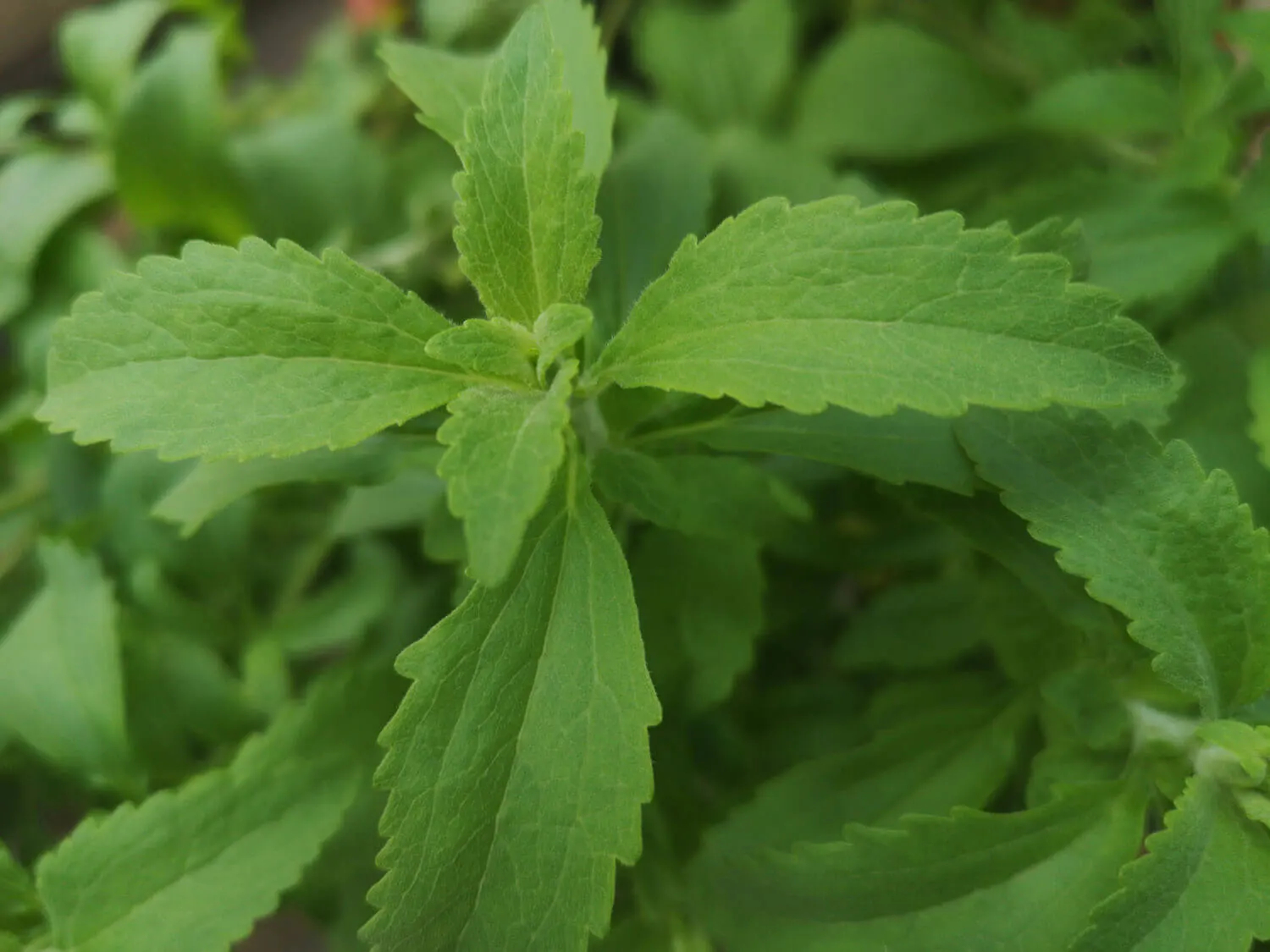
The leaves of the Stevia plant
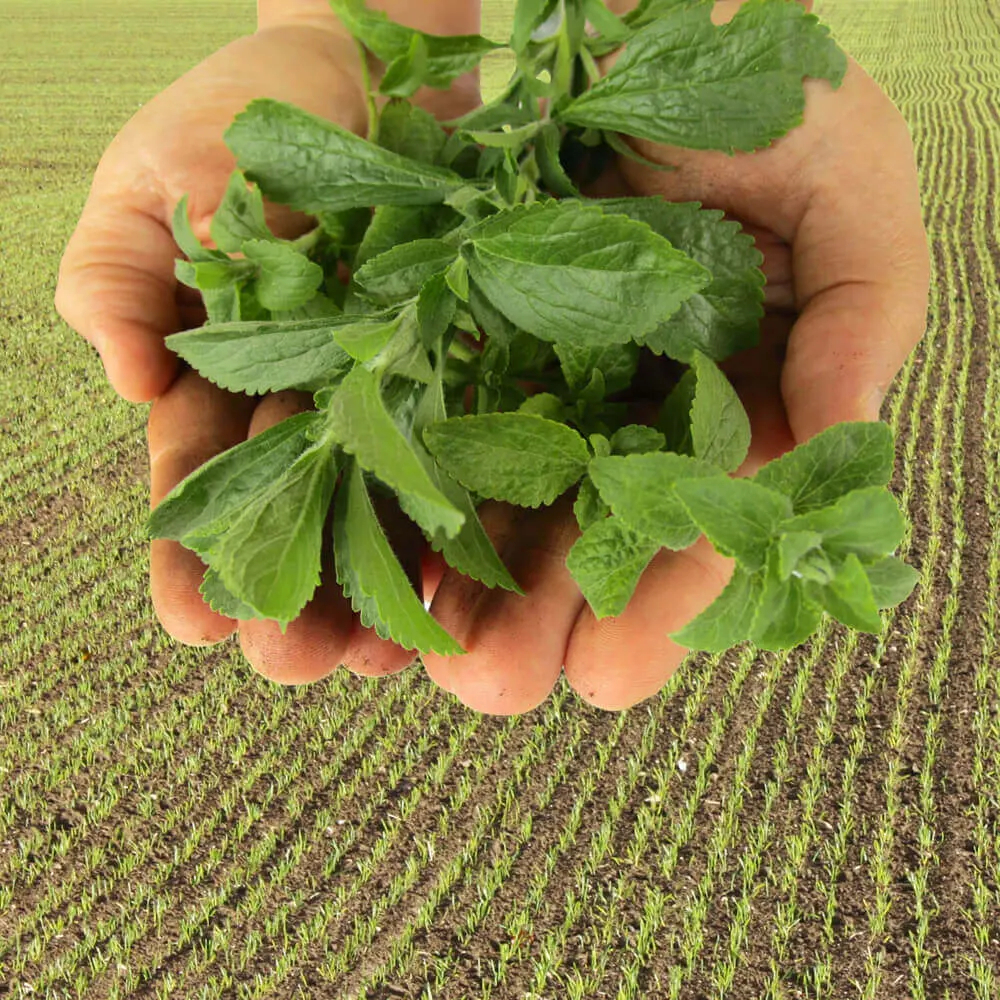
Worldwide, more and more consumers are turning to Stevia.
In November 2011, the European Commission permitted the use of steviol glycosides, which mainly consist of stevioside, as a food additive.
As early as April 2010, the European Food Safety Authority published a positive assessment regarding the safety of steviol glycosides.
The approval of Stevia was preceded by a joint application from Morita Kagaku Kogyo Co. (Japan), Cargill Incorporated (USA), and the European Stevia Association EUSTAS in Belgium/Spain.
Over the last three decades, Stevia has been increasingly studied scientifically around the world. It has been found that preparations made from Stevia leaves have strong antioxidant properties.
Stevia is being used more and more in toothpastes because it inhibits the formation of cavities.
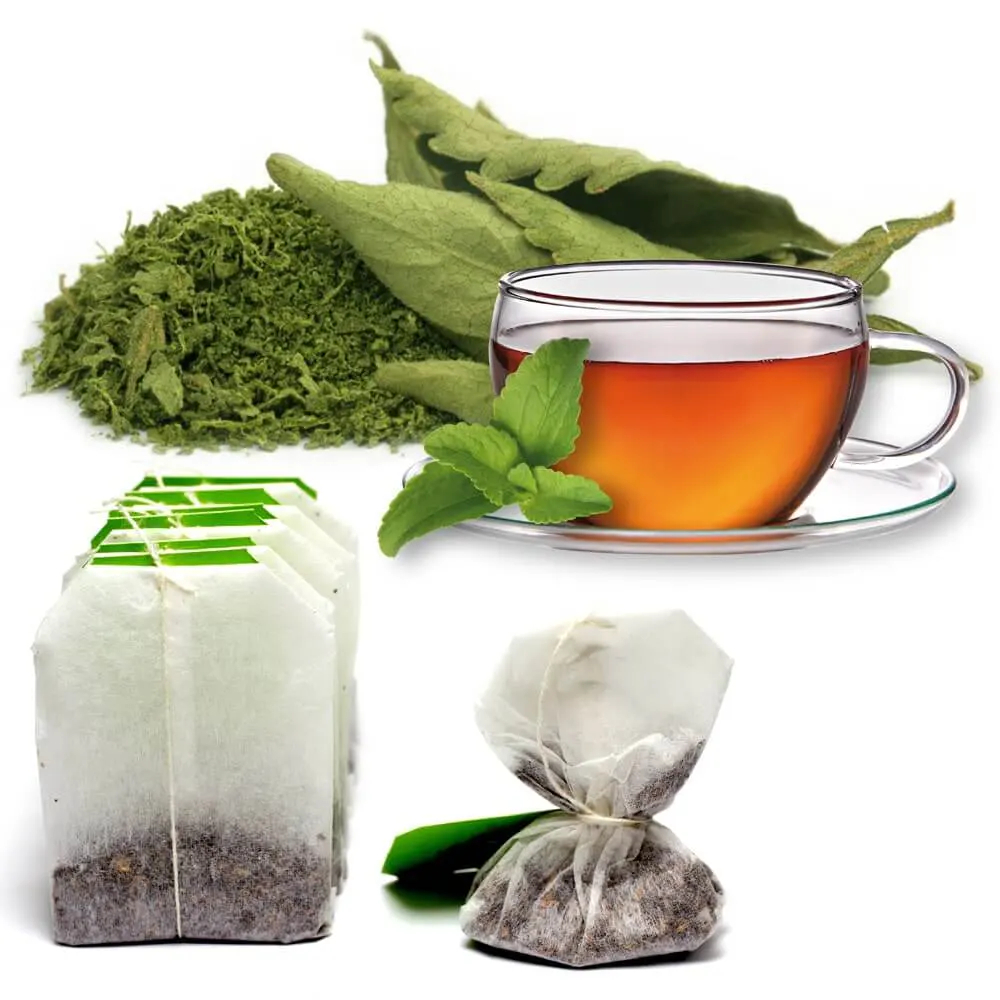
Stevia, the natural sweetener
In Japan, consumers have been using the sugar substitute Stevia since 1971, thereby avoiding artificial sweeteners in their health-conscious diets.
Since then, Stevia has become the healthy, calorie-free sugar substitute in Japanese cuisine, as well as in tea houses and restaurants, and is an integral part of Japanese culture. In the USA, Europe, and many other countries, consumers
Worldwide, more and more people are using Stevia as a sweetener to reduce their sugar intake and eat healthier.