What is apple pectin? What is pectin?
Pectin, a soluble dietary fiber, is extracted from fruit and is a natural component of every plant.
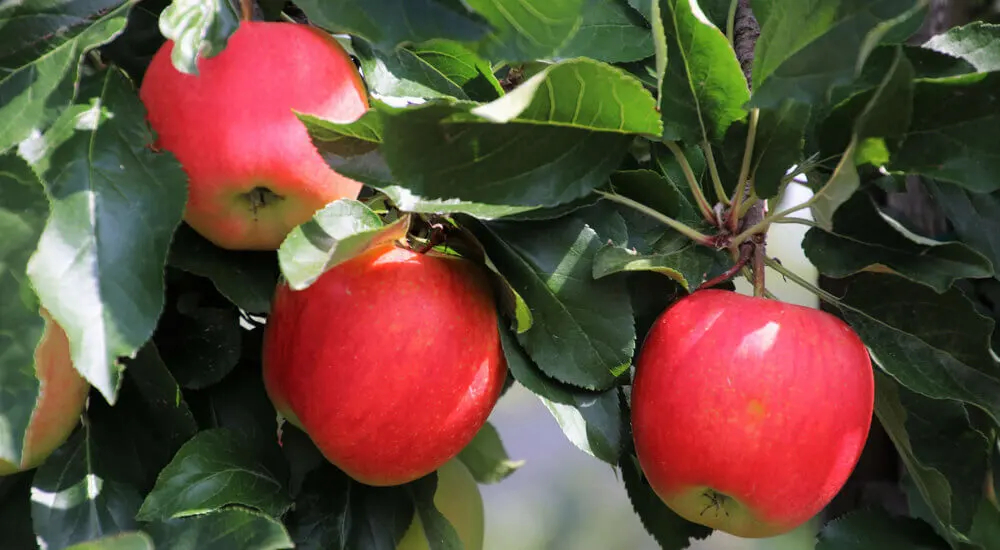
Pectin is found in plant foods, particularly in fruits, with a higher concentration in the peel and seeds. Apples and citrus fruits are especially rich sources of pectin. Fruits with firmer and thicker skins have higher pectin content, whereas fruits with soft flesh, like strawberries or mangoes, contain less pectin. Pectin, composed of long-chain carbohydrates, regulates water balance and stabilizes cell walls in both fruit and plants.
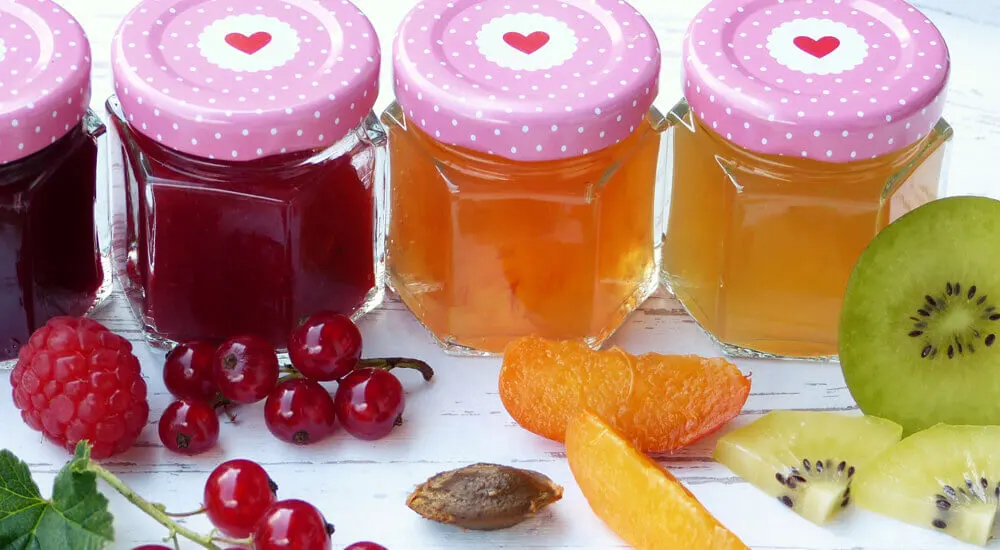
When pectin encounters water, sugar, and acid (such as fruit acid), it forms a solid gel. In food production, pectin is used to achieve the desired consistency in products like jelly, jam, or fruit gum. As a gelling agent, pectin belongs to the group of additives known as (E 440).
How is apple pectin produced?
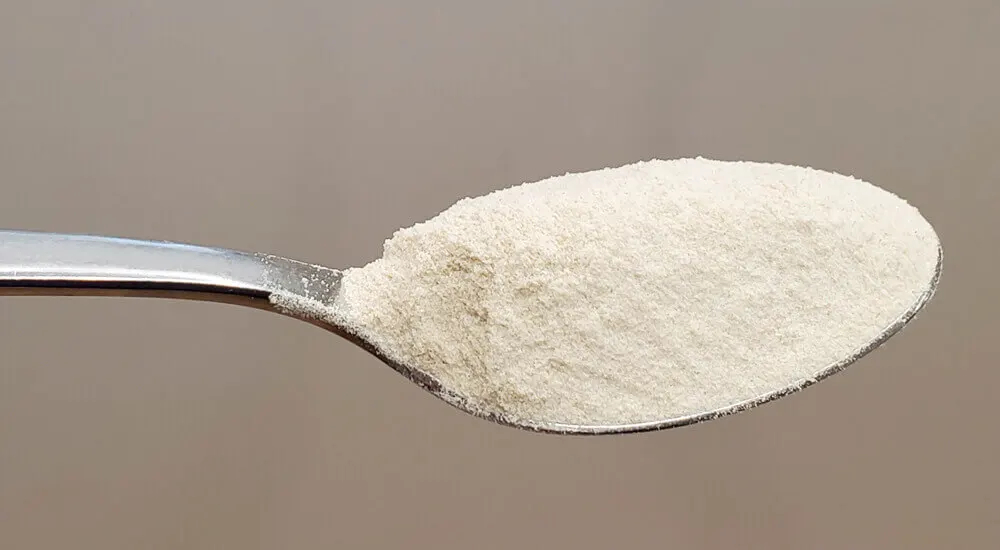
Pectin is extracted from dried apple pomace, which is the residue (including pulp, peel, and seeds) left after apples are pressed for juice. Pectin can also be extracted from citrus fruit peels. This waste is repurposed effectively. The pomace is dried, and the pectin is dissolved using water. Another method to produce apple pectin or pectin is ultrasonic extraction, which is a mild, non-thermal process.
Pectin, also labeled as additive E440, is used in organic products as well.
Gelatine, used as a gelling agent, is derived from the connective tissue of various animal species. Many conventional foods, such as fruit gums, use non-vegan gelatine as their gelling agent. Consequently, this gelatine is not suitable for vegans.
For many consumers, the vegetable-based gelling agent pectin serves as the vegan alternative.
What is apple pectin used for?

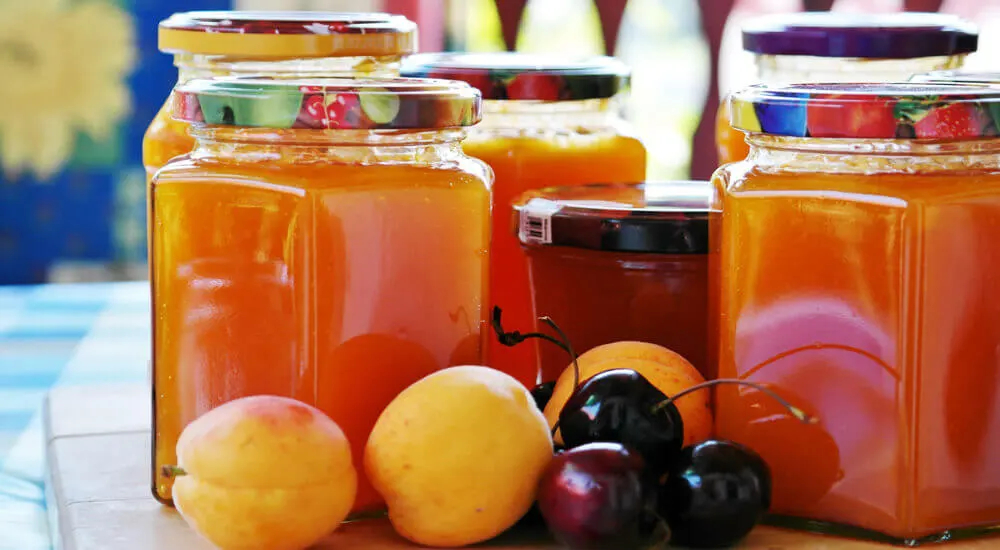
In the food industry, apple pectin is utilized as a plant-based substitute for gelatine. It ensures the right consistency in jelly, jam, marmalade, dairy products, and soft drinks.
Additionally, pectin is used in vegan sausage alternatives and numerous pharmaceutical products. Pectin from apples is particularly used in baked goods. Pectin, being a dietary fiber, is permitted in the production of organic products due to its harmlessness and safety
Interesting information about pectin.

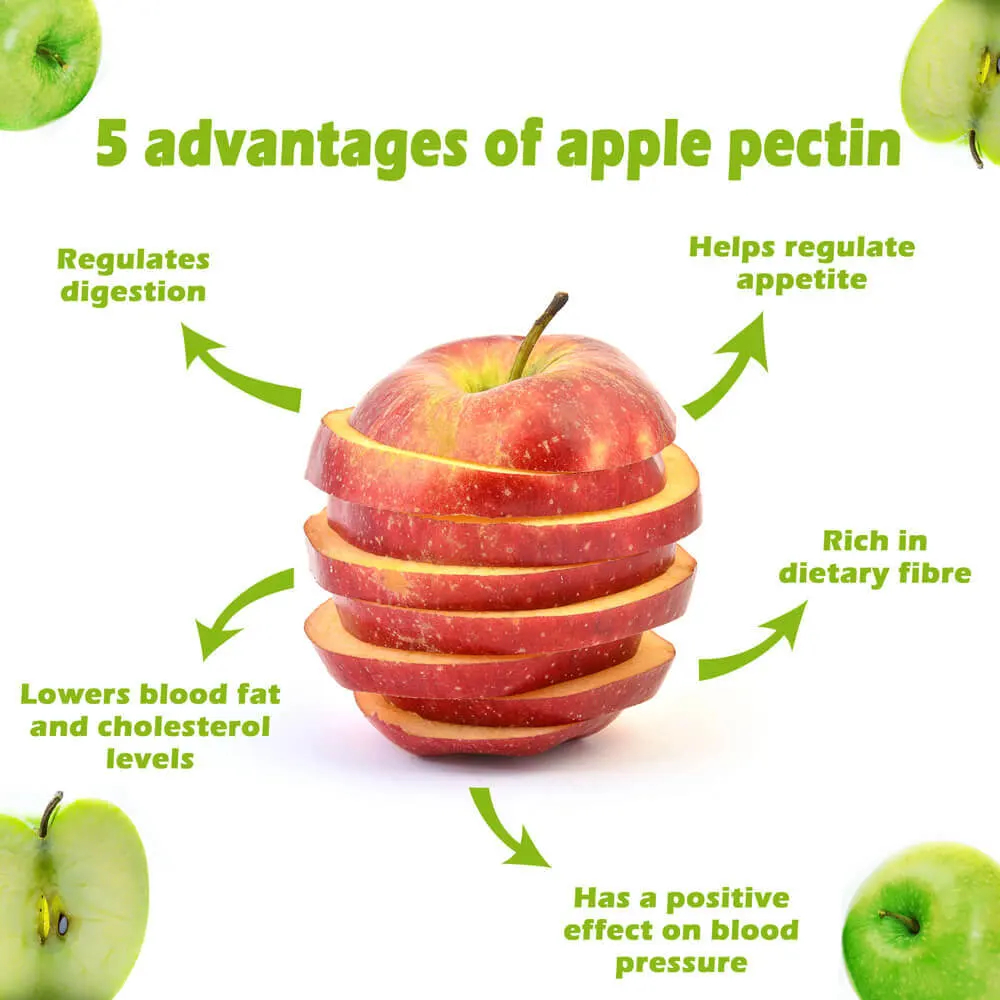
In the broadest sense, apple pectin functions as a dietary fiber and impacts our intestines.
For beneficial intestinal bacteria, soluble dietary fibers serve as food, much like the prebiotic inulin. When the microbiome (the community of bacteria) is healthy and robust, we feel good because our body functions well. Prebiotics help regulate bowel movements. For diarrhea, the dietary fiber pectin is effective, similar to the well-known home remedy of grated apple.
In the intestines, apple pectin forms a gel-like protective layer on the intestinal mucosa. This binds toxins, which are then excreted, reducing the chances for diarrhea pathogens.
Can apple pectin reduce blood lipid and cholesterol levels?
The water-soluble dietary fibers in apple pectin have the potential to lower cholesterol levels. Elevated cholesterol levels, referred to as lipometabolic disorders or hypercholesterolemia, can lead to arterial deposits. These deposits can impede or completely block blood flow, a condition known as arteriosclerosis, which increases the risk of heart attacks or strokes.
Pectin has been shown to have cholesterol-lowering effects. Various studies have confirmed this. Consuming 75 grams of dried apples daily can reduce cholesterol levels by approximately 25 percent.
Additionally, pectins can bind bile acid, which is then excreted via the digestive system. Bile acid is essential for fat digestion. As bile acid is expelled, the body needs to produce new bile acid or cholesterol.
This causes the blood fat levels to decrease as the existing "surplus" cholesterol is used up in the body. Another benefit is that pectin breaks down bacteria in the intestines, producing short-chain fatty acids in the process. These short-chain fatty acids inhibit the formation of new cholesterol in the liver.
Pectins have positive effects on fat metabolism, the nervous system, sugar metabolism, and the immune system. Recent studies indicate that a healthy and well-nourished intestinal flora also influences our mood and brain function.
These bacteria form the building blocks of neurotransmitters such as dopamine, serotonin, and GABA. GABA, a non-proteinogenic amino acid and important neurotransmitter, is produced in the pancreas and brain.
Approximately 100 million nerve cells are located in our abdomen, forming the enteric nervous system. This nervous system communicates signals back and forth between the gut and the brain via the vagus nerve.
Can pectin be used for weight loss?
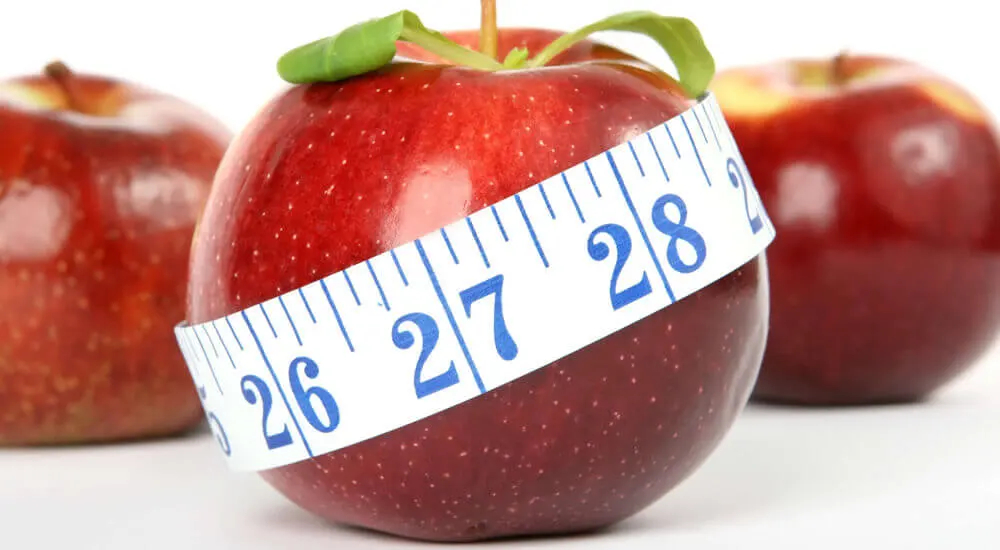
Pectin slows down stomach emptying, which results in a longer-lasting feeling of fullness and reduces the likelihood of cravings. Since dietary fiber pectin inhibits fat digestion, it enhances fat elimination and can assist in weight loss. Studies by Los Angeles County University and the US Army have demonstrated that pectin has no harmful effects.
Unlike many conventional weight loss products, pectin has no harmful side effects. Instead, it helps regulate cholesterol levels, blood pressure, and detoxify the intestinal flora. However, one should not depend solely on apple pectin for weight loss. While it can aid in the process, a healthy diet, ample exercise, and a balanced energy intake are also essential for achieving desired weight loss results.
Does pectin delay the absorption of minerals, medications, or vitamins?
Dietary fibers can delay the absorption of active substances in minerals, medications, and vitamins. This is particularly true for cholesterol-lowering drugs, cardiac glycosides, thyroid hormone L-thyroxine, and especially painkillers. If you need to take these medications, an interval of 2 hours should be maintained between taking them and consuming apple pectin. As with all dietary fibers, it is crucial to drink sufficient fluids throughout the day when taking pectin.
What benefits does pectin offer?
Pectin, in comparison to animal gelatine, serves as an ecological, sustainable, and animal-free alternative as a vegetable gelling agent. Production waste of vegetable origin, such as apple pomace, is effectively reused as pectin in the realm of vegetable gelling agents.
Why avoid using pre-made jam sugar?
Pre-made jam sugar often contains preservatives, palm oil, and large amounts of sugar.
Rainforests are continuously being cleared to establish palm oil plantations because we, as consumers, use excessive amounts of palm oil. Therefore, to protect the rainforests, we should reduce palm oil consumption wherever feasible. Gelling sugar does not require palm oil, and using apple pectin makes more sense.
Purchase the gelling agent apple pectin.
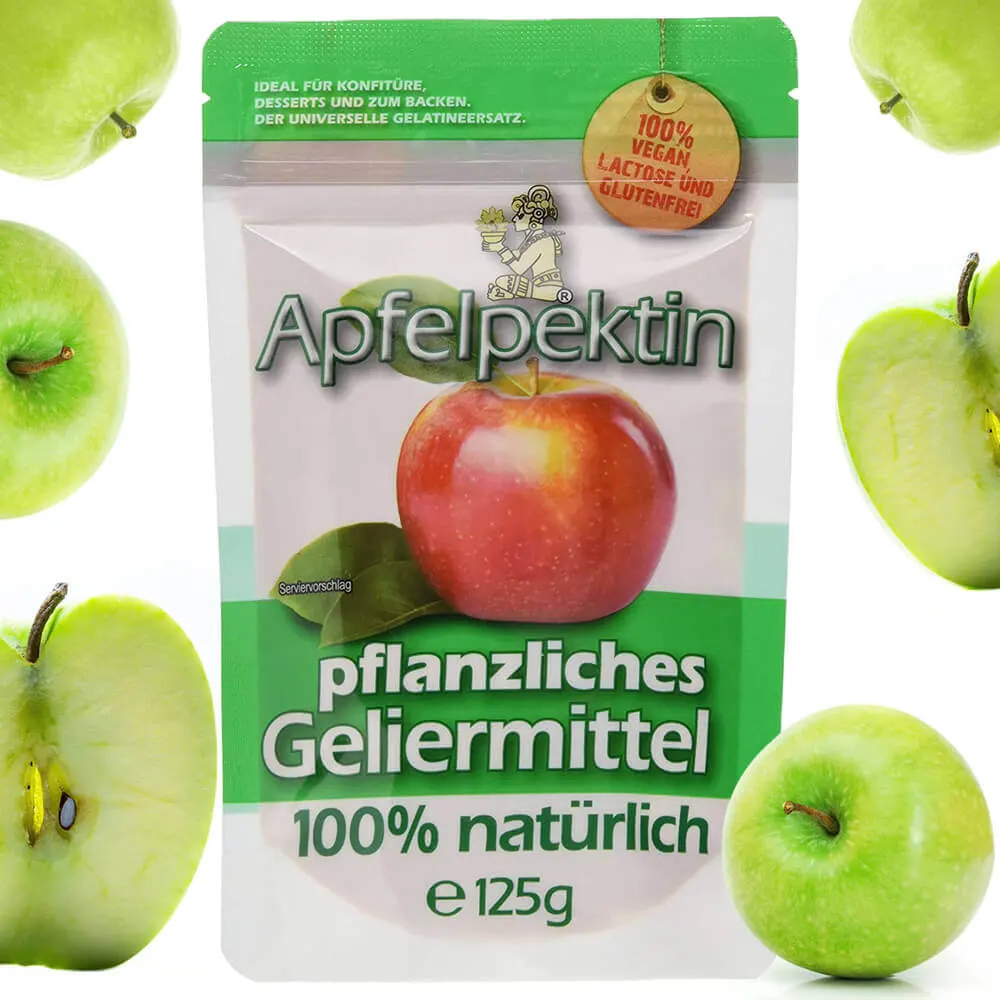
What to know when purchasing apple pectin.
When you buy our apple pectin, you receive a vegan and effective natural gelling agent. Here's how apple pectin works as a gelling agent:
For every kilogram of fruit, you need 15 grams of pectin powder. To activate the gelling process, you must add either sugar or calorie-free erythritol. You can create your own gelling sugar by using apple pectin powder, adjusting the amount of erythritol or sugar to suit your taste.
What makes apple pectin powder special?
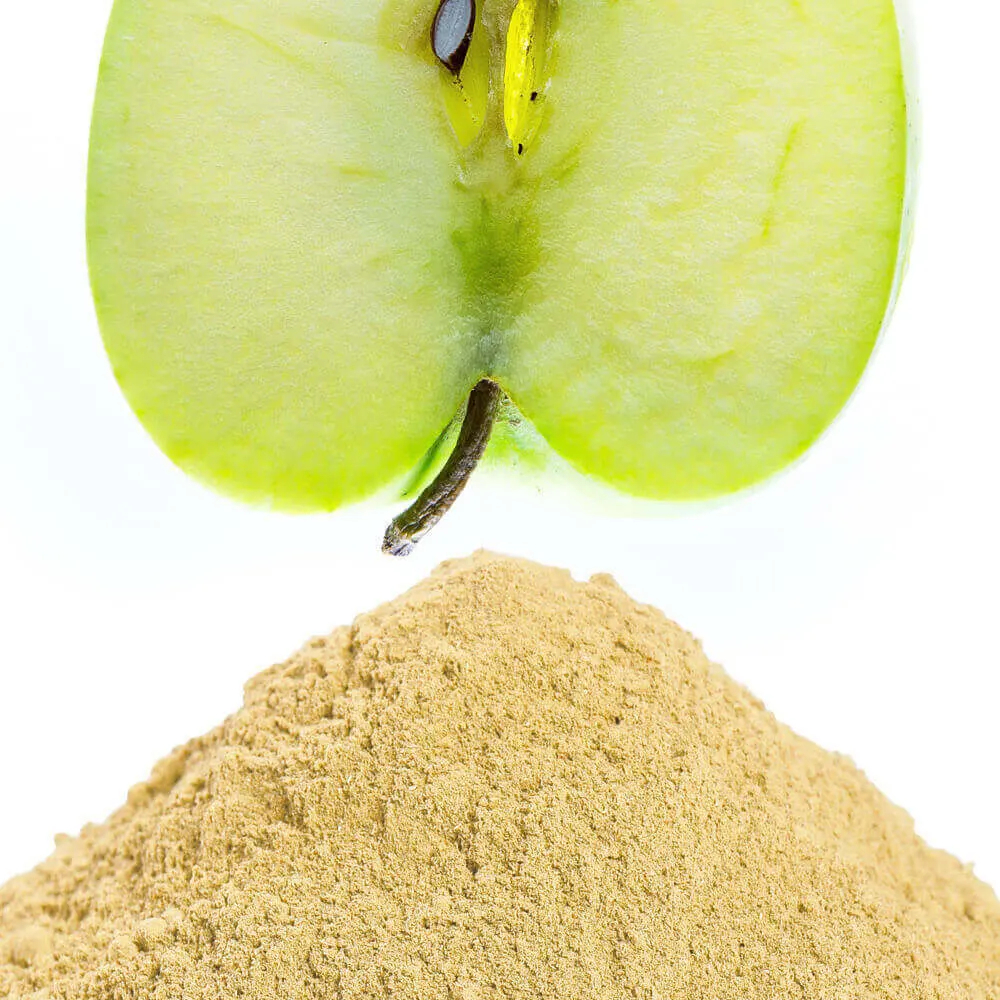
Pectins (polysaccharides) are present in many plants and their ability to bind gels is utilized not only in the food industry but also in cooking. Apple pectin is suitable for a vegan diet as it is derived from apples and is a fine, tasteless powder.
Our product is a low-esterified apple pectin (degree of esterification 38-44%) without dextrose or other additives. It is 100% pure apple pectin produced in Germany from apples grown in European agriculture.