Stevia Cultivation | A Compact Guide | How It Works | Gardening Tips from A to Z
Origin of the Stevia Plant
The sweet Stevia plant originates from South America. The indigenous people there have used it as a sweetener for Mate tea for centuries. In addition to its botanical name, the plant is also known as “sweet herb,” “honey herb,” “sweet herb of Paraguay,” or “sweetest plant in the world.” Stevia rebaudiana belongs to the genus Stevia.
Learn here how to cultivate the popular plant in your garden or on your balcony. Since its approval in 2011, this South American sugar alternative has been gaining popularity. Increasingly, nurseries are also offering the calorie-free Stevia plant, as it thrives well in our regions despite its origins.
In this article, you will learn what the Stevia plant needs and what care instructions should be observed.
Growing Stevia in the Garden
Young Stevia plants are available in well-stocked nurseries as well as online. Seeds can also be ordered directly in some cases.
Growing Stevia is generally straightforward. The Stevia plant can be easily cultivated on balconies, in gardens, or even on windowsills. The plant blooms in late summer or early autumn, which is also the ideal time for harvesting as the leaves have reached their maximum sweetness.
During harvesting, it’s important to remove the entire shoot tip to encourage the plant to form new side shoots and branches. The plant thrives best in the garden during the warm period between early summer and early autumn.
Growth
Stevia rebaudiana can reach a height of approximately 60 to 100 centimeters. The herb grows in a bushy manner from a base of shallow storage roots. As the plant ages, its stems become woody.
Leaves
The leaves of the Stevia plant are oval, have serrated edges, and can reach a diameter of up to five centimeters. They grow opposite each other on the stem. Young leaves are light green and darken over time. The glands that contain the sweet substance Stevioside are visible only under a microscope.
Flowers
Stevia rebaudiana belongs to the Asteraceae family. During the flowering period, it produces small, white to cream-colored terminal flowers. These flowers are self-pollinated either by the wind or by insects. A single plant can develop up to 150 flowers. The small, terminal flowers of the Stevia plant appear in late summer.
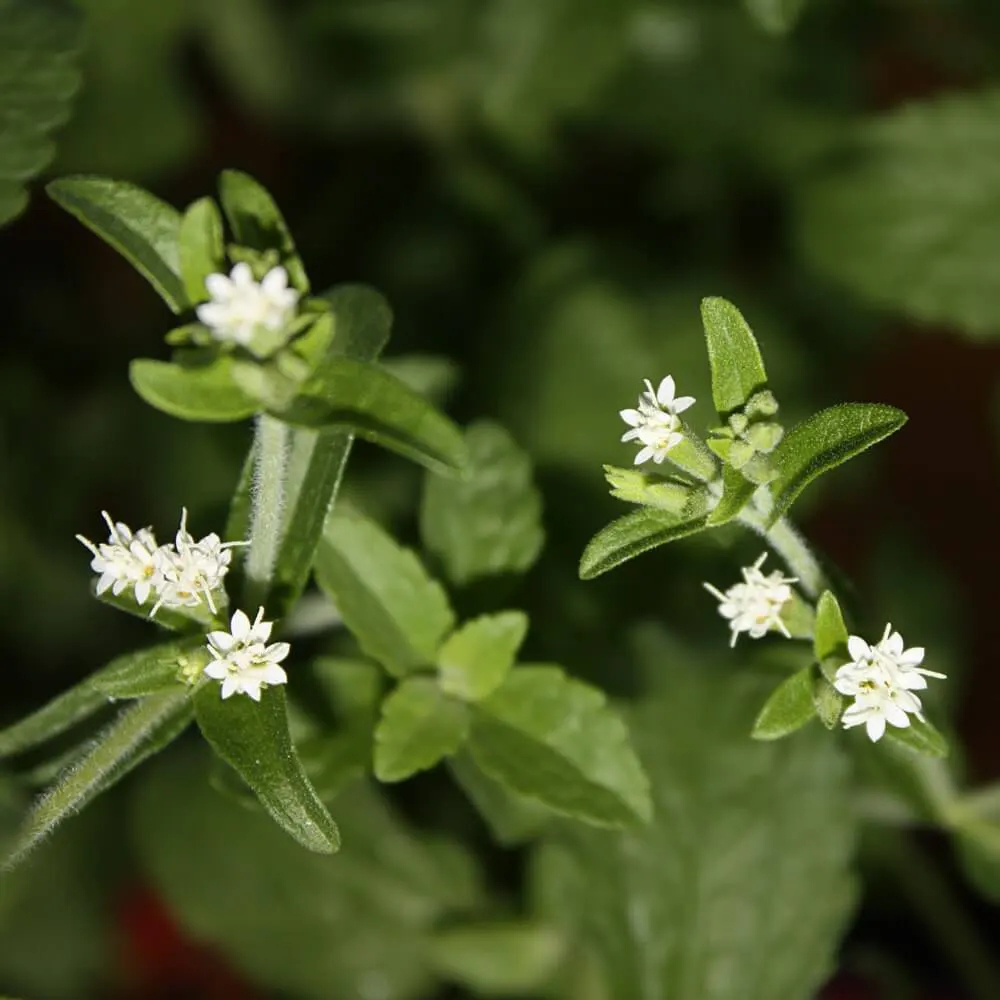
Small, delicate white flowers of the Stevia plant
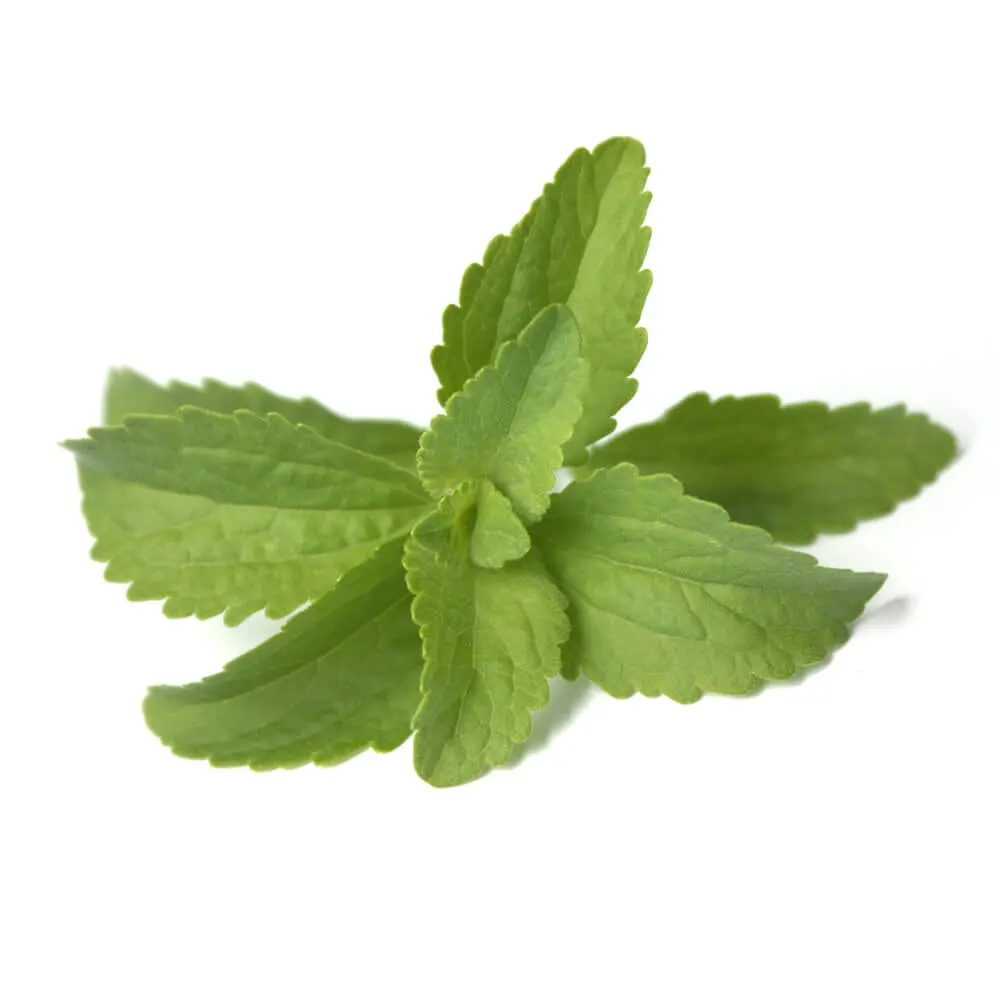
The leaves of the Stevia plant closely resemble mint leaves.
What Location is Suitable for Cultivation?
The perennial Stevia plant is ideal as a container plant for terraces and balconies because it prefers a bright, warm, and especially sunny location. In greenhouses, the plants thrive particularly well and can be grown there year-round.
If you want to plant your Stevia in the garden, you should only do so from June to autumn and then move it to a frost-free room as the Stevia plant cannot survive the winter outdoors. In pots, the plant generally grows less vigorously than in open ground.
In its native habitat, Stevia grows outdoors, and cultivation in open ground is also possible in Germany as long as the plant is brought indoors for the winter, as it is not frost-hardy. The simplest method to cultivate a Stevia plant is in a large pot or, even better, in a greenhouse where temperatures do not drop below 18°C even in winter, allowing for year-round cultivation.
A sunny to partially shaded spot is the best location for the plant. To avoid waterlogging, a substrate of sand and loam should be used, ensuring that Stevia rebaudiana receives enough water as it is particularly sensitive to drought.
Over-fertilized soils or regular potting soil are not suitable as they pose risks of fungal diseases or damping-off. A well-draining, nutrient-poor herb substrate or normal garden soil mixed with some sand is sufficient.
Although Stevia is a relatively adaptable plant, care should be taken to ensure the soil is not too cold and the location not too windy, as strong wind can break the long stems of the Stevia plant. A spot directly against the house wall is ideal.
Tip:
For smaller Stevia plants, a sunny windowsill is an excellent choice.
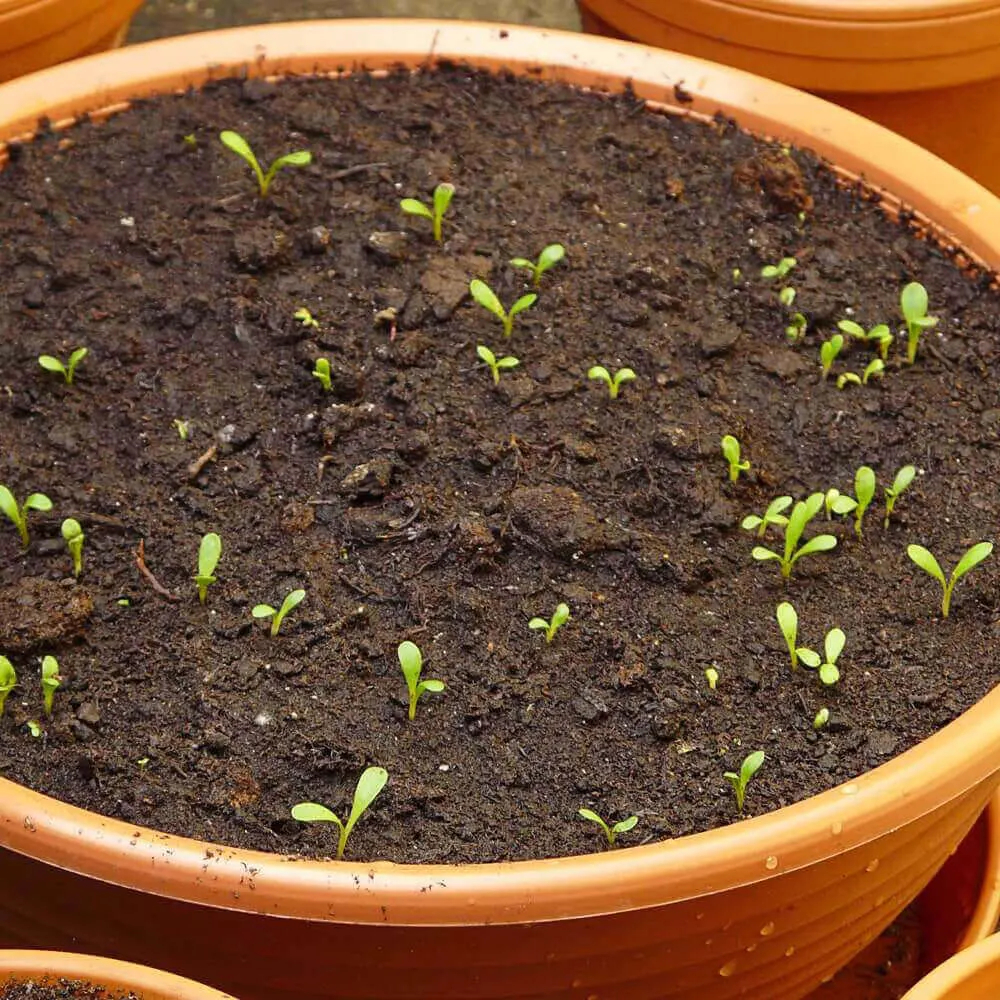
Fresh Stevia seedlings sprouting in a pot.
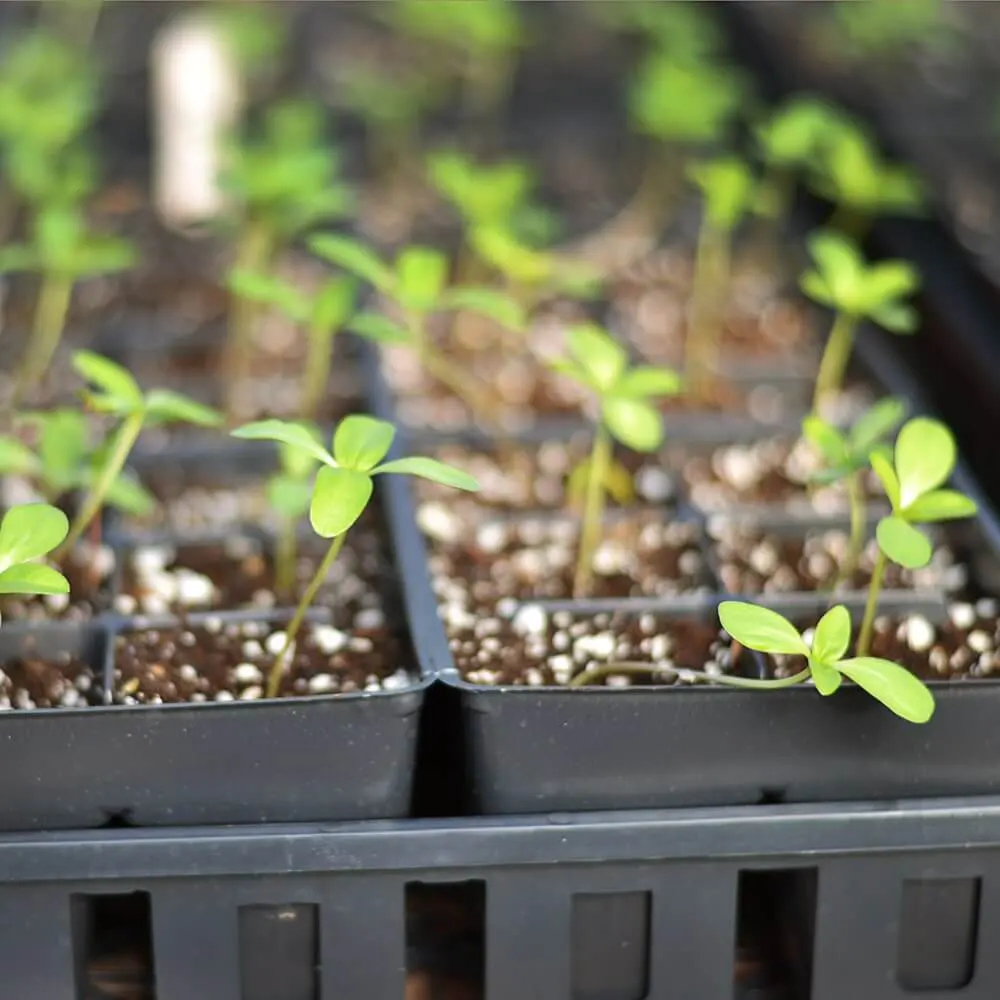
Germinated Stevia Seeds: Sowing, Cultivation & Propagation
How do I care for the Stevia plant?
How do I care for the Stevia plant?
Though the Stevia plant prefers a moist environment, waterlogging should be avoided to prevent root rot. Alternating between dryness and moisture provides optimal growth conditions.
Sowing and Planting
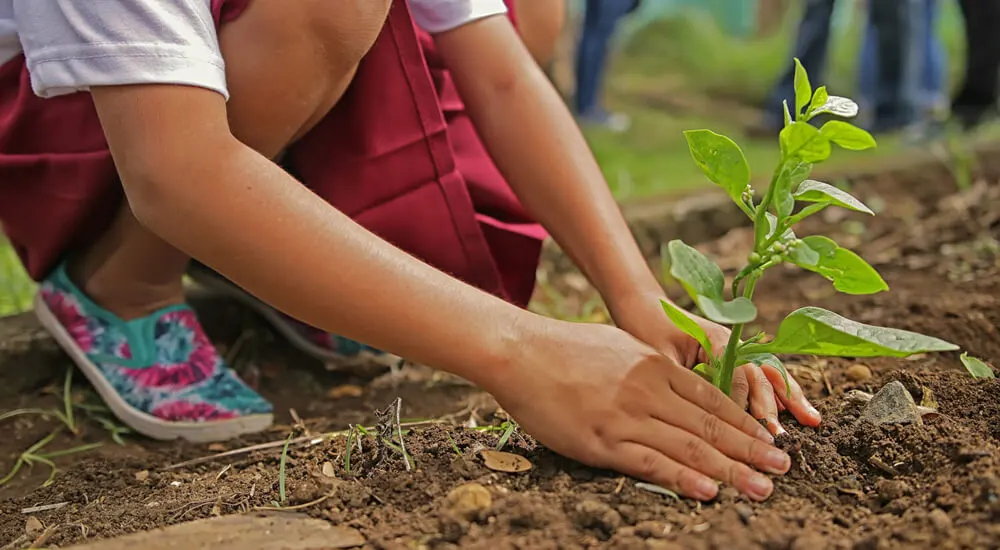
Stevia seeds are light germinators and should be sown from April either in seed trays on the windowsill or in a cold frame. It’s important to cover the seeds lightly with soil and not to press them down firmly. At a constant ambient temperature of about 22 degrees Celsius, the first seedlings should be visible after about 10 days. The delicate plants can then be pricked out and transplanted into the open ground or pots.
When planting in open ground, a minimum distance of 30 centimeters between the plants should be observed. When planting in pots, they should have a diameter of at least 20 to 30 centimeters. Due to their shallow but strong storage roots, the pots do not need to be deep.
Mini-greenhouses are ideal for sowing. Once the seedlings are strong enough, they are pricked out and placed in planting pots.
Care
Stevia rebaudiana is very sensitive to drought and its shallow roots only reach surface water. Therefore, it is crucial, especially in summer, to water the plant sufficiently.
The plant thrives well on nutrient-poor soils or in pots with additional nutrients like horn shavings, compost, or slow-release fertilizers. Caution is advised when fertilizing, as overfertilization makes the plants more susceptible to pests and reduces the stevioside content in the leaves. If unsure about the nutrient content of the soil, a soil analysis is recommended.
Regular pruning promotes growth, makes the plant bushier, more stable, and less prone to stem breakage. From August onwards, the plant should not be pruned due to the declining growth.
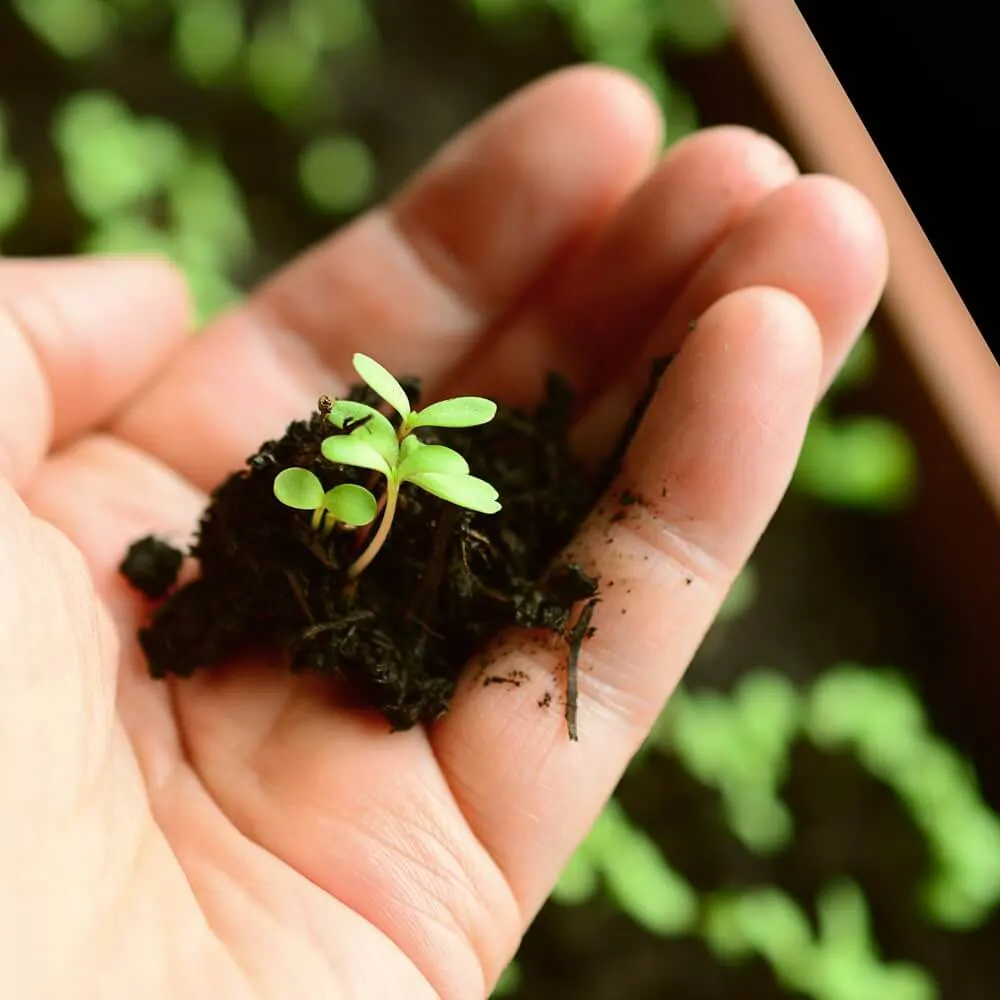
Young Stevia seedlings
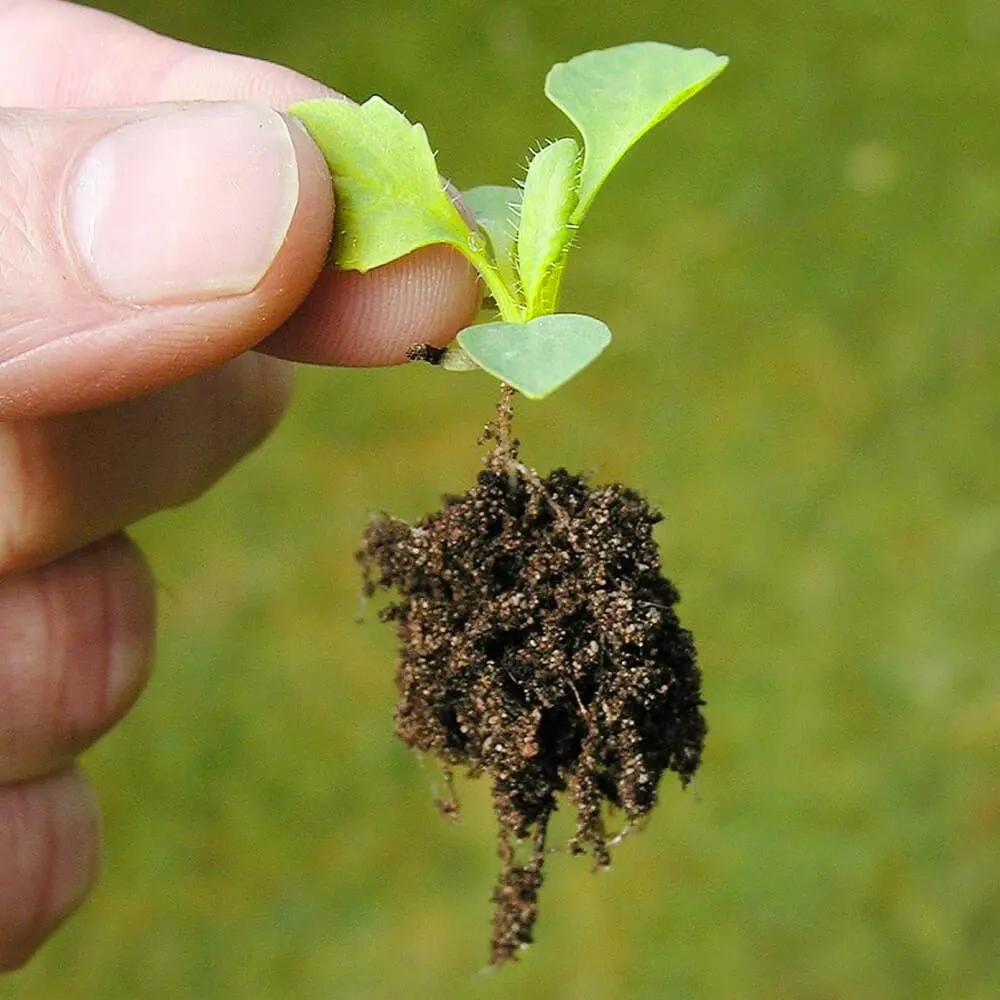
Small Stevia Plant Seedling
How can Stevia be propagated?
Stevia can be propagated either by seeds or by cuttings. When using seeds, note that only a few seeds actually germinate.
For propagation by cuttings, the cutting should be left in water until it develops roots. Once rooted, the cutting can be planted and should be watered daily.
Seeds from plants in natural environments have a good germination rate and can be identified by their dark color. Seeds from winter blooms are lighter and have a lower germination rate.
Since Stevia seeds are light germinators, they should be pressed lightly into the soil for propagation. The ideal germination temperature is around 22 degrees Celsius, and transplanting seedlings can be done after about 10 days.
Vegetative propagation is very easy due to the strong growth of the roots and shoots. To create a new plant, simply place the side shoots and roots in another pot.
Once the cuttings are well-rooted, they can be planted in the open ground. After successful rooting and strong growth, they can be moved to the open ground or a larger pot.
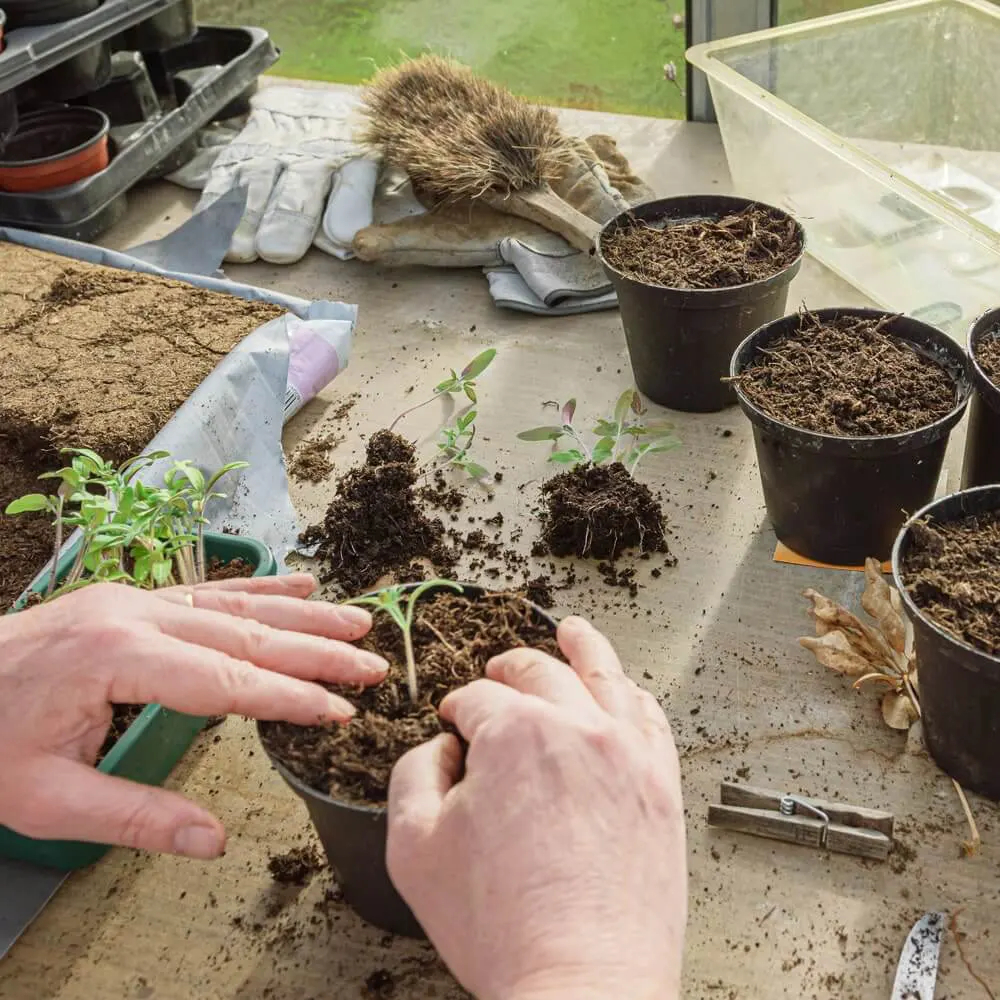
Transplanting Stevia seedlings and placing in planting pots.
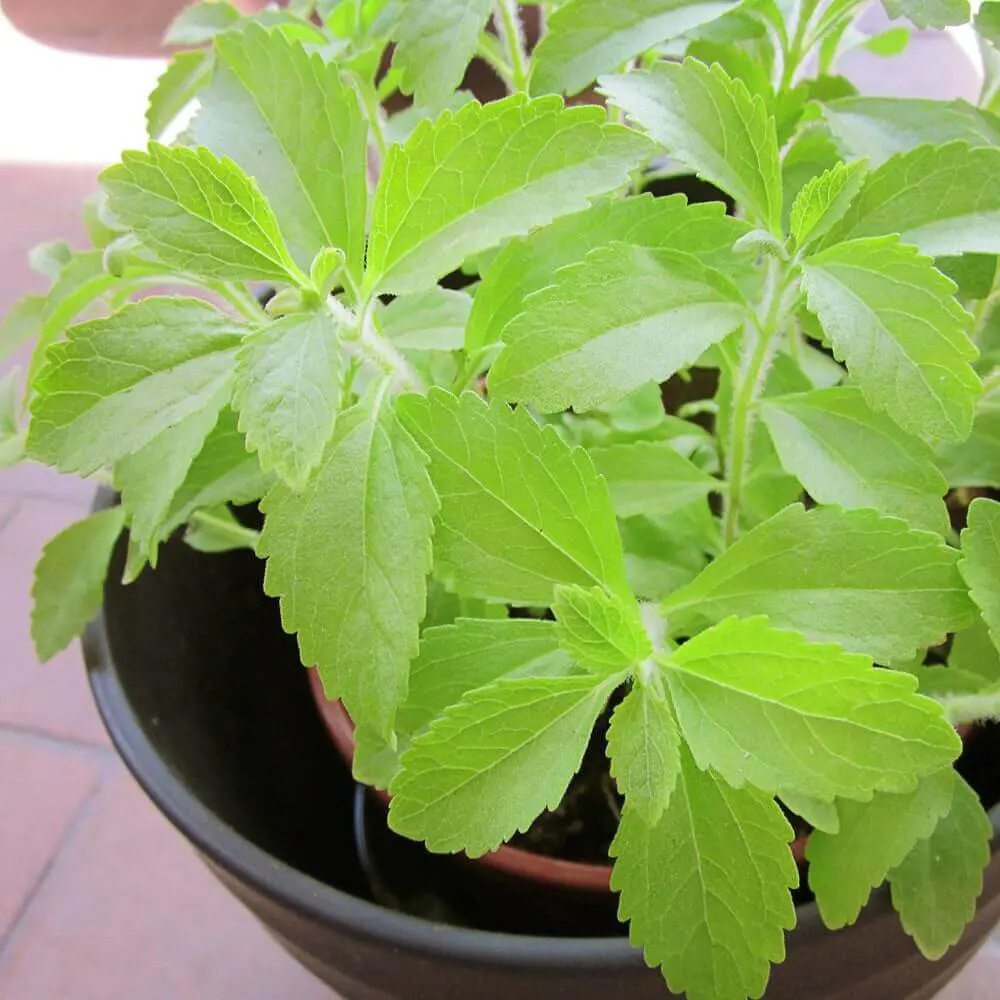
Young Stevia Plant in a Pot
What size pot is suitable for the Stevia plant?
The pot for Stevia should not be too small. A diameter of 20 to 30 cm is ideal, as the plant has strong root growth. Due to the nutrient-poor soils of its origin, Stevia also requires only a little fertilizer in cultivation.
How much light does Stevia rebaudiana need?
A bright and warm environment is necessary for the healthy growth of the plant. Therefore, a partially shaded to sunny spot should be chosen.
Overwintering
Stevia rebaudiana is not frost-hardy in our regions, except in some mild wine-growing areas, and is usually cultivated as an annual plant. However, the plant can easily overwinter in a cellar, room, or winter garden.
The optimal temperature for overwintering is around 13 degrees Celsius. It is normal for the upper shoots to die off, a process that occurs in many other herbaceous plants as well.
To promote vigorous sprouting in the spring, the dead shoots can be cut close to the ground. During winter, it is sufficient to water the plant about once a month to prevent the substrate and roots from drying out.
The brighter the overwintering location, the faster the plant will sprout again in the spring. Stevia rebaudiana should only be planted outdoors once the temperatures consistently stay in the double digits.
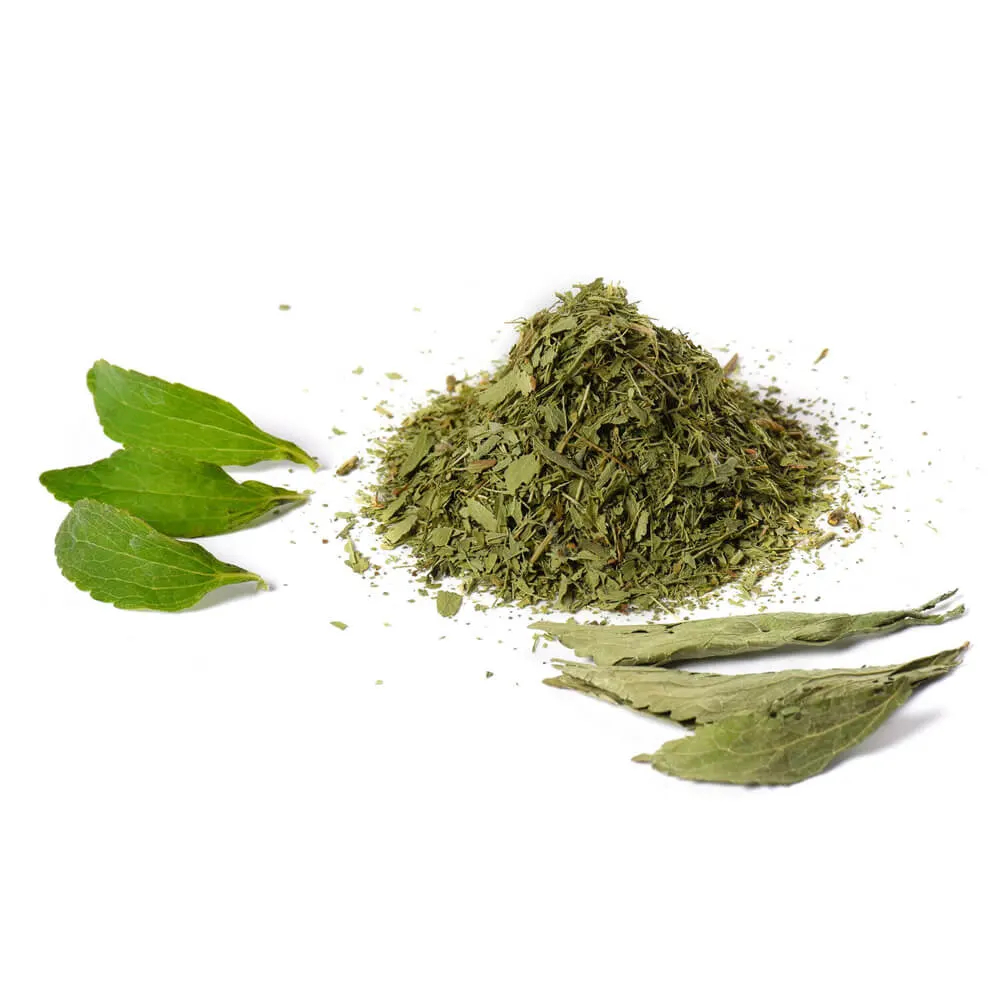
Harvesting Stevia Leaves
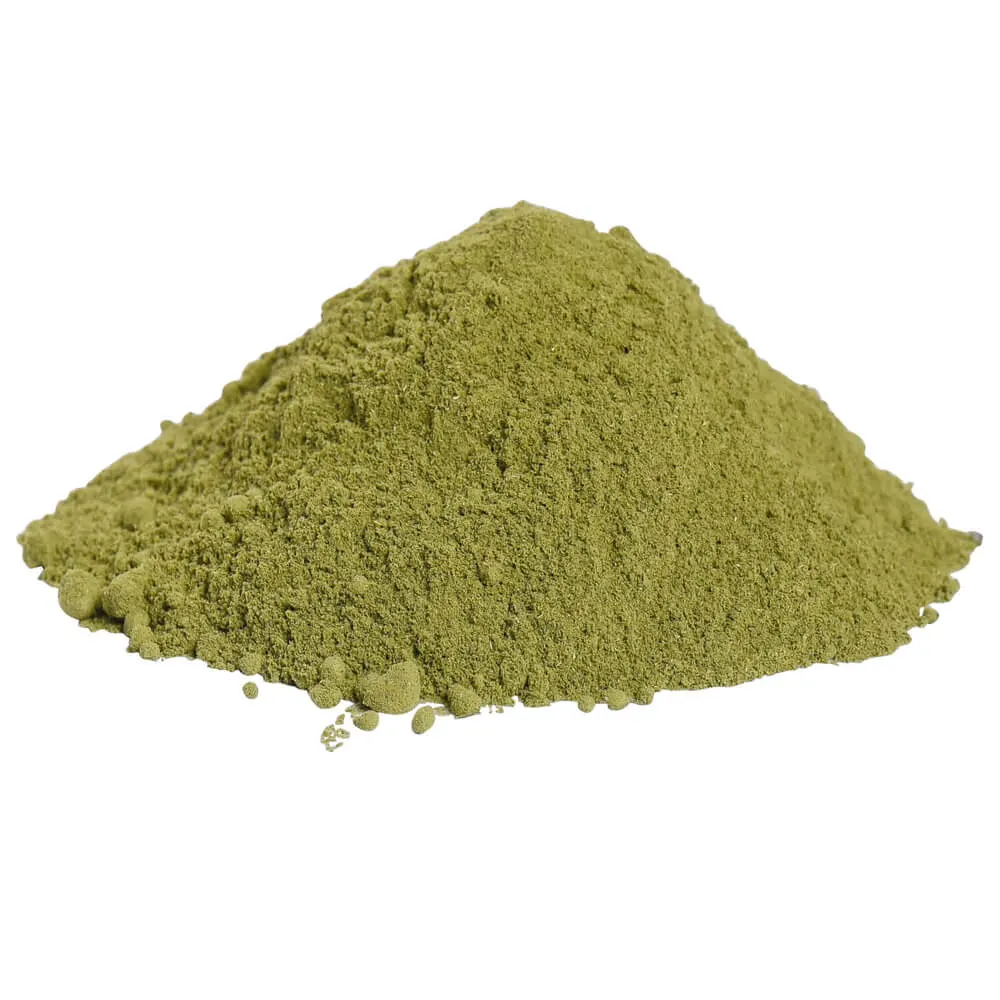
Microfine ground leaves of the Stevia plant
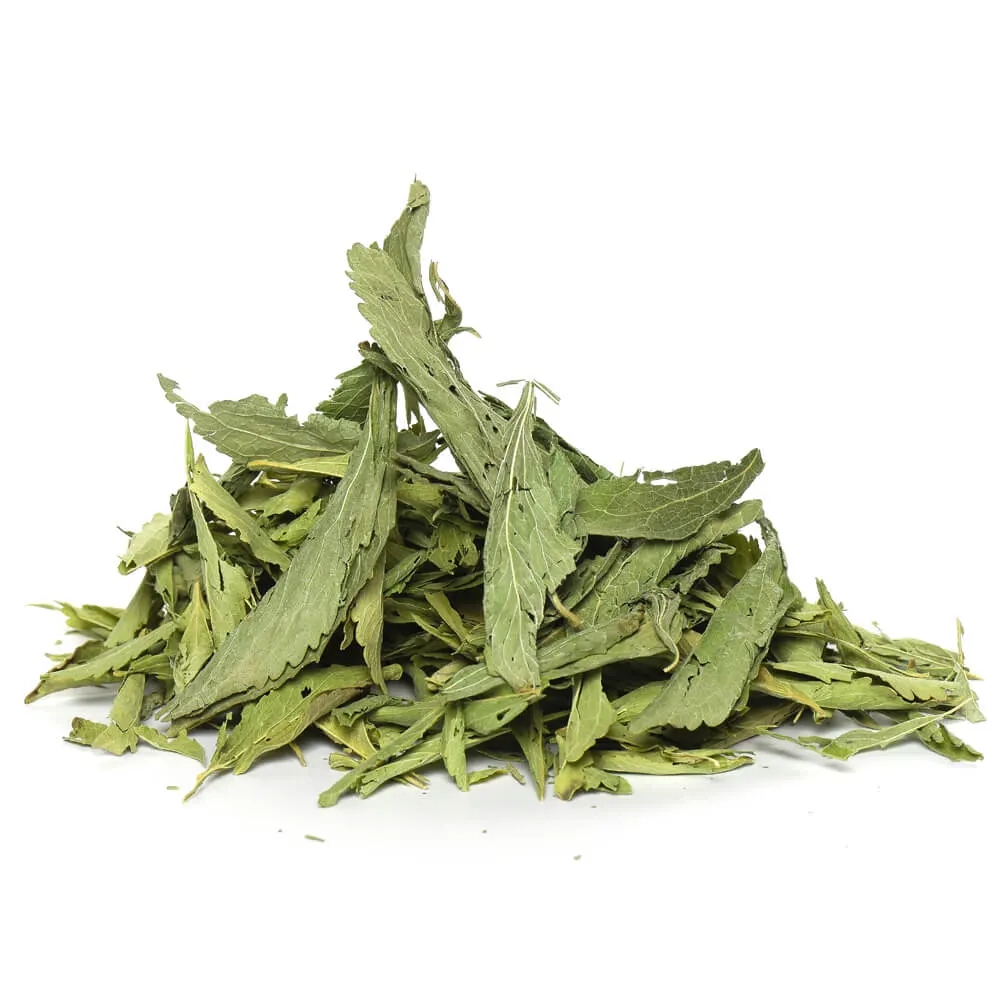
Whole dried leaves of the Stevia rebaudiana plant
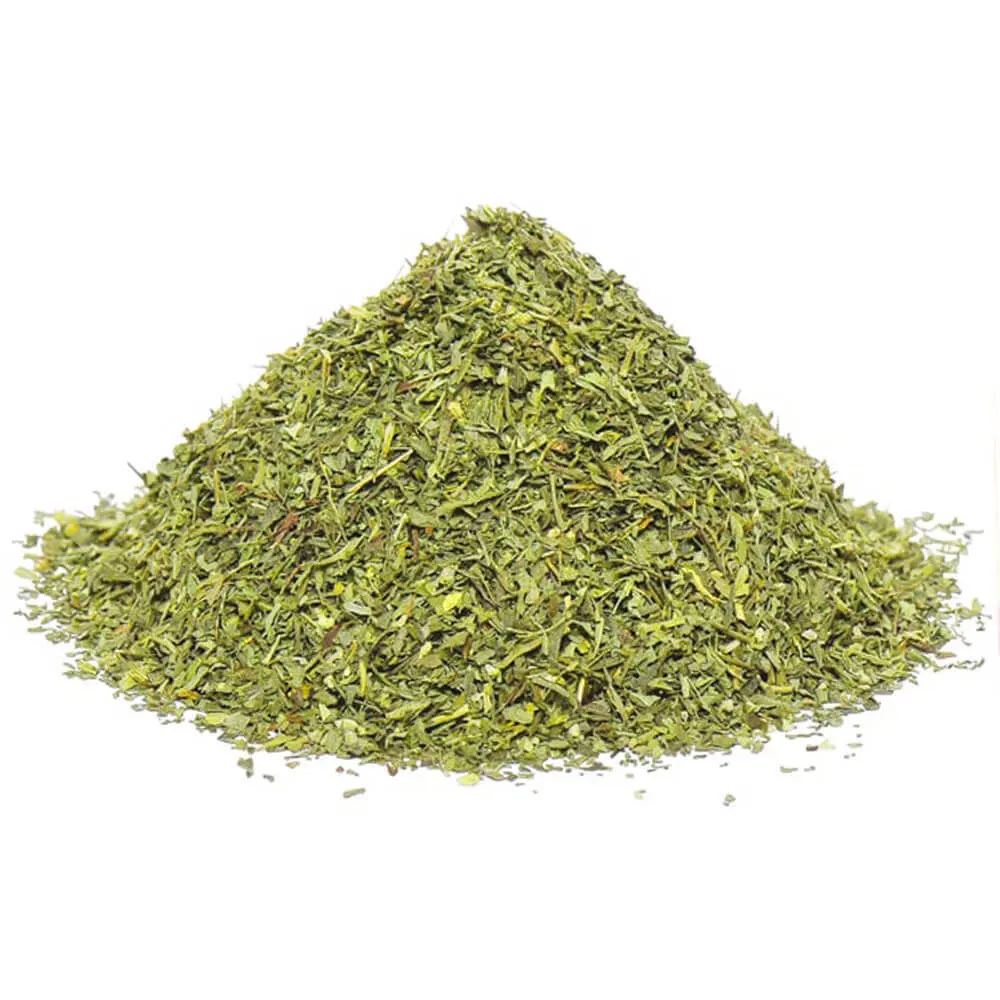
Stevia Leaf Tea Fine Cut
Harvesting Stevia Leaves
The most popular way to preserve and use Stevia leaves is by drying them. The ideal harvest time is September, before the plant starts to bloom. The leaves can be preserved by freezing or drying, or they can be used fresh.
The Stevia harvest is similar to basil, where only the shoot tips are cut off. For further use, a leaf can be placed directly into a cup of tea or dried individually and used later as a sweetener. A single Stevia leaf is enough to sweeten a cup of tea.
Stevia as a Sugar Alternative
Compared to regular household sugar, Stevia leaves are about 30-40 times sweeter. The pure stevioside of the plant is even up to 450 times sweeter. In addition to the classic use in tea and mate, the sweetener is also frequently used in baking or cooking because Stevia is extremely heat stable.
The two main components, Rebaudioside A and Stevioside, give the leaves their distinctive sweetness. The molecule of these substances is so stable that it passes through the human digestive tract unchanged.
Therefore, neither insulin is released nor blood sugar levels affected, making Stevia particularly interesting for diabetics. Depending on the variety, Stevia can have a slightly licorice-like aftertaste, which is why the sugar substitute is not equally preferred by everyone.
Although the natural sweetener was only approved as a food additive in the European Union in 2011, Stevia is not a new product. The sweetener has also been gaining popularity in Asian countries.
Always check the ingredients: Many Stevia products contain flavorings, chemical sweeteners, or dextrose, fructose, and sucralose. These additives often mask the taste of inferior Stevia raw materials.
Caution is advised when purchasing online: "When buying online, you are always taking a risk, as you do not know what you are getting or whether the products have been adequately tested." The key factor is the purity level of the steviol glycosides.
If this value is below 95%, it is a product not approved in the European Union. This also applies to in-store products. Particularly risky are Stevia powders, Stevia sweetener tablets, or Stevia liquid sweeteners without ingredient information. In such cases, purchasing is strongly discouraged.
The Stevia plant is even attributed with medicinal properties: It is suspected that its constituents have anti-inflammatory, blood pressure-lowering, antibacterial, antioxidant, and even anticancer effects. Stevia is also said to have healing properties for kidney and gastrointestinal diseases.
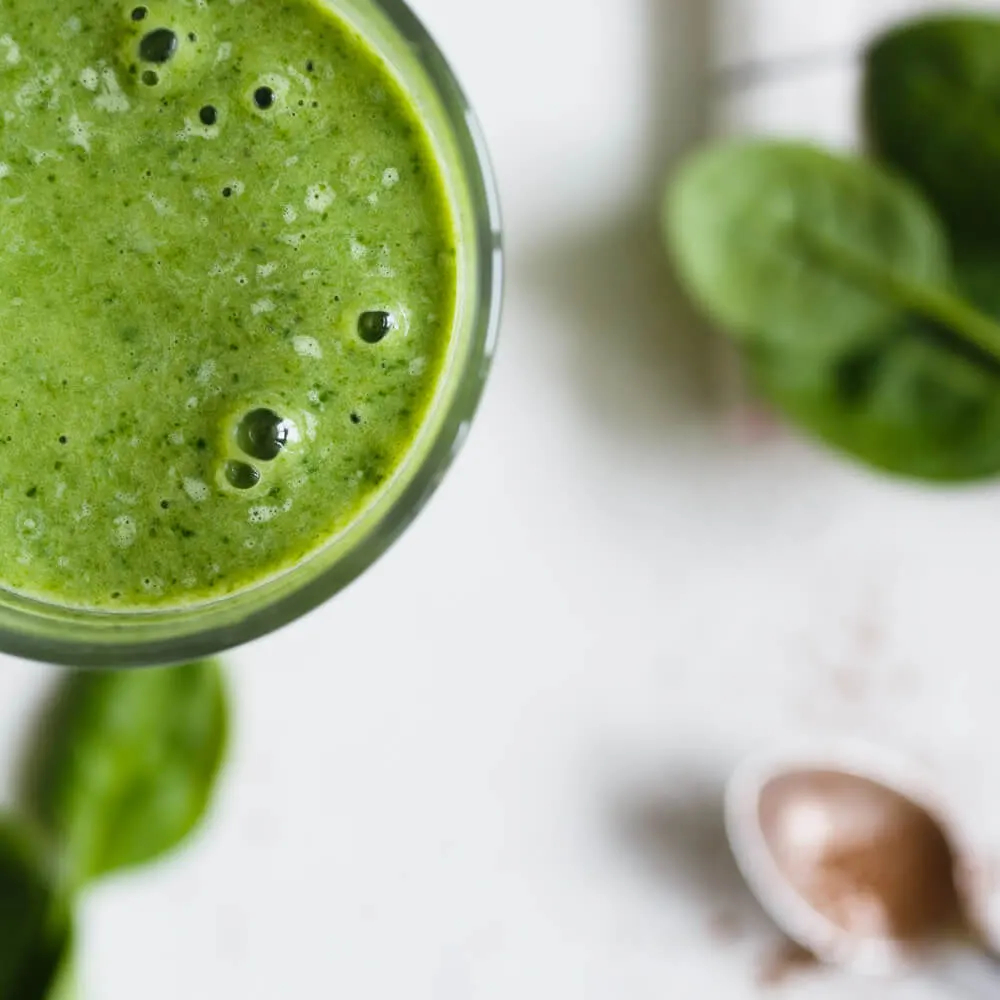
Stevia-Sweetened Smoothies
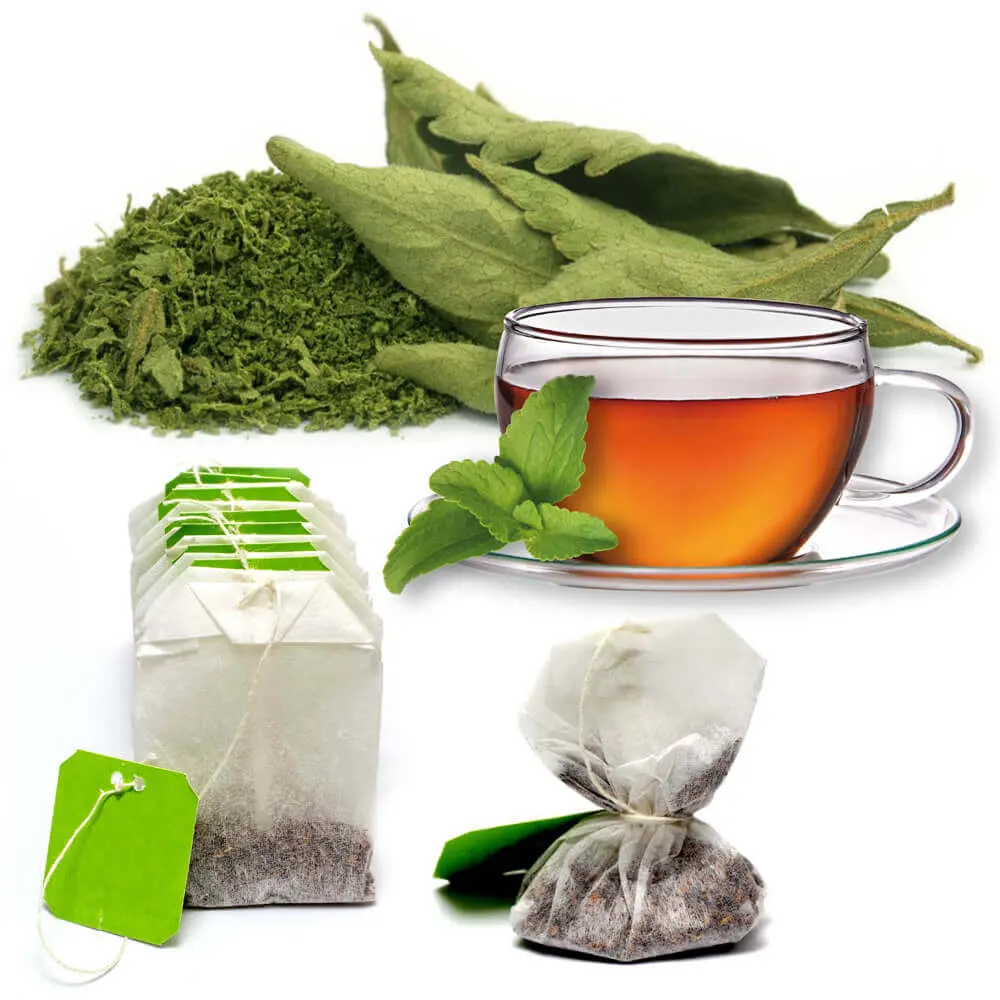
Sweetening Tea with Stevia Leaves
Stevia Varieties
Currently, only a few varieties of the Stevia plant can be found in stores. Typically, stores offer seeds, while herb mail-order companies often sell young plants. Usually, these are the varieties "Stevia rebaudiana Bertoni" or "Stevia rebaudiana Criolla".
The latter tends to produce larger leaves compared to "Stevia rebaudiana Bertoni". Overall, "Stevia rebaudiana" is a rather compact plant and is excellent for container cultivation.
How can the Stevia plant be overwintered?
Stevia rebaudiana comes from the subtropical climate of South America and therefore needs good protection in the German winter. The roots must not be exposed to frost. Ideally, the plant should be stored in a cool place in the house, as is customary for Mediterranean plants. To prevent rot and mold formation, it should be watered sparingly in winter.
If the Stevia plant is cultivated in a greenhouse with additional lighting and glass protection, it will remain green in winter and start to bloom as soon as it receives more than 16 hours of daylight.
Tip:
During overwintering, it is important to leave the plant alone and only water it sparingly when absolutely necessary. During these months, the Stevia plant needs a rest phase and little light. This vegetative phase lasts until the following spring (approximately until March). Visually, Stevia rebaudiana almost seems to die off during this time, so it can be cut back by about 5 centimeters. This several-month rest period makes the plant less susceptible to diseases throughout the year.
Pests and Diseases of the Stevia Plant
When the needs of the Stevia plant are met, it is a rather robust plant. However, if the nutrient content or moisture of the substrate is too high, the risk of fungal diseases such as rust, powdery mildew, black spot disease, or collar rot increases. The Stevia plant is also very popular with some caterpillars, snails, wireworms, and of course, aphids.
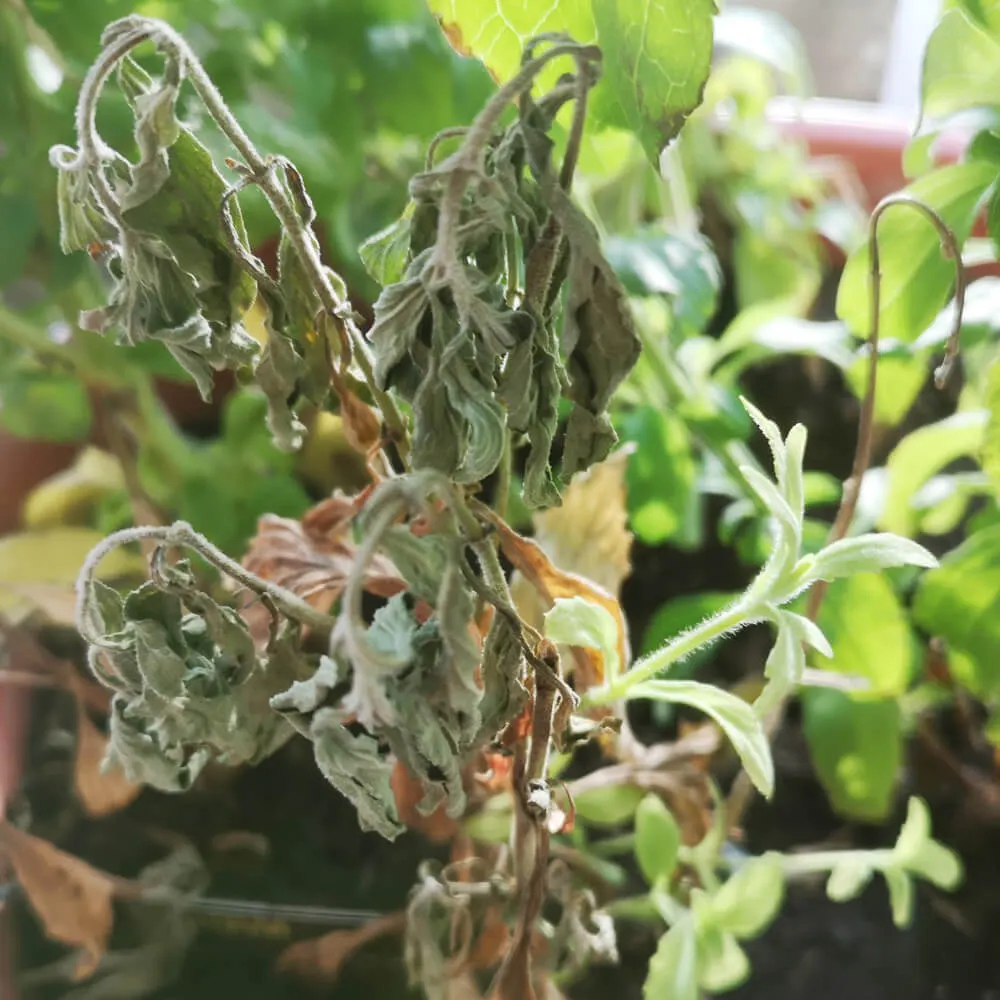
Pests and Diseases of the Stevia Plant, Including Wilt Disease
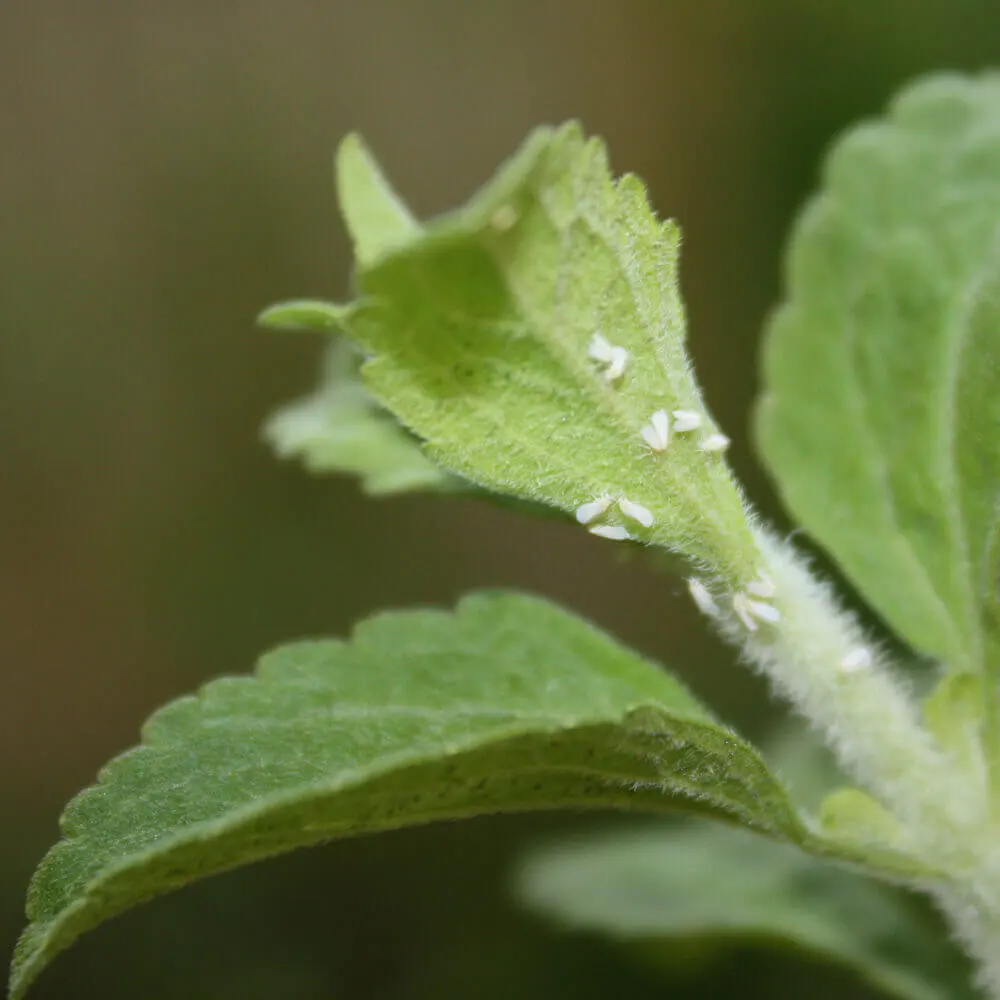
Pests and Diseases of the Stevia Plant, Including Infestation by Whitefly
Characteristics of the Stevia Plant briefly summarized:
Growth Type:
Height:
Growth Characteristics:
Flower Color:
Bloom Time:
Flower Shape:
Leaf Color:
Leaf Shape:
Leaf Characteristics:
Light:
Soil Type:
Soil Moisture:
pH Value:
Lime Tolerance:
Nutrient Requirements:
Humus:
Utilization:
Frost-Hardy:
Usage:
Garden Use:
Perennial, herbaceous plant
from 60 cm to 120 cm
bushy, medium height
white to cream
from August to November
corymbs, terminal flower heads
green to dark green
oval, serrated
also green in winter
partial shade to sunny
loamy to sandy
not too wet
slightly acidic to acidic
lime tolerant
moderate fertilization
rich in humus
medicinal plant and ornamental plant
No, frost-sensitive
in flower beds, plant containers, and winter gardens
apothecary garden, medicinal and utility garden, cottage garden, or large pot