Sweetening without sugar – popular options
Most of the foods we consume daily contain sugar. Although many people are aware that sugar can cause numerous diseases as well as obesity and dental damage, they often find it difficult to give it up.
This is partly because they have not yet found a suitable substitute that sweetens food and drinks sufficiently. This is about to change.
Why is sugar unhealthy?
Excessive consumption of sugar can cause symptoms such as lack of motivation, fatigue, stomach and intestinal problems, hair loss, lack of energy, sleep and concentration disorders, and nervousness.
Since sugar causes our liver to become fatty and hinders our body from detoxifying efficiently, blood values increase and we gain weight. A chronically elevated insulin level is also possible with prolonged sugar consumption.
This can promote inflammation and contribute to chronic diseases. However, there are differences in sugars.
While conventional table sugar is very harmful to the human body, natural sugars like fructose are much healthier and play an especially important in the body's energy production.
It is not just the brain that needs sugar to remain functional, but also the muscles and our metabolism.
Why should you reduce your sugar consumption?
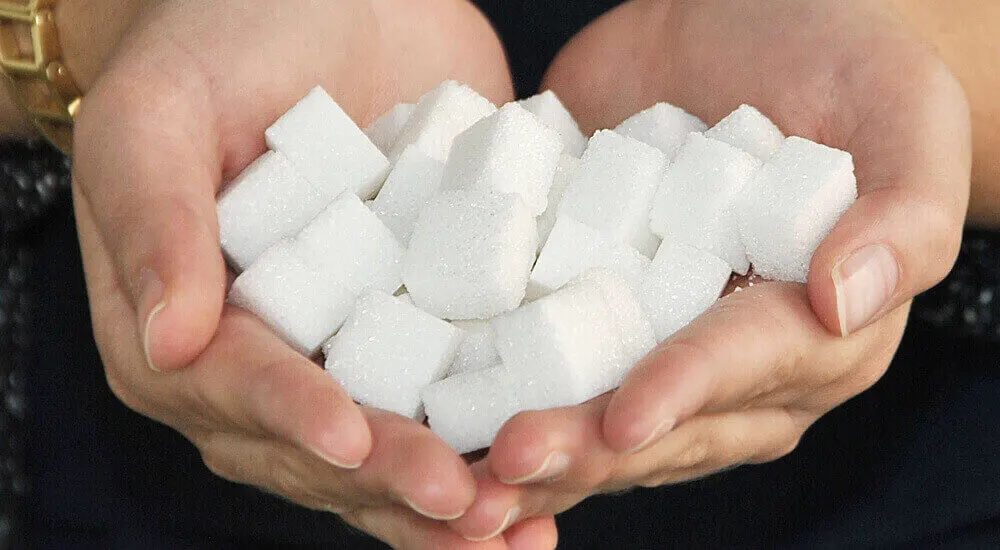
Sugar substitutes are very popular among consumers. Before we delve into Stevia, let’s explain why this is so. The explanation is actually quite simple. It is widely known that regular or excessive sugar consumption is not particularly healthy. For physically active people, sugar has a different effect. In them, sugar is usually converted into starch.
However, for the majority of people, exercise is not a part of their daily routine—thus, high amounts of table sugar or fructose are converted into fat. This consequently increases the long-term risk of numerous metabolic disorders.
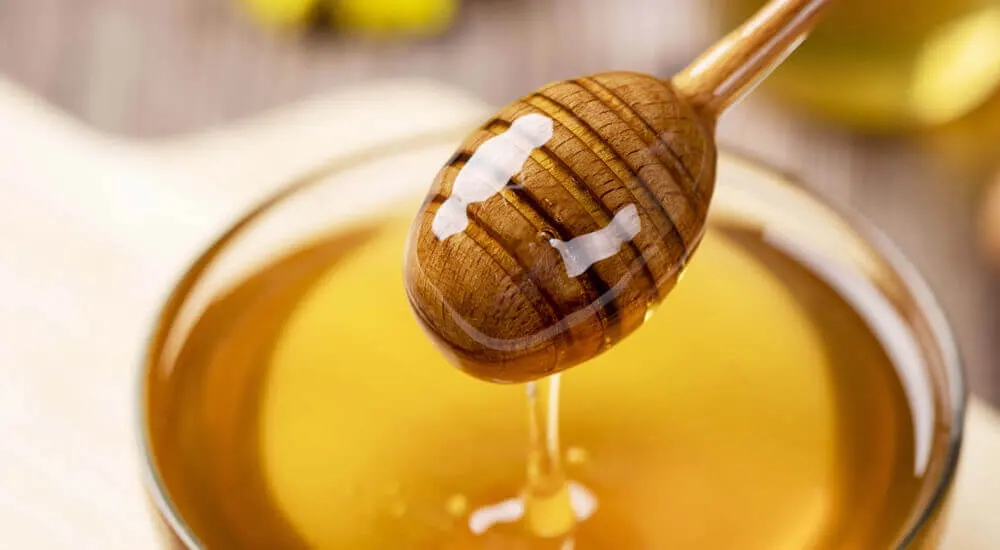
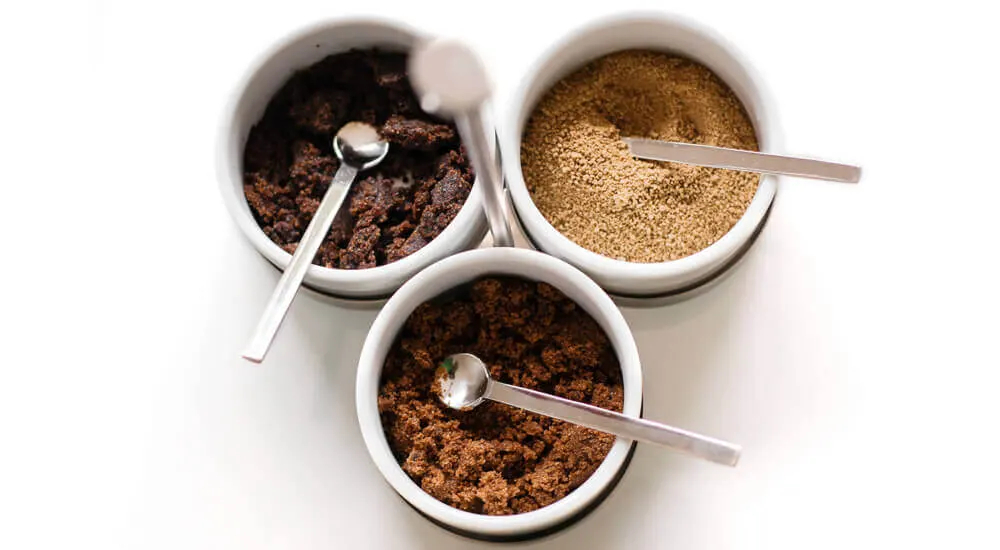
Various Sugar Alternatives
The motto is "Away with the sugar" and towards alternatives to harmful table sugar. Firstly, it is important to differentiate between sugar alcohols (sugar substitutes) and sugar replacements or natural sweeteners.
What are the alternatives to sugar?
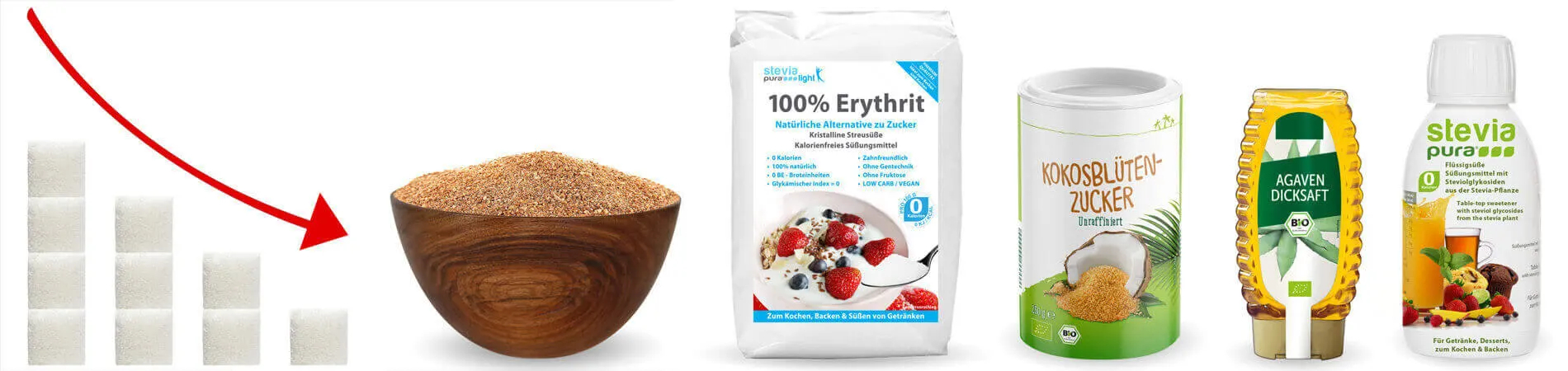
Nowadays, there are numerous ways to sweeten drinks and foods without using white table sugar. Here is an overview of the most popular sugar substitutes or alternatives.
Reducing Sugar Consumption and Using Alternatives
Maple syrup, erythritol, honey, and xylitol are examples of sugar substitutes.
These sugar substitutes usually represent calorie-containing alternatives whose use and properties are very similar to those of sugar. This includes maple syrup, erythritol, honey, and xylitol. They have a pleasant taste, are widely used, and generally have few side effects.
Sugar substitutes are often calorie-containing alternatives.
Studies show that natural honey interacts with blood sugar levels much more positively compared to regular sugar. People with blood sugar fluctuations can achieve more stable levels with honey. Similar effects can be seen with maple syrup.
Maple Syrup and Honey
Maple Syrup
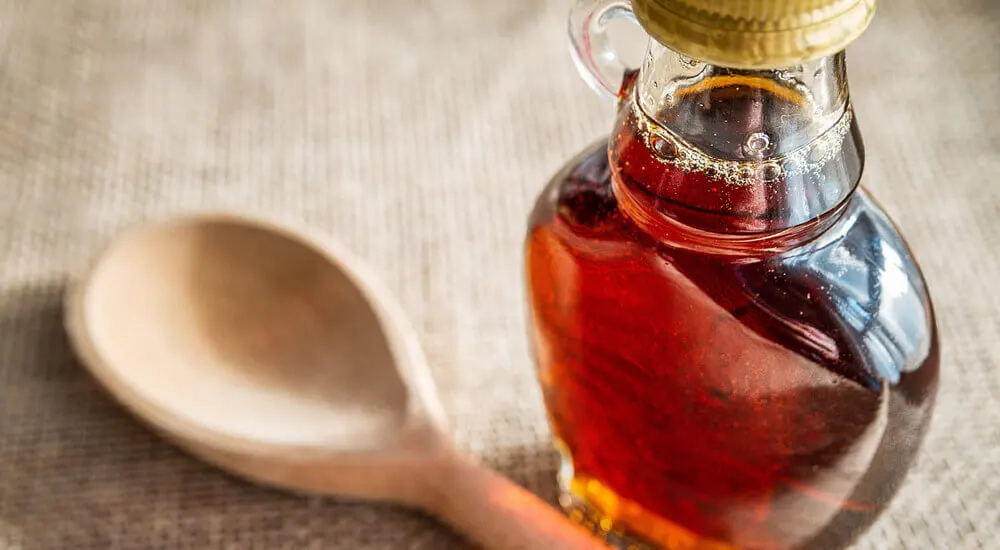

Maple syrup primarily consists of water, carbohydrates, and sugar. In maple syrup, the sugar content is roughly 88 to 90% sucrose and approximately 11% fructose and glucose. Additionally, maple syrup contains very small amounts of protein, minerals, and trace elements.
Since the amounts of minerals and trace elements are so small that they barely matter, maple syrup can hardly be classified as a healthy food.
Maple syrup causes the blood sugar level to rise more slowly than regular sugar. This is due to its lower glycemic load compared to sugar. The glycemic load is an indicator of the insulin requirement triggered by a food. Diabetics can also use maple syrup moderately for sweetening.
In terms of weight, maple syrup has fewer calories than honey or sugar due to its high water content.
Because it is less sweet than honey, people tend to use more maple syrup, which can result in a higher overall calorie intake.
In summary, maple syrup can be considered healthier than regular sugar due to its composition, but only if consumed in moderation.
Honey

Buy honey directly from the beekeeper!
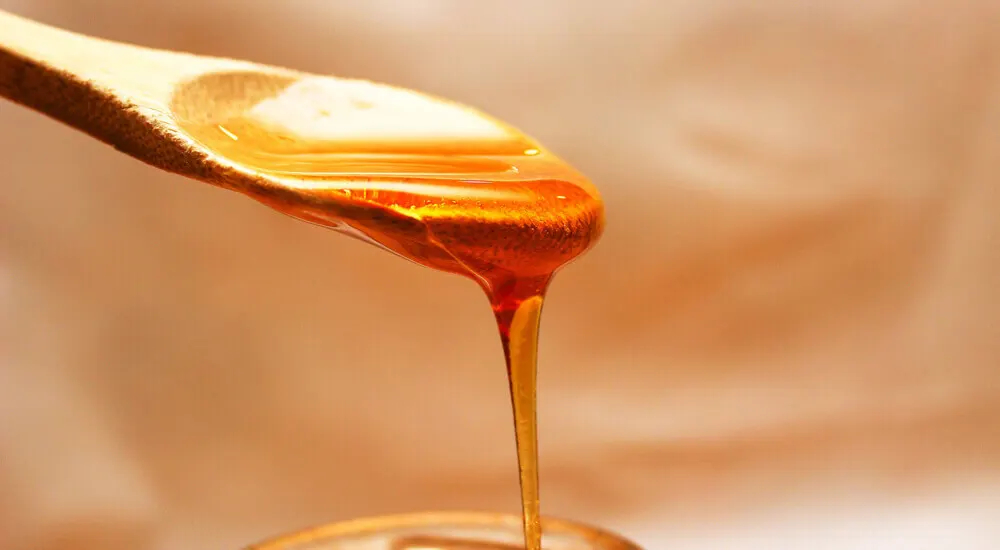
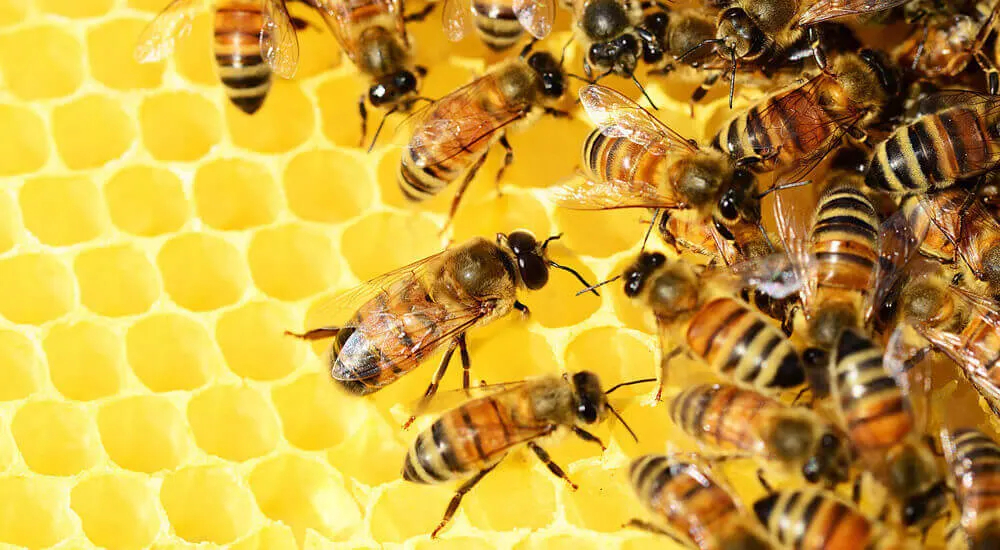
Honey (per 100 g: 306 Kcal, 75 g carbohydrates; of which 74 g sugar)
Honey is very popular due to its wide range of uses. Whether in yogurt, cereal, milk, or tea – honey adds a pleasant flavor to numerous dishes and beverages. Thanks to its healing properties, it is often referred to as liquid gold.
This food contains not only a variety of vitamins, minerals, and amino acids but also cell-protecting antioxidants that support the cardiovascular system. Additionally, honey offers anti-inflammatory and antibacterial properties, making it helpful for ailments like sore throats.
The sweetness of honey is about 80% that of table sugar. Caution: Honey contains both glucose and fructose, and excessive consumption can still be harmful.
Nevertheless, this natural sweetener is excellent for everyday use and as an alternative treat, since honey has several beneficial ingredients compared to sugar.
However, note that temperatures over 40°C can degrade some of these valuable nutrients.
When purchasing sugar substitutes such as honey and maple syrup, ensure they are of good quality, as there are significant differences.
For example, organic honey from a beekeeper is often much higher in quality than the cheaper, often blended varieties found in supermarkets.
Xylit | Birch sugar
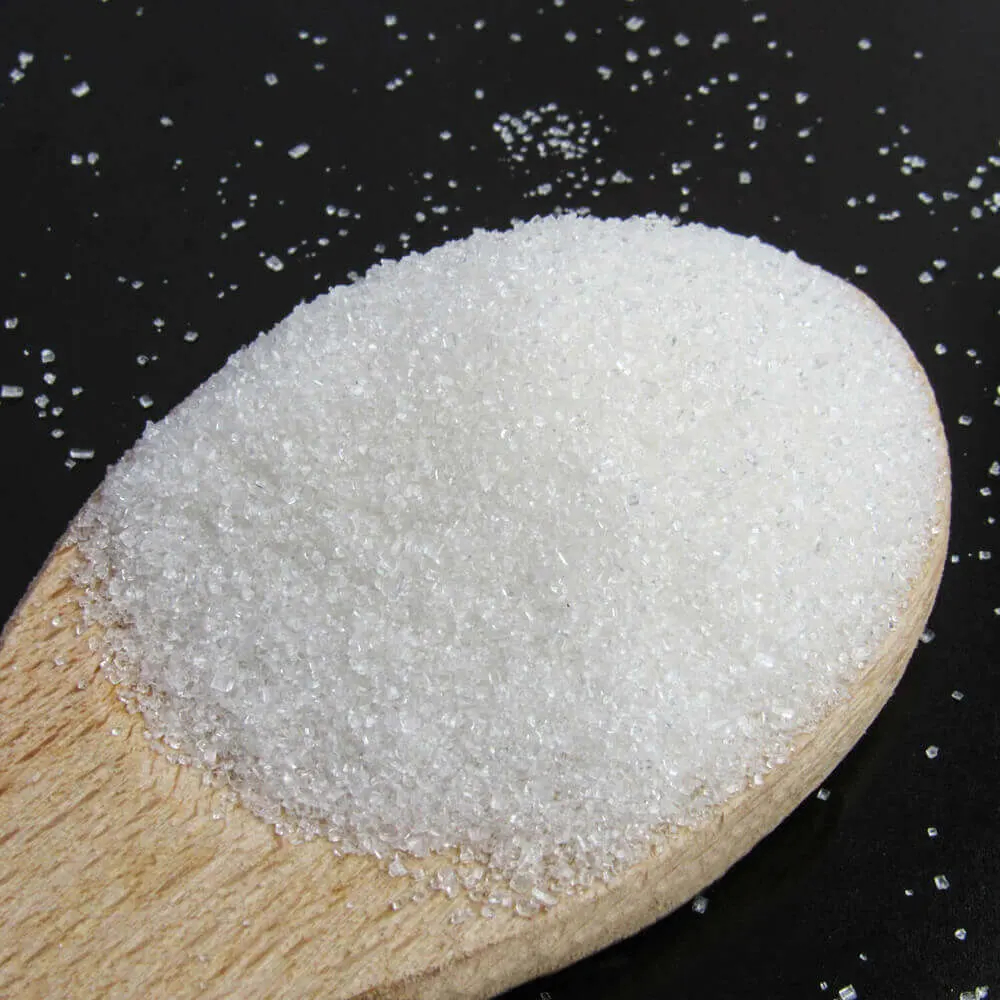
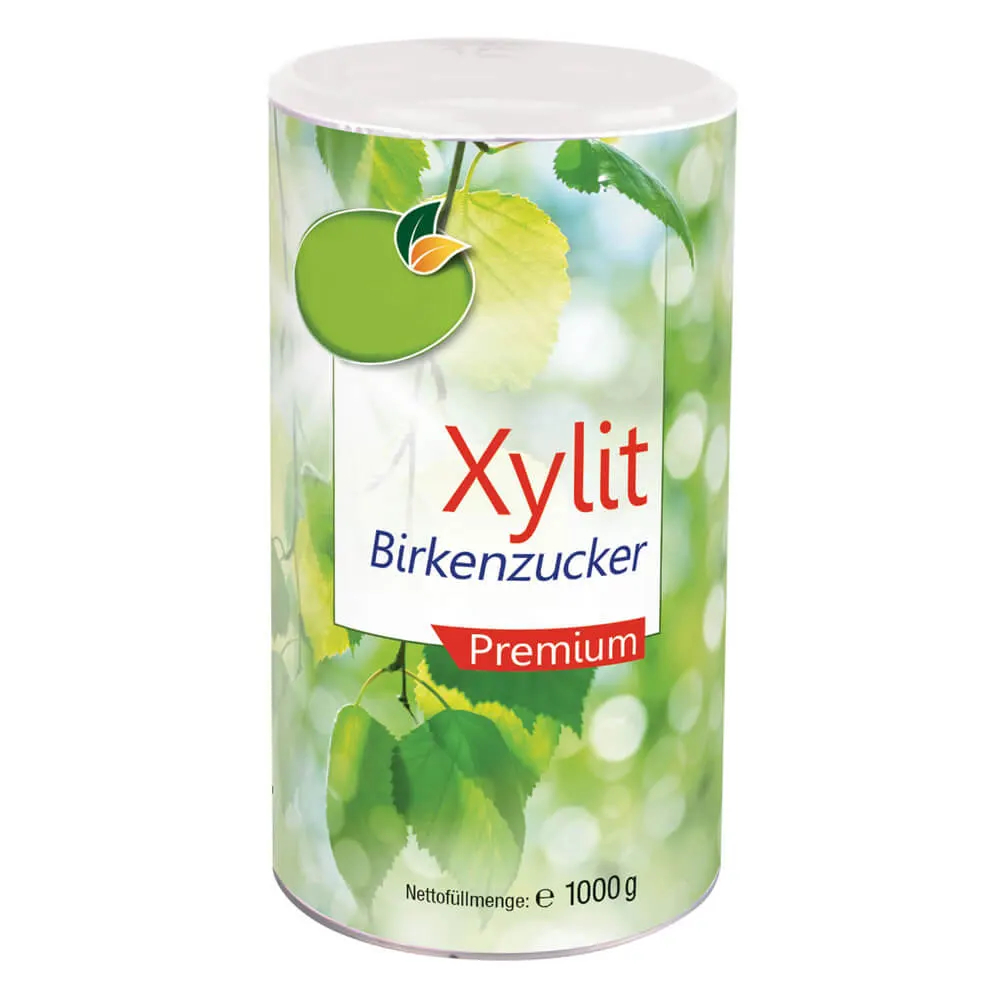
Birch Sugar – Xylitol (per 100 g: 240 Kcal, 100 g carbohydrates; of which 0 g sugar)
As the name suggests, Xylitol (Xylit) or birch sugar is derived from plant parts. It is often produced from corn dextrin and less commonly from birch. The production of this sweetener is quite complex. Xylitol has the same sweetness as regular sugar and is used in both foods and beverages, as well as in baking.
Despite its similar taste to table sugar, birch sugar has fewer calories. This sugar substitute also has a minimal effect on blood sugar levels and possesses cavity-reducing and anti-inflammatory properties.
However, there is a downside. Xylitol can cause bloating and diarrhea. Typically, the body quickly adjusts to Xylitol, but it is advisable to introduce this sugar substitute slowly. Adults should not consume more than 150g per day.
Contrary to popular belief, birch sugar (Xylitol) is not primarily derived from Finnish birch but is often made from corn. Organic birch sugar mostly comes from China.
The caloric content of this sugar alternative is roughly 40% less than that of regular sugar.
Erythritol
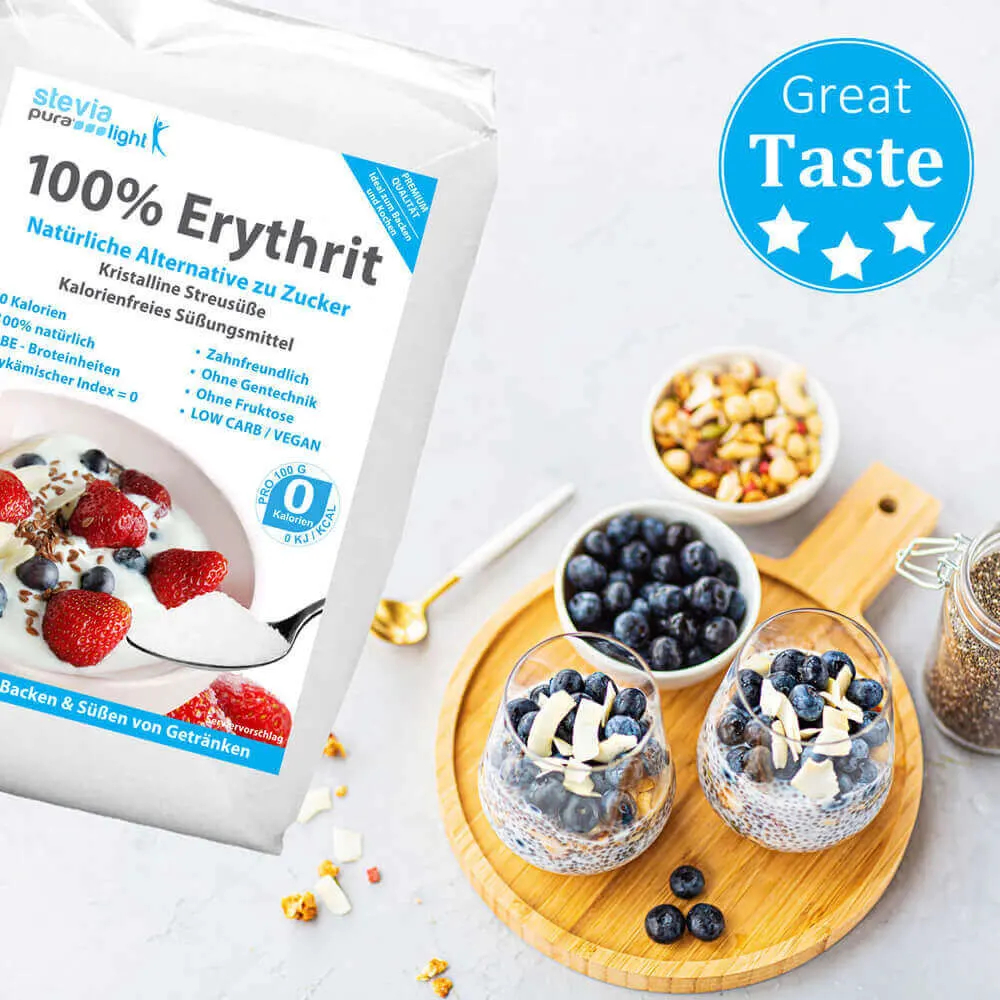
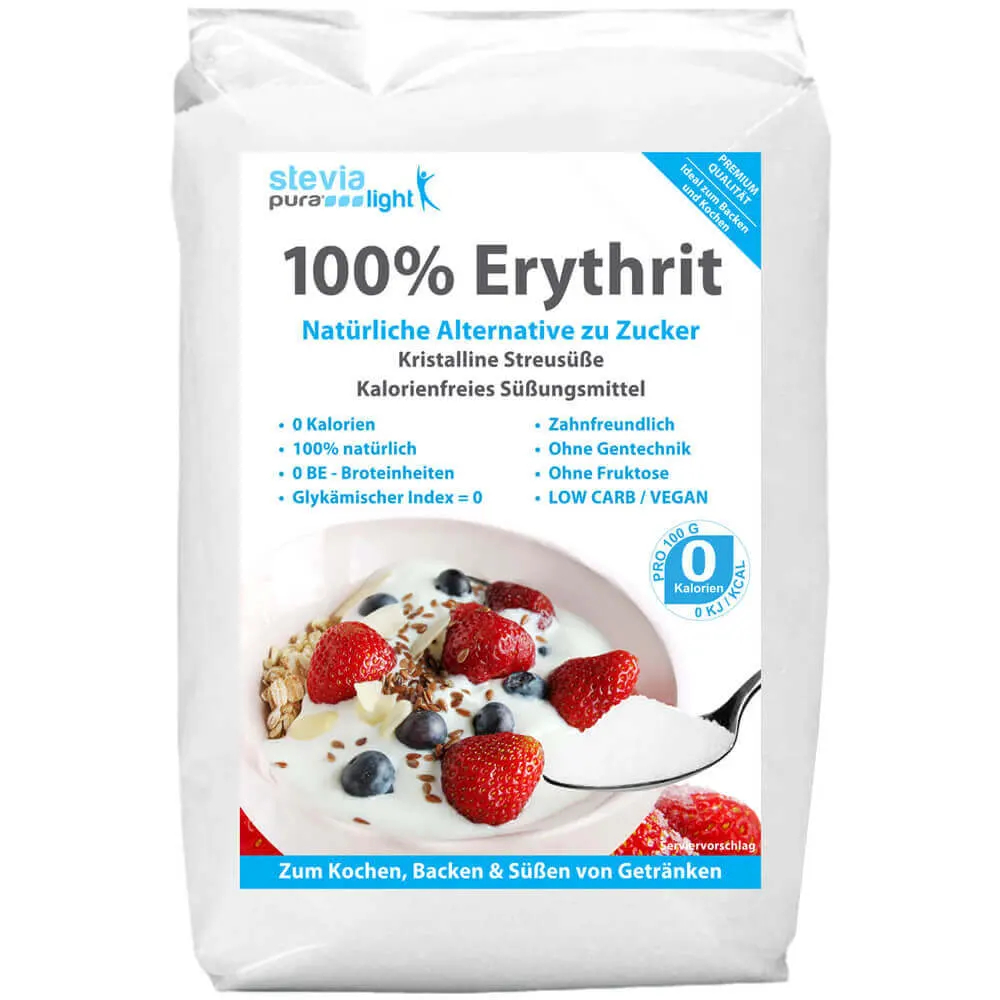
Erythrit as a sugar substitute is suitable for diabetics.
Erythritol is also one of the well-known sugar alcohols. This sweetener occurs naturally in ripe fruits and is obtained through the fermentation of carbohydrates. Erythrit, also known as Erythritol, offers better tolerance and additional benefits compared to other sugar alcohols. With a glycemic index of zero, erythritol does not affect blood sugar levels and contains no calories, making it an ideal sugar substitute for diabetics, as erythritol is metabolized independently of insulin.
For those with fructose intolerance, erythritol is an excellent sugar alternative, as it does not affect glycogen metabolism and is free of fructose.
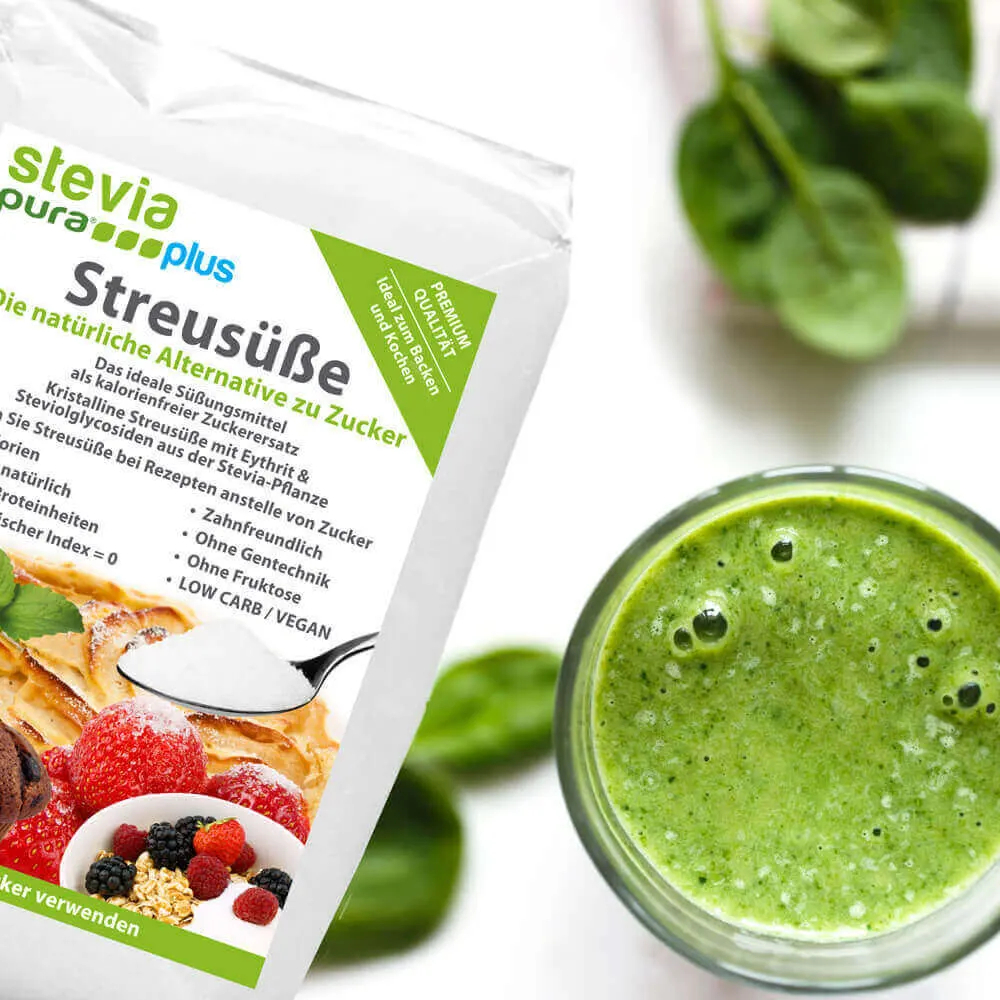
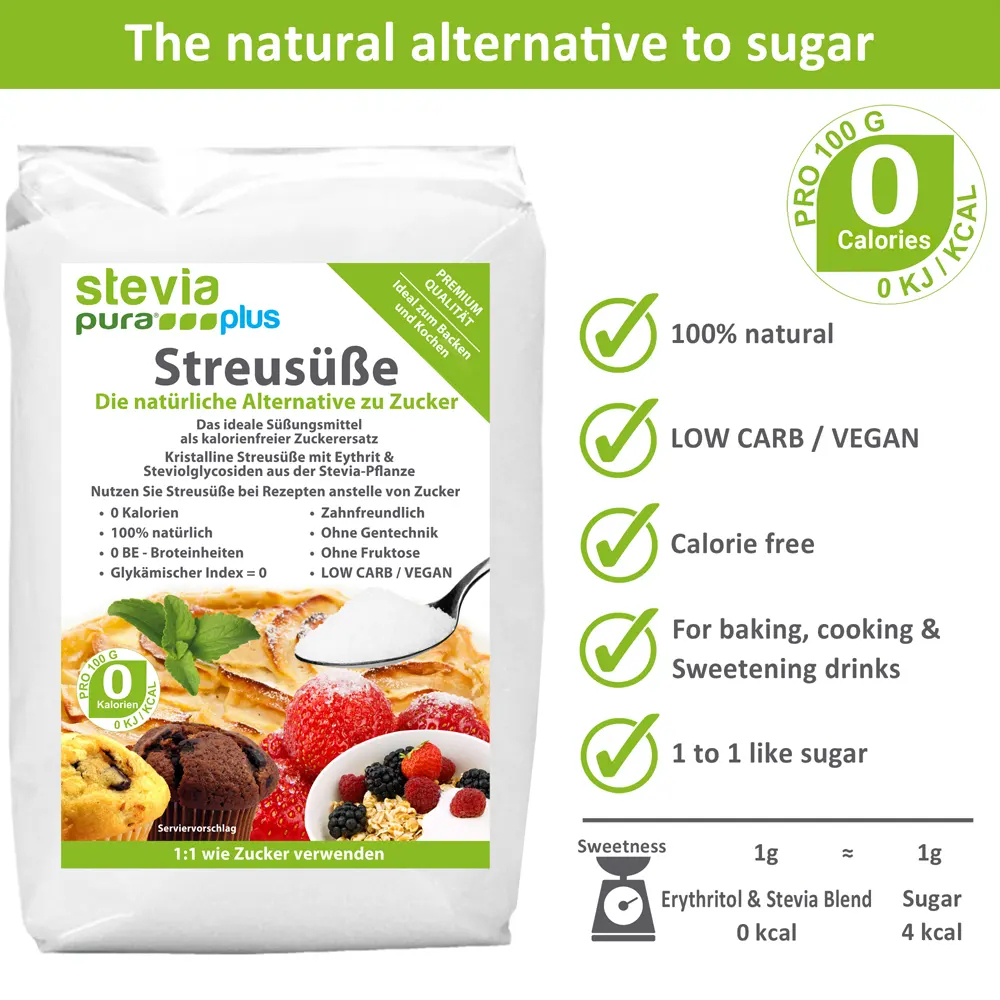
Erythritol is also a tooth-friendly sugar substitute that helps maintain tooth mineralization. When combined with Stevia as a granular sweetener, erythritol has the advantage of being used in a 1:1 ratio like sugar. This granular sweetener is thus significantly more economical in use than pure erythritol or xylitol.
Did you know?
These sugar substitutes are often portrayed as healthier than they actually are: for example, agave syrup, date syrup, and coconut blossom syrup! Although they are frequently marketed as "superfoods," they contain much more fructose than sucrose. Essentially, these products are composed of cane sugar and contain only a few nutrients.
"Superfood" is a marketing term, not a scientific one. The alleged benefits of superfoods are not scientifically proven. In the October 20, 2016 issue, Ökotest tested 21 so-called superfoods and labeled them as "Supertox." It is better to maintain a healthy and balanced diet with fresh fruits and vegetables.
nativtext Sweetening without Sugar – Coconut Blossom Sugar

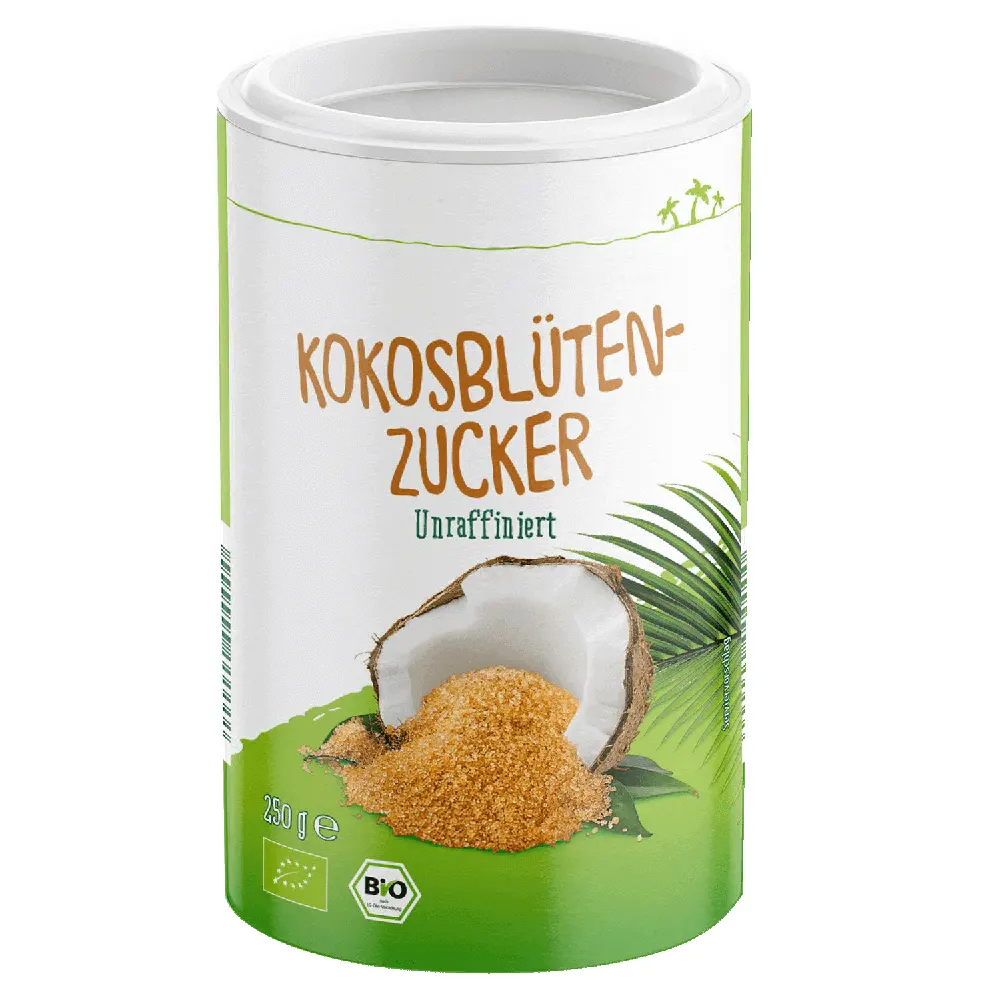
Coconut Blossom Sugar (per 100 g: 380 Kcal, 94 g carbohydrates; of which 94 g sugar)
This special type of sugar is painstakingly harvested from the blossoms of the coconut palm. Coconut blossom sugar contains a number of important antioxidants, vitamins, and minerals such as magnesium, iron, and zinc. Consuming coconut blossom sugar leads to only a slight increase in blood sugar levels, and the hormone insulin is released slowly. Subsequently, blood sugar levels also decline slowly.
Coconut blossom sugar has approximately the same sweetness as white table sugar. Taste-wise, this sugar substitute is more reminiscent of caramel than coconut. Coconut blossom sugar is excellent for cooking, sweetening hot beverages, and making desserts.
When cooking, it should be noted that this sweetener dissolves very slowly. Many manufacturers dilute their products with cane sugar, which is why coconut blossom sugar is not healthier than table sugar: Öko-Test reported this in the April 2021 issue of the ÖKO-TEST magazine.
It is important to pay attention to the purity of the sugar when purchasing. Although coconut blossom sugar boasts several beneficial ingredients, its calorie content is comparable to that of table sugar.
Sweeteners: Aspartame, Cyclamate, Sucralose, Acesulfame-K, Saccharin, and Stevia
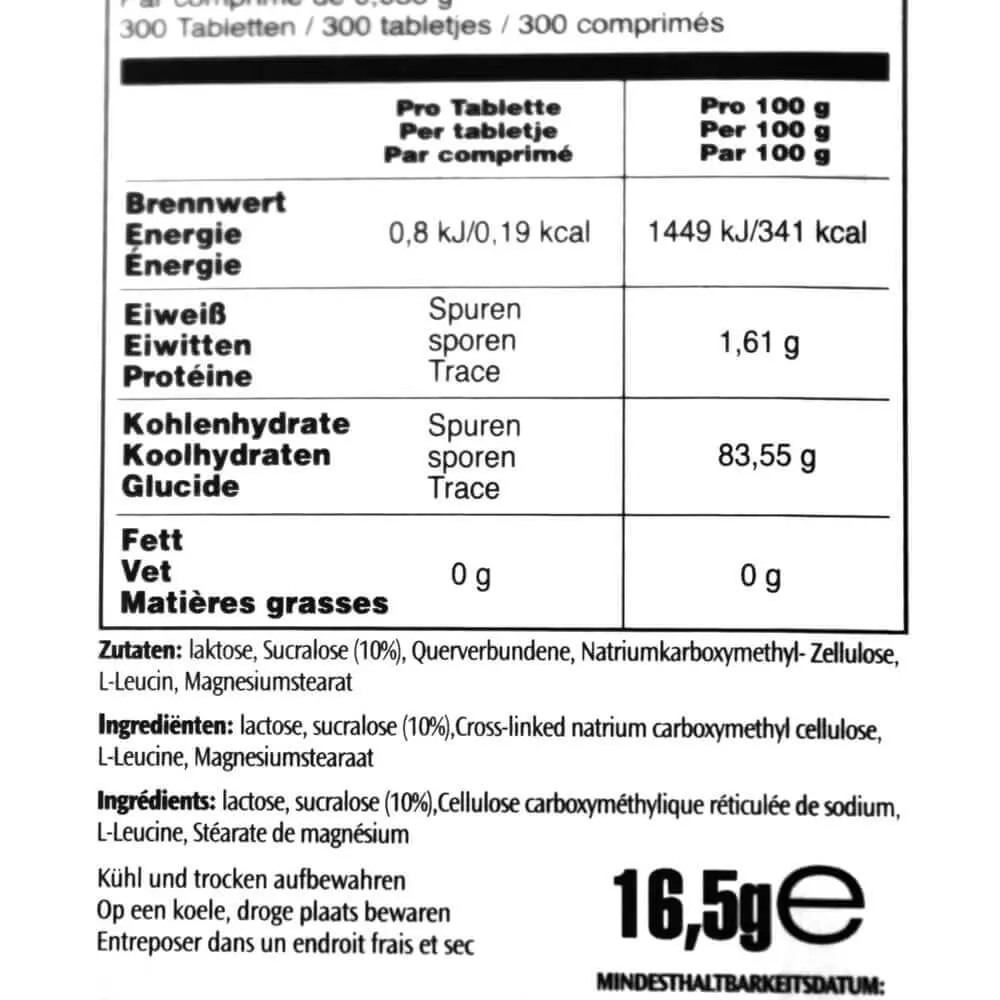
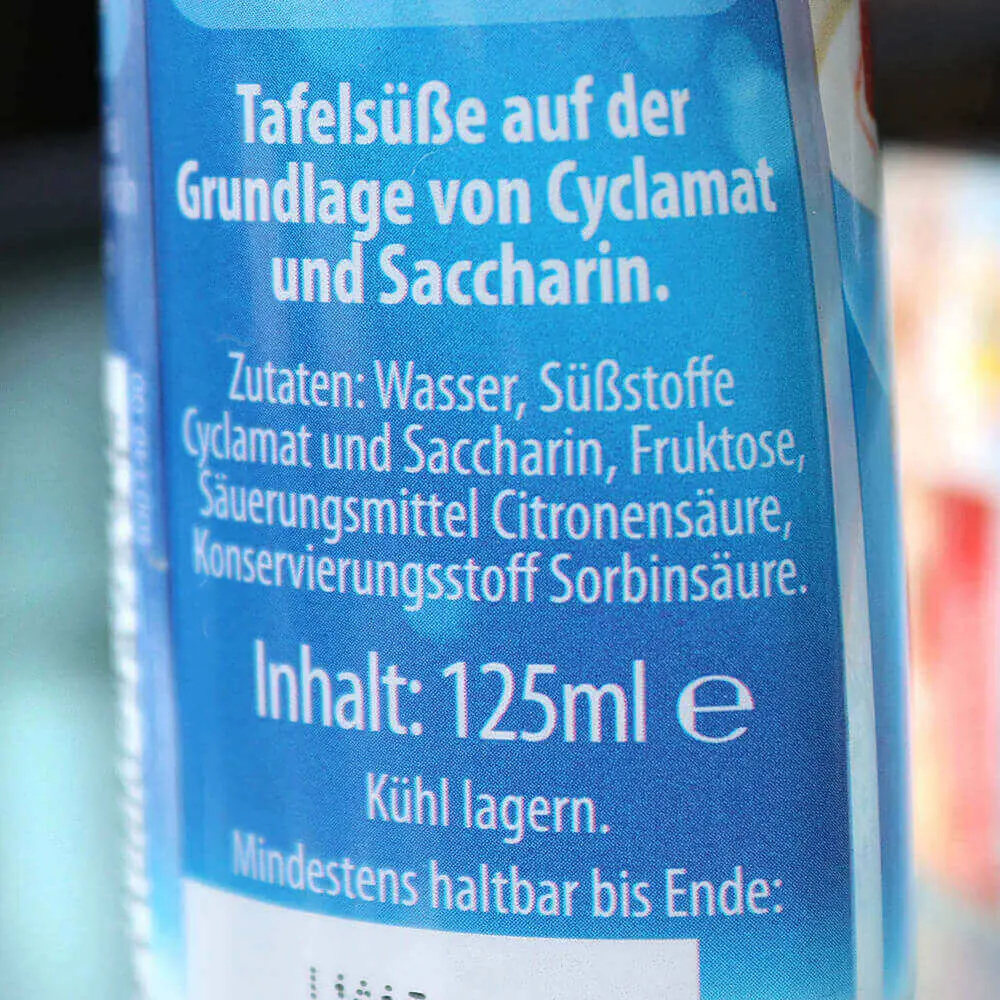
Sweeteners and sugar substitutes have no calories and offer a much higher sweetness level compared to sugar. For this reason, they are also known as intense sweeteners.
A distinction is made between natural sweeteners, which occur in nature, and artificial sweeteners, which are synthetically produced.
However, experience has shown that artificially produced sweeteners like aspartame, cyclamate, sucralose, acesulfame-K, and saccharin can cause side effects in the long run, as the human body is not naturally accustomed to them.
Many of these sweeteners have not been sufficiently studied to rule out potential long-term effects and provide an unconditional recommendation. Therefore, each consumer should make their own decision regarding their use.
Artificial sweeteners with high intensity include, among others: aspartame, acesulfame-K, cyclamate, saccharin, and sucralose.
Stevia, the natural sweetener
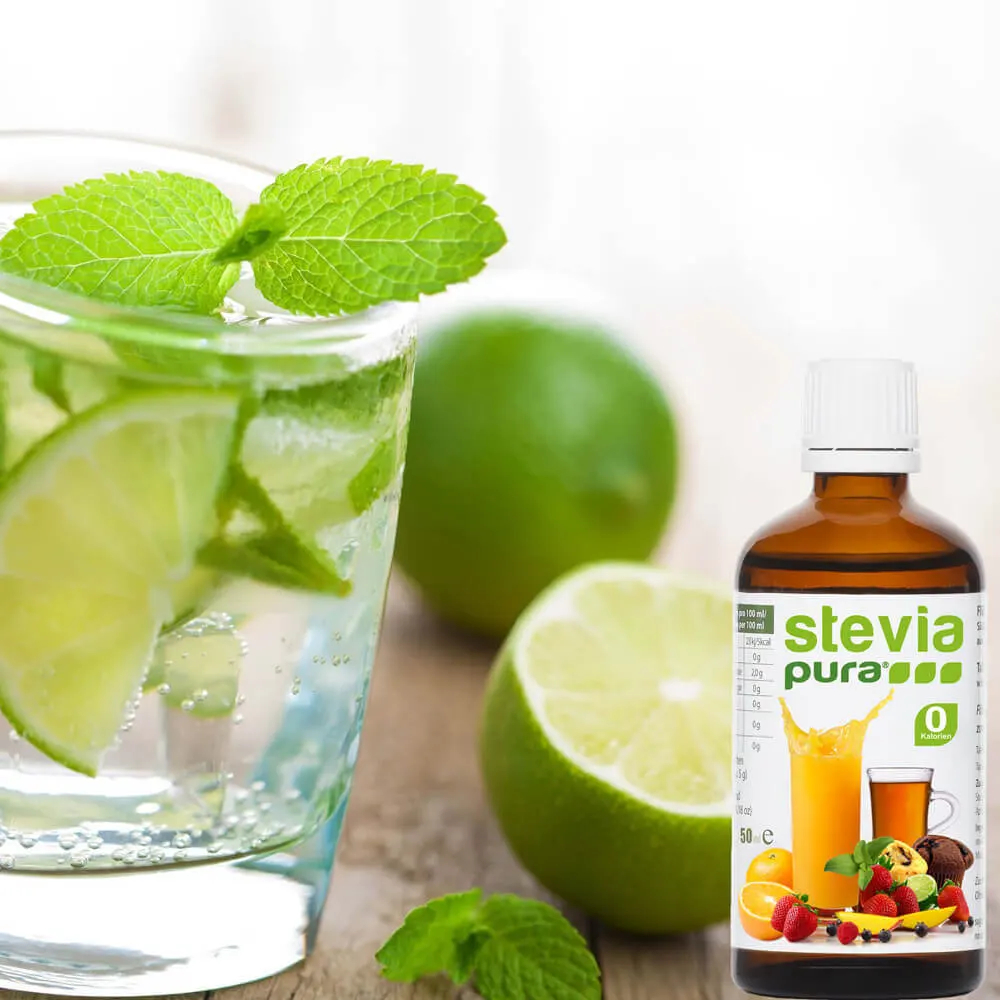
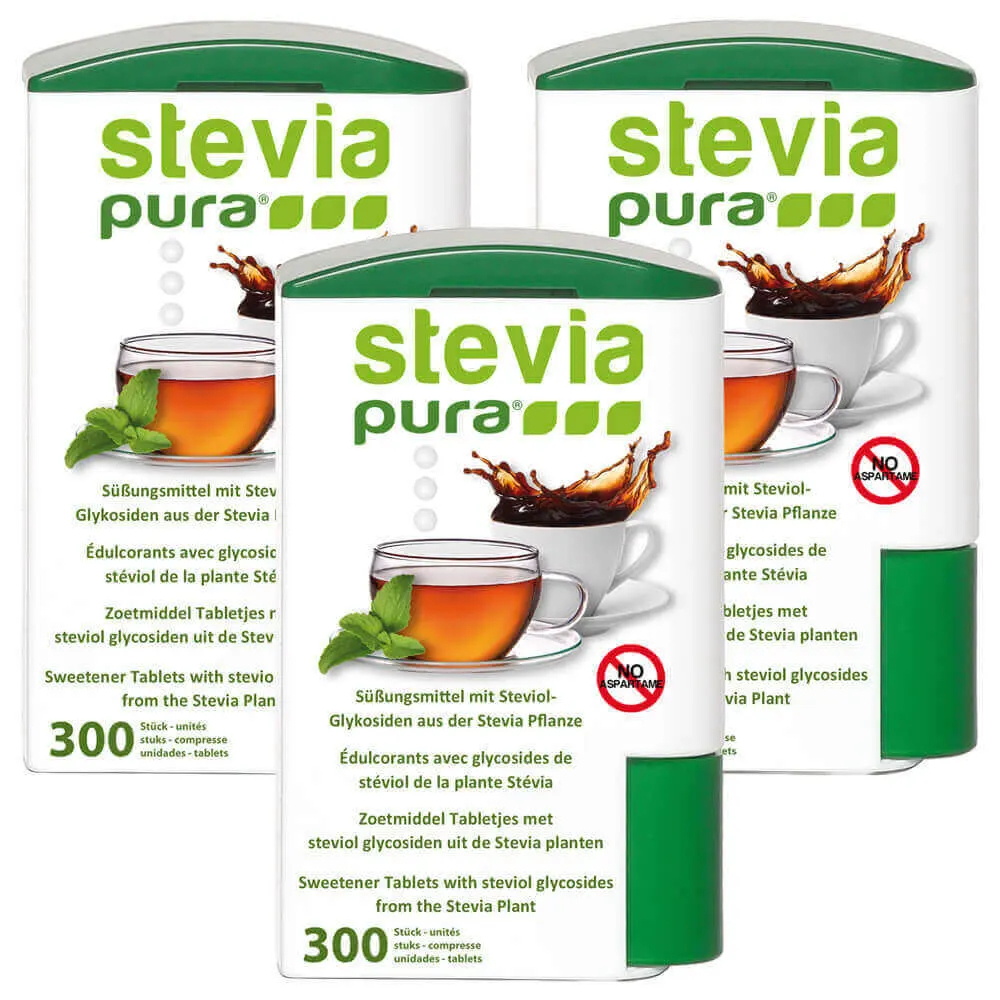
Stevia (per 100 g: 0 Kcal, 0 g carbohydrates)
The sweetener Stevia is naturally extracted from the plant of the same name.
The sweetness of Stevia is up to 450 times higher than that of industrially produced table sugar. Unlike sugar, Stevia is particularly tooth-friendly and reduces the risk of cavities.
For diabetics, it is also noteworthy that Stevia does not affect blood sugar levels. This sugar substitute can be used to sweeten beverages and cereal, as well as to season both hot and cold dishes.
Stevia is also excellent for baking. However, it should be noted that this natural sweetener does not have the same baking properties as table sugar.
If overused or if the product is of poor quality, Stevia can leave a bitter aftertaste.
Some manufacturers add cheap fillers or even sugar to their products. Therefore, it is important to check the ingredients when purchasing a Stevia product.
Fruits: Muesli or porridge can be wonderfully sweetened with fresh fruit.
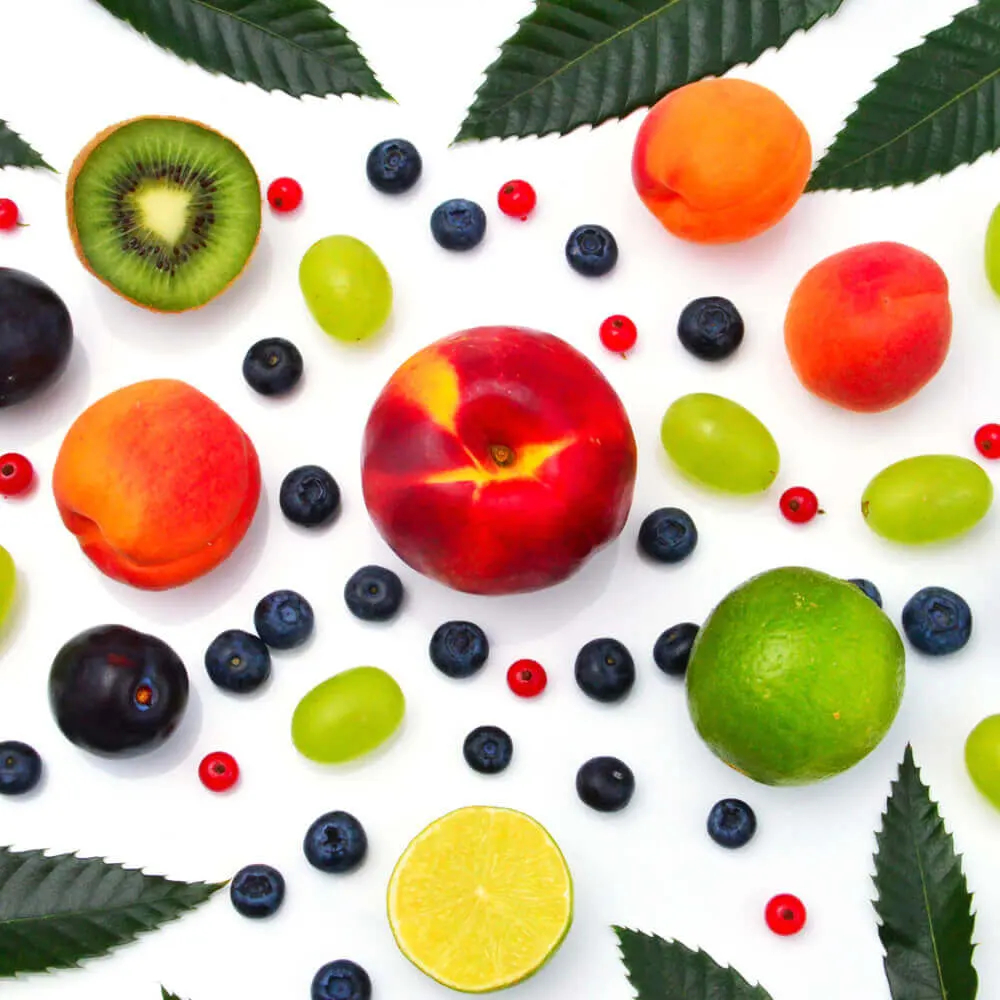
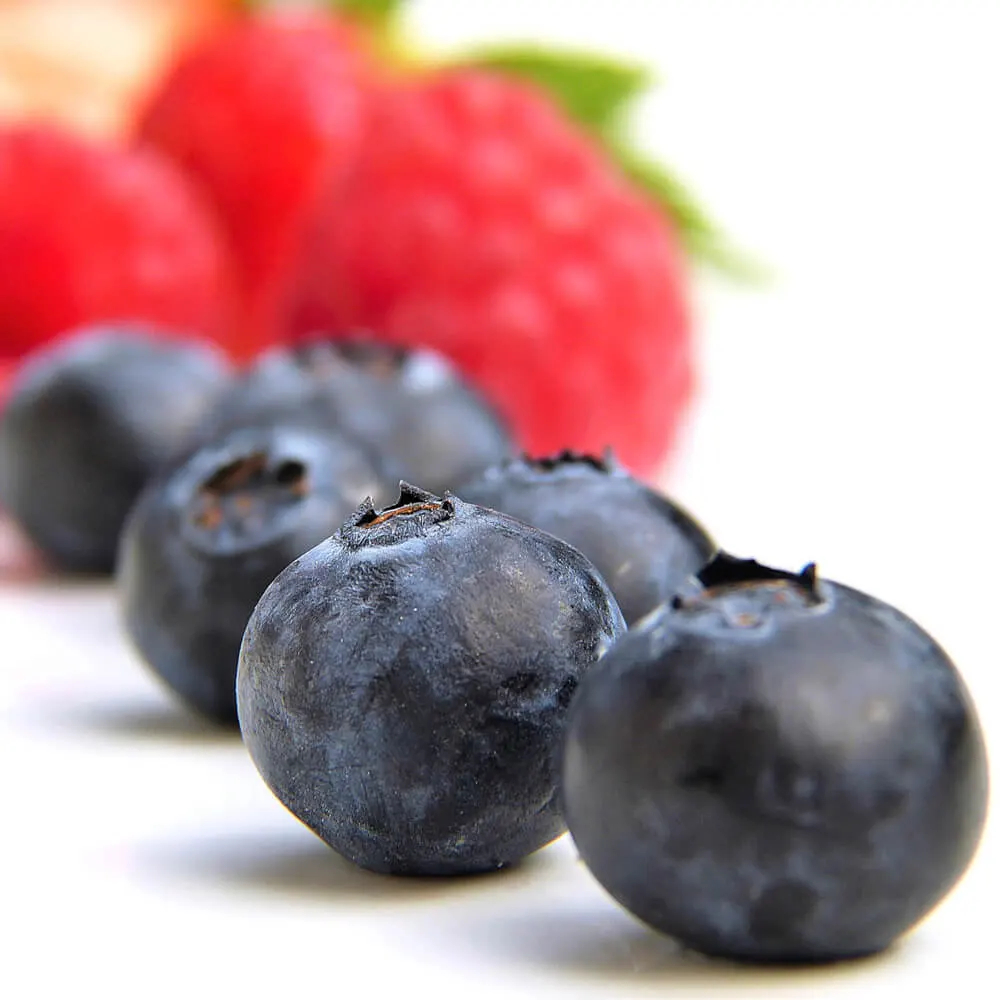
Ripe fruits can also be wonderfully used for sweetening. Bananas provide not only the desired sweetness but also essential minerals such as potassium and magnesium, as well as a substantial amount of energy. Per 100 grams, bananas offer about 90 Kcal and 23 grams of carbohydrates.
Dates, which store very well, come in various forms. Whether very sweet, dry, or with a hint of caramel, dates are versatile and can be used for coffee, tea, cakes, or desserts.
In addition to their sweetness, dates offer numerous valuable nutrients, including vitamins, antioxidants, fiber, and minerals.
With an energy value of 280 Kcal per 100 grams, dates are a relatively calorie-dense sugar alternative. They provide about 75 grams of carbohydrates per 100 grams. To sweeten dishes, you can simply mash dates with a fork or puree them in a blender and then mix them into the dishes.
Conclusion
Treats like cakes, sweetened teas, or desserts can be integrated into a healthy diet. The choice of the right sugar substitute is crucial. There are numerous plant-based and natural sweeteners that contain healthy nutrients and can even have health-promoting effects.
Therefore, it is worthwhile to explore different sweeteners rather than completely giving up sweets and other treats.