Exploring Sugar Alternatives: What Options Are Available as Replacements?
Since a World Health Organization report in March 2015, it is recommended to limit daily sugar intake to 5% of total calories, which equates to about 25 grams. For comparison, a cup of fruit yogurt alone contains 18 grams of sugar. A drastic reduction in sugar intake is necessary, as currently, each person consumes about 90 grams per day on average.
Numerous substitutes for sugar are available, but some have similar disadvantages, such as causing weight gain, dependency, and health problems. Substances like isomaltulose and aspartame are synthetically produced in laboratories. Although their long-term effects are not yet fully researched, it is already known that they can potentially harm the nervous system and may be carcinogenic. They are also used in animal fattening.
Agave syrup is another option, but despite its natural appearance, it is processed using chemical methods and has a caloric content similar to conventional sugar due to its high fructose content.
Honey is also not a one-to-one alternative to sugar, as it is composed of the same sugar types, glucose and fructose, which have similar effects, including raising blood sugar levels, potentially leading to cravings.
In contrast, rice syrup could be a useful alternative, as it does not significantly raise blood sugar levels and is also fructose-free. Coconut sugar is another consideration, as it is low in fructose and provides many vitamins and minerals. Moreover, it has a low glycemic index.

WHO | World Health Organization
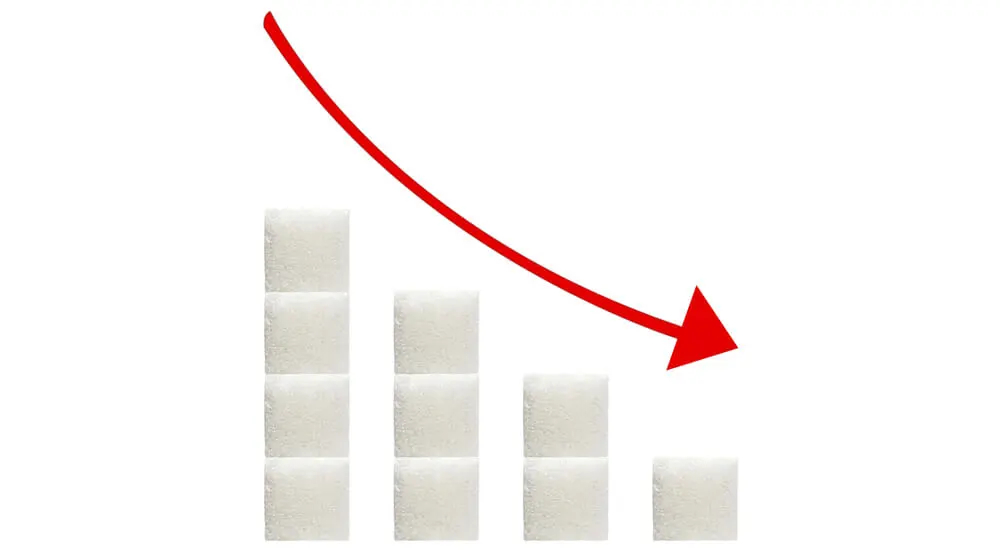
Minimize Your Sugar Consumption!
When sweetening without conventional sugar, birch sugar, erythritol, and stevia offer natural alternatives.
Stevia is extracted from the South American plant Stevia rebaudiana, while erythritol and birch sugar (also known as xylitol) are naturally occurring sugar alcohols that have no intoxicating effect. Combined, all three can serve as excellent sugar substitutes.
How are erythritol, stevia, and xylitol used?
These alternatives are excellent for weight loss and beneficial for diabetics and people with fructose intolerance. Particularly, stevia and erythritol are ideal for losing weight since they have no caloric content.
All three sugar substitutes are versatile: they can be used to sweeten foods and beverages, and even in baking. Differences exist in terms of sweetness: birch sugar (xylitol) has the same amount and sweetness ratio as conventional sugar. On the other hand, stevia, with up to 450 times the sweetness, is often mixed with sugar-containing fillers or erythritol. Therefore, it's important to check the ingredients when purchasing stevia products.
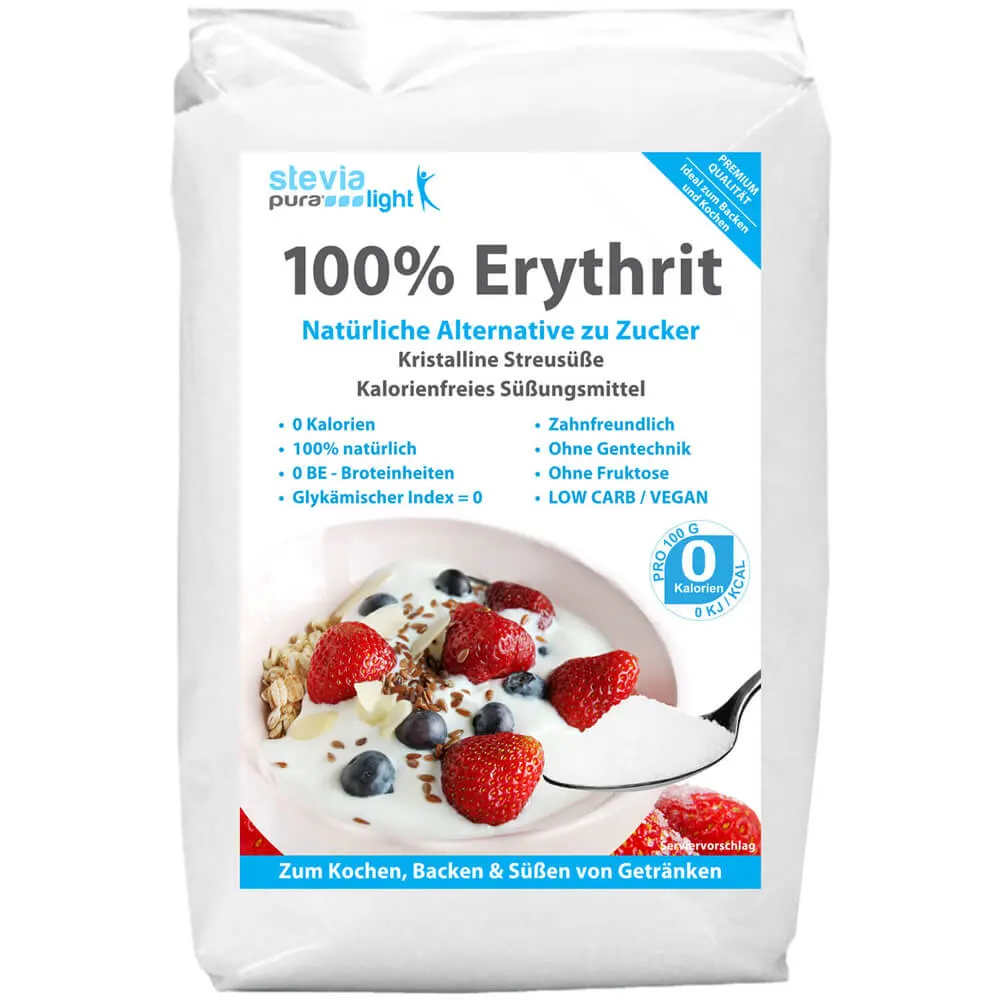
Erythritol as a Sugar Substitute: Natural and Additive-Free
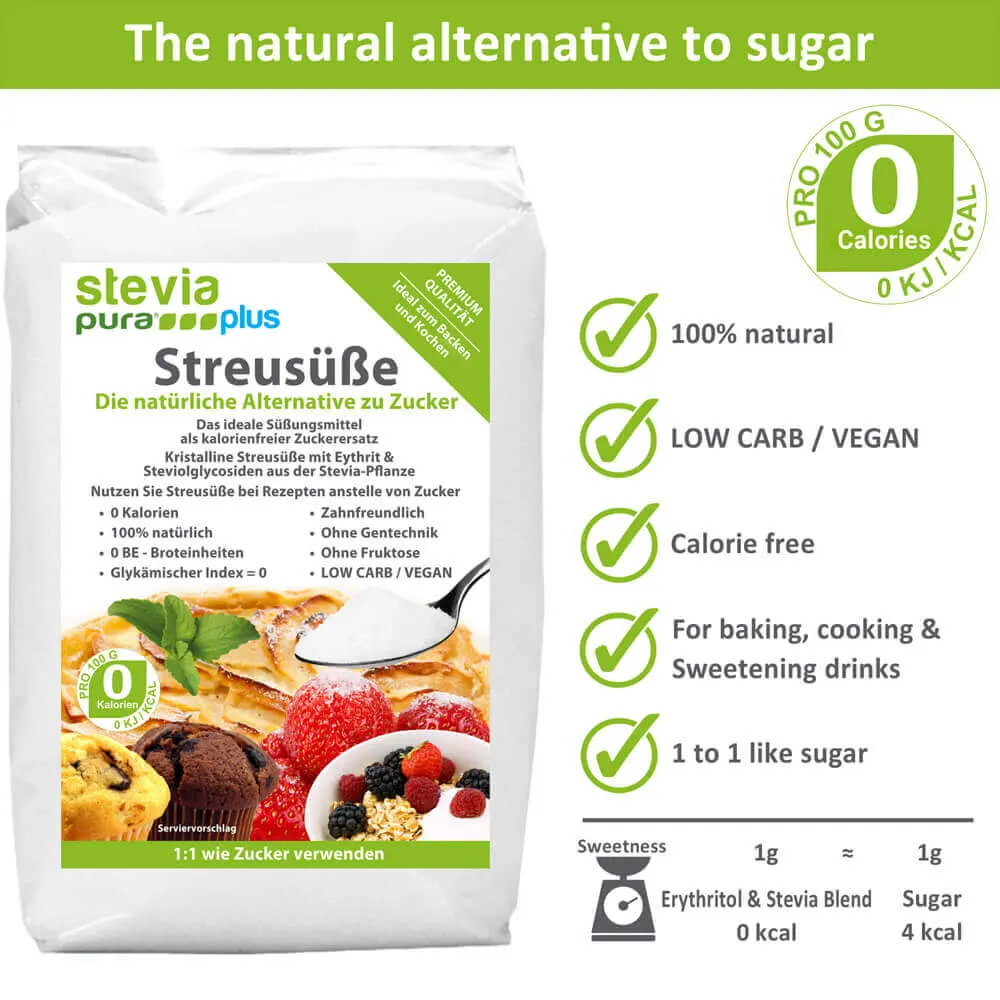
Erythritol & Stevia as a 1:1 Alternative to Sugar
Why Stevia is Advantageous as a Sugar Substitute
Stevia is derived from a plant native to South America, with its natural sweetener also known as stevia. Since 2011, stevia extracts have been approved for use in Europe, providing a calorie-free sweetness that also does not cause tooth decay. Numerous stevia products and stevia-based sweeteners are available on the market. However, be mindful of the composition: many of these products are significantly mixed with sucrose, often up to 98%, which makes them not entirely calorie-free.
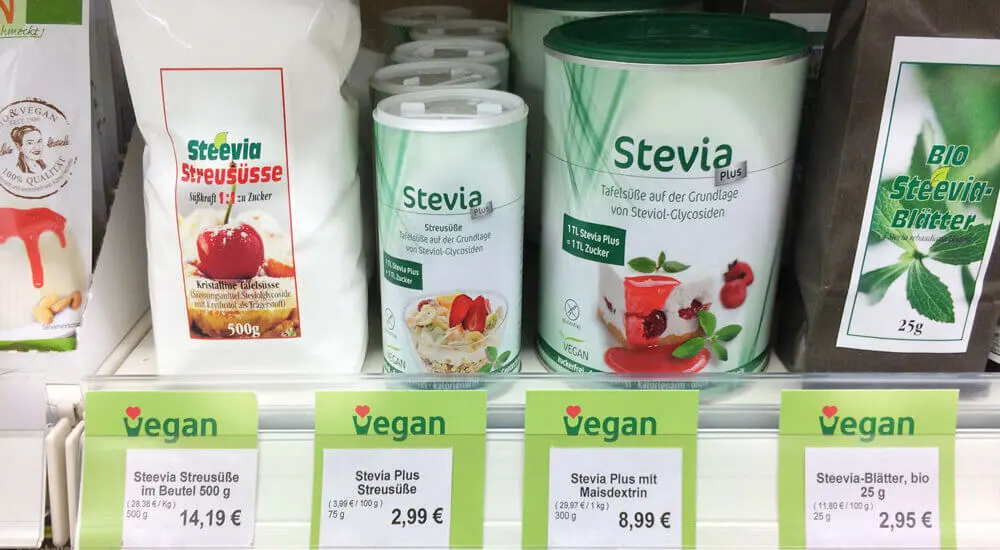
Stevia products in stores
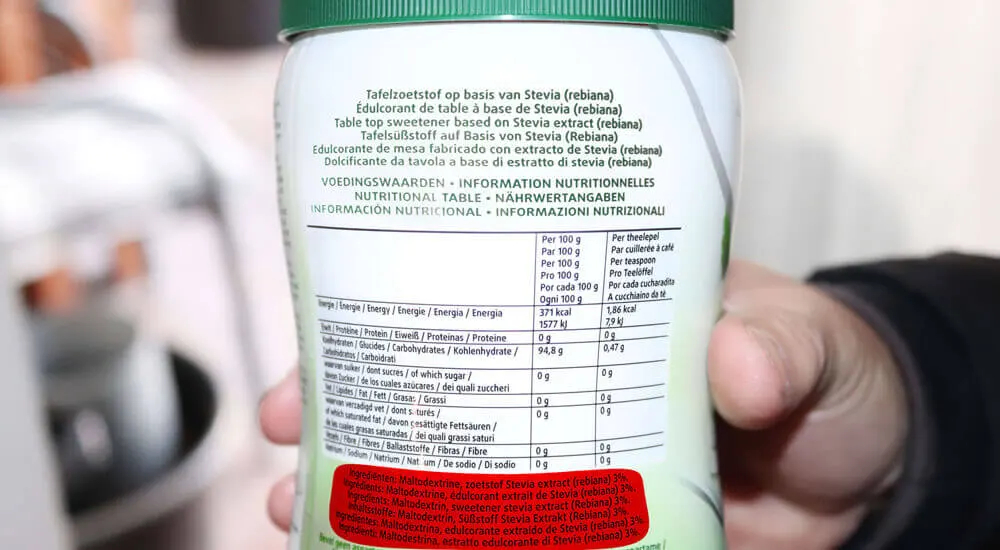
Stevia Products in Stores Containing Maltodextrin
Why Are Calories Added to a Calorie-Free Sweetener Like Stevia?
This is often done to mask the bitter taste of lower-quality stevia extract. Cheaper additives like fructose, dextrose, or maltodextrin are also used for cost reasons, as they are less expensive than high-quality stevia extract. Therefore, it is important to check the ingredient list when purchasing to ensure you are getting pure stevia.
Sweeteners from the Stevia Plant
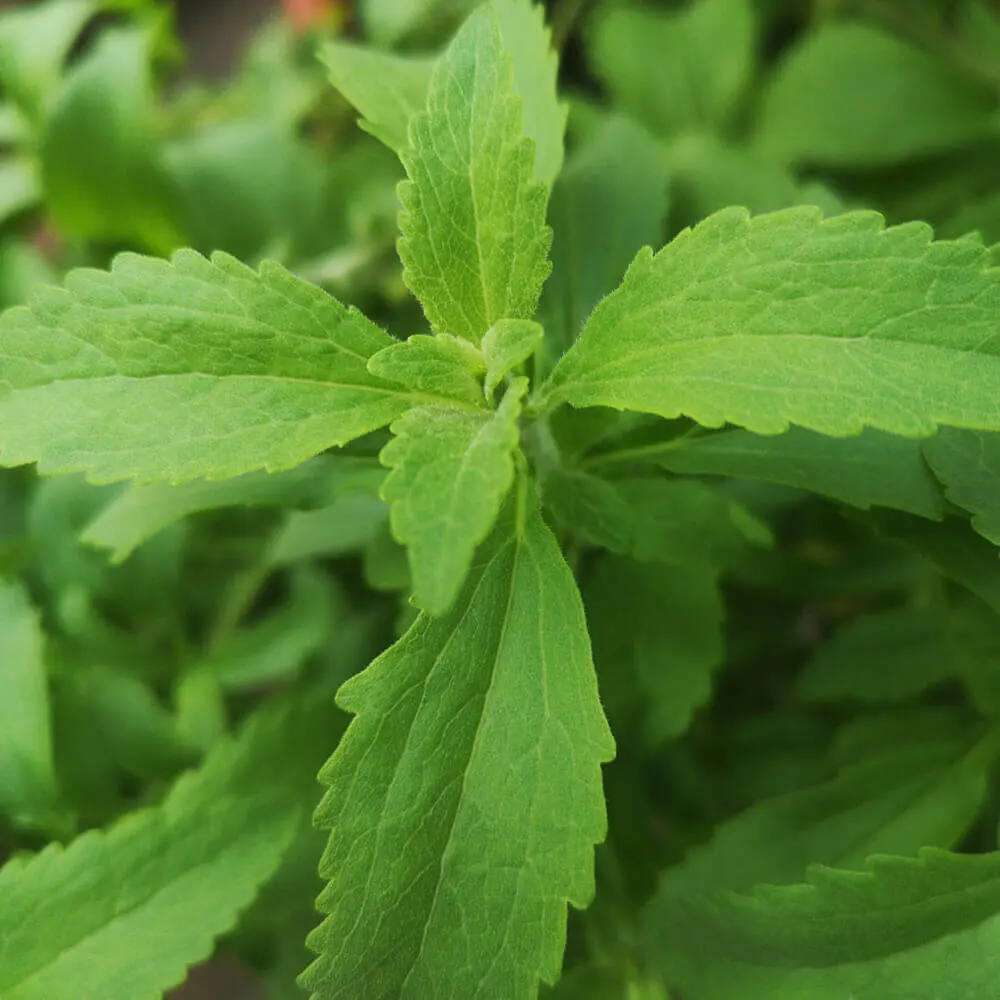
The Stevia Plant
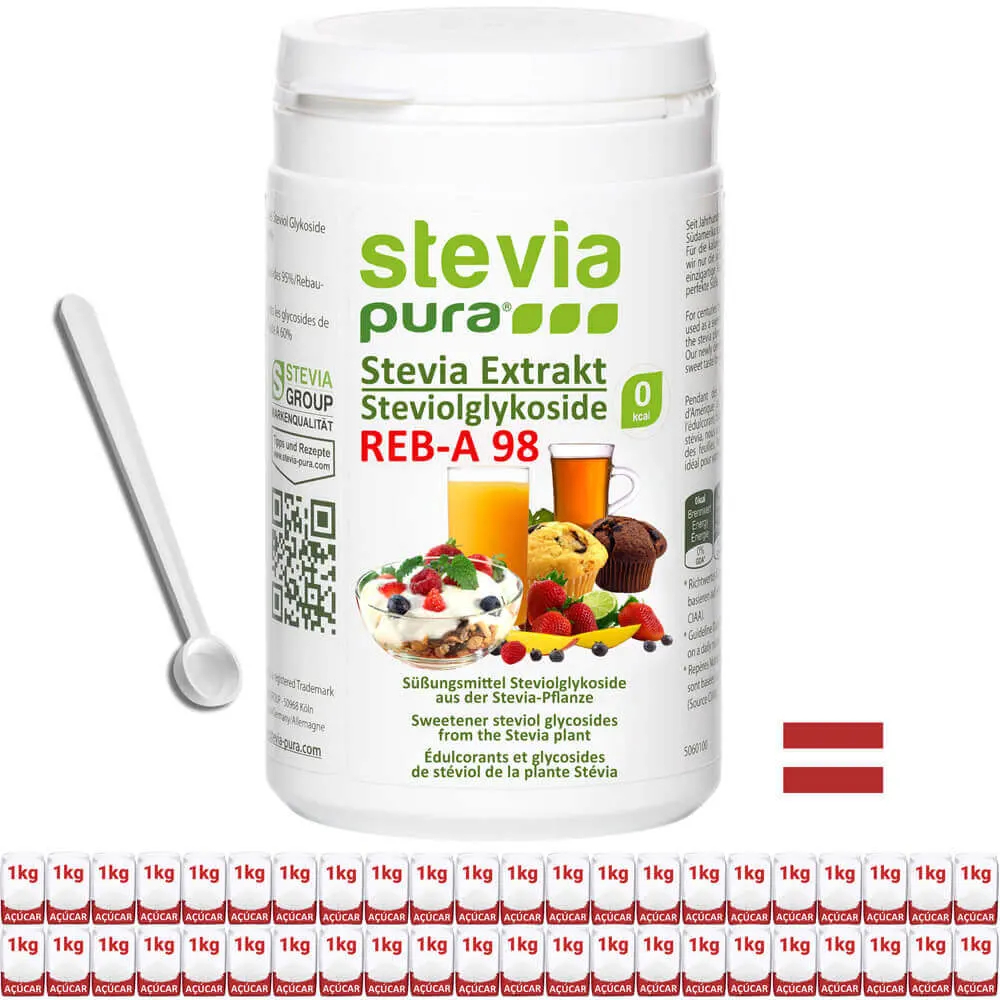
Pure Stevia Extract from the Stevia Plant
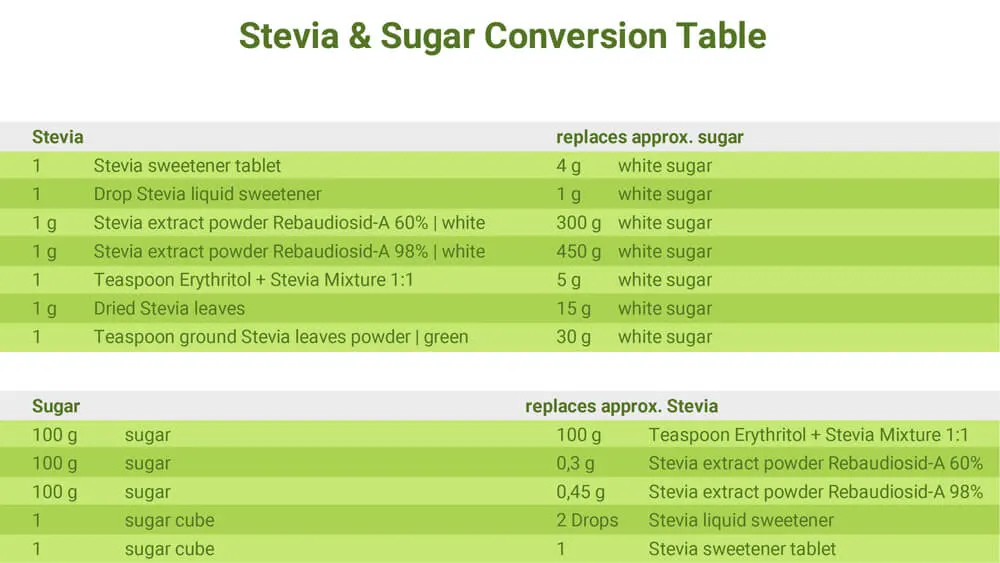
The leaves of the Stevia plant, also known as sweet herb, contain the sweet compounds Stevioside and Rebaudioside A, which have up to 450 times the sweetness of sugar. One gram of pure Stevia extract (Rebaudioside-A98%) is equivalent to approximately 450 grams of sugar.
Due to its intense sweetness, this pure sweetener should be used very sparingly, ideally with a mini measuring spoon. For baking recipes, the necessary volume is often missing, which is why fillers are frequently added to Stevia products. Manufacturers often use fructose, maltodextrin (which is high in calories), or other sugar types.
Stevia products enriched with plant fibers or the calorie-free erythritol do not pose a problem.
Does Stevia Have a Bitter Aftertaste?
The taste quality of the steviol glycosides is crucial. Stevioside has a slightly bitter aftertaste, while Rebaudioside A tastes sweet. Ensure that the Rebaudioside A content in pure Stevia extract ranges between 60% and 98%. These are free from bitterness and have a pleasant taste.
Purchase pure Stevia online.
You can acquire Stevia sweeteners affordably and in good quality as Stevia sweetener tablets, dried Stevia leaves, Stevia powder, and crystalline sweeteners online at Stevia-pura.
The correct dosage of Stevia powder or liquid concentrate.
Follow the principle: less is more, and dose carefully.
Stevia in liquid form (fluid) is highly concentrated, with two drops equivalent to one teaspoon of sugar. The sweetness of a 150 ml bottle corresponds to about 2.5 kilograms of sugar.
One Stevia sweetener tablet has the sweetness equivalent to approximately 5 grams of sugar.
To sweeten a cup of tea with Stevia powder (pure Stevia extract Reb-A98%) with a purity of 95%, only 1/4 of a mini measuring spoon is needed. One teaspoon (5 ml) corresponds in sweetness to approximately 2.25 kilograms of sugar.
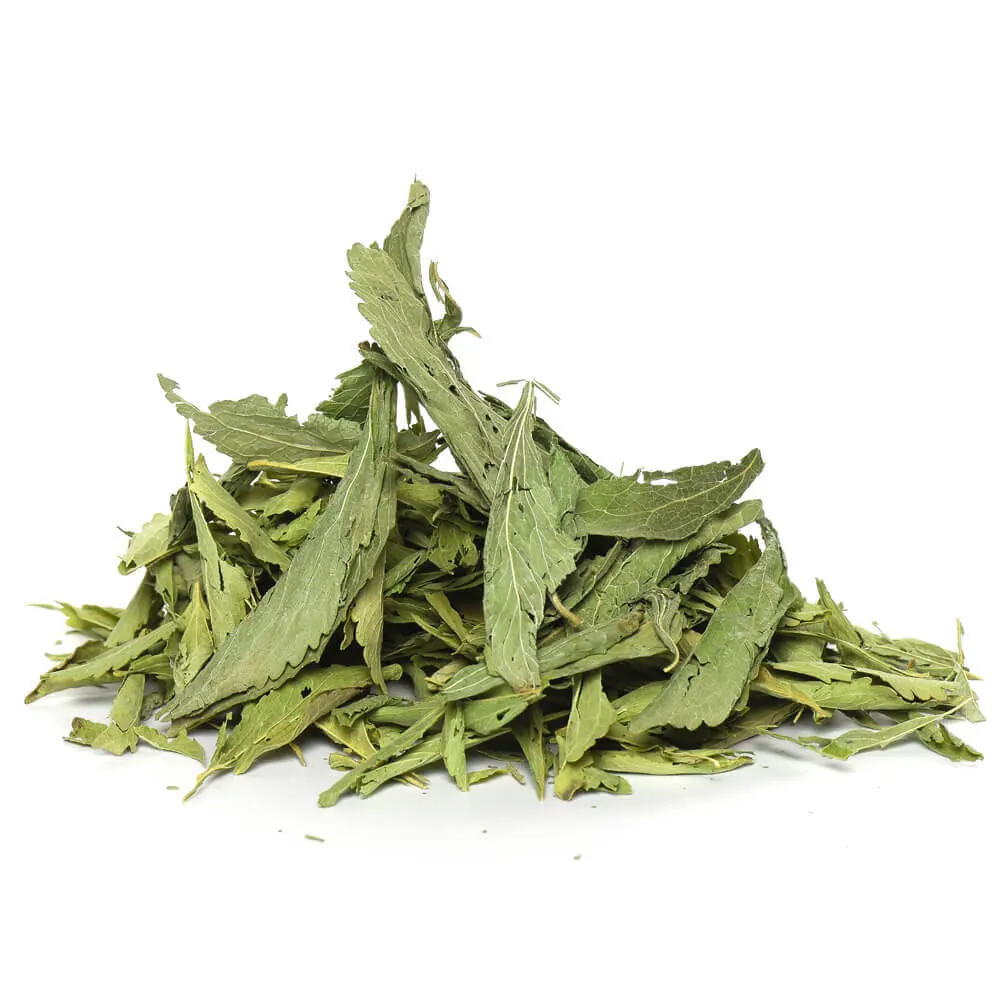
Dried Leaves of the Stevia Plant