Isomalt - Information & Interesting Facts
Isomalt is a popular sweetener because it is low in calories, suitable for diabetics, and tooth-friendly. Learn how Isomalt is produced and in which foods it is used. The Isomalt Q&A explains what it is, as well as the advantages & disadvantages of Isomalt.
What exactly is Isomalt?
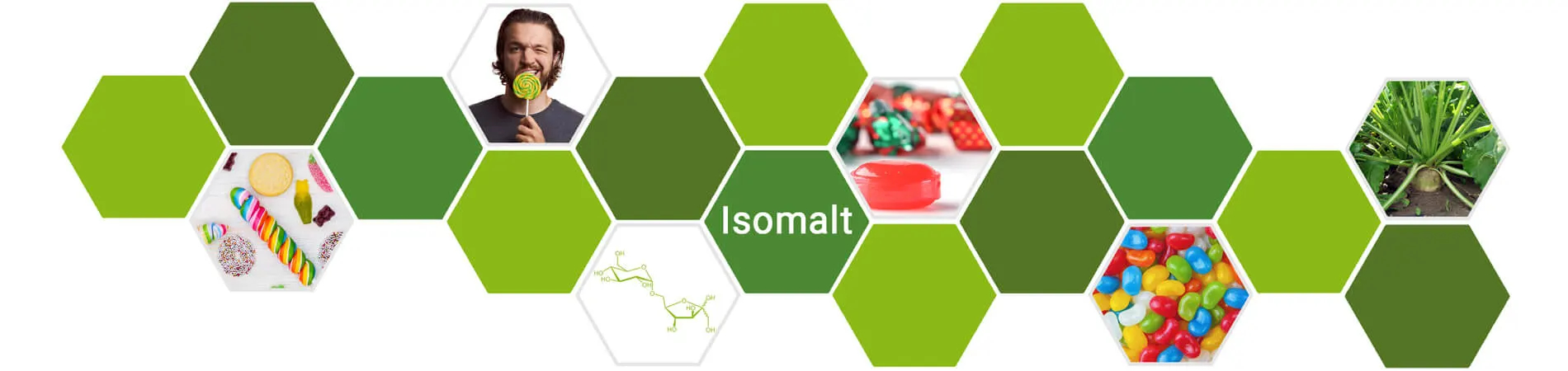
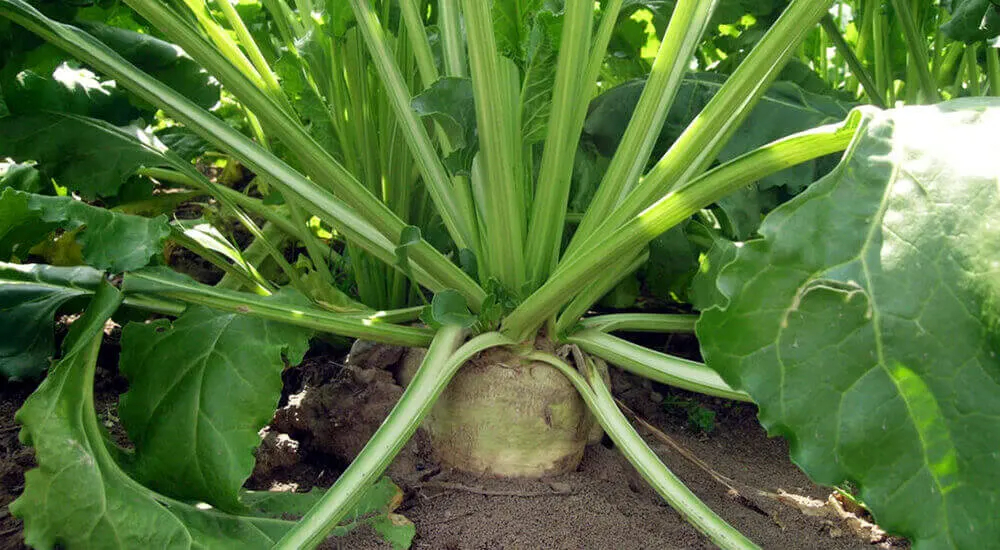
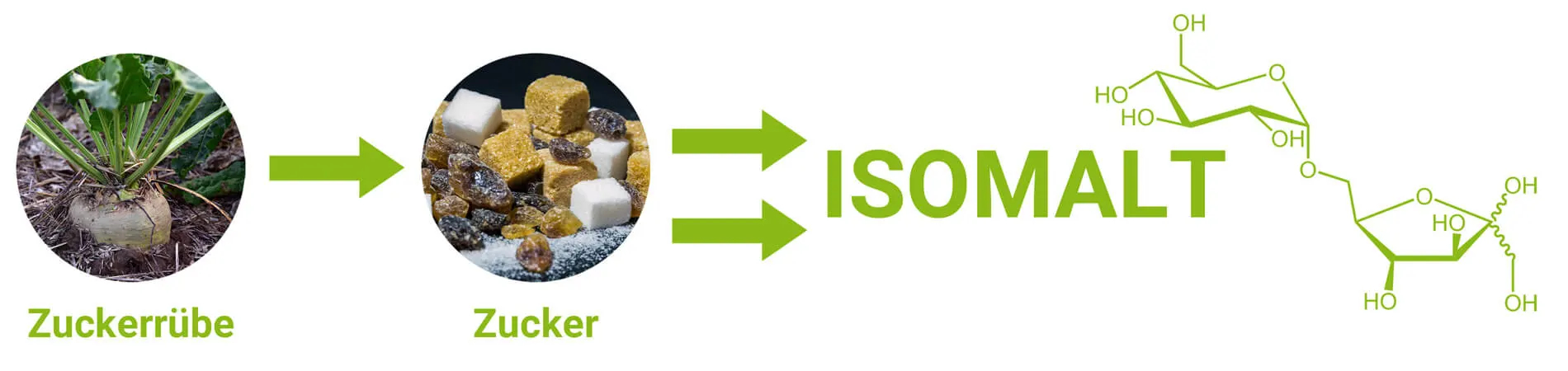
Isomalt, also known as Isomaltol (E 953), is derived from the sugar beet. To produce Isomalt, sugar is split into glucose and fructose and then converted into Isomalt through hydrogenation, forming a sugar alcohol.
Isomalt, like maltitol and mannitol, belongs to the group of sugar alcohols. Historically, Isomalt was classified as a sugar substitute, but now sugar alcohols fall directly under sweeteners.
This white crystalline substance has about 2.4 kilocalories per gram. Isomalt (E 953) has a lower energy content than sugar and is only half as sweet, yet it tastes like sugar.
Since microorganisms can only minimally break down Isomalt in the mouth, it is considered tooth-friendly compared to classic household sugar. No acids are formed, which means it does not damage tooth enamel.
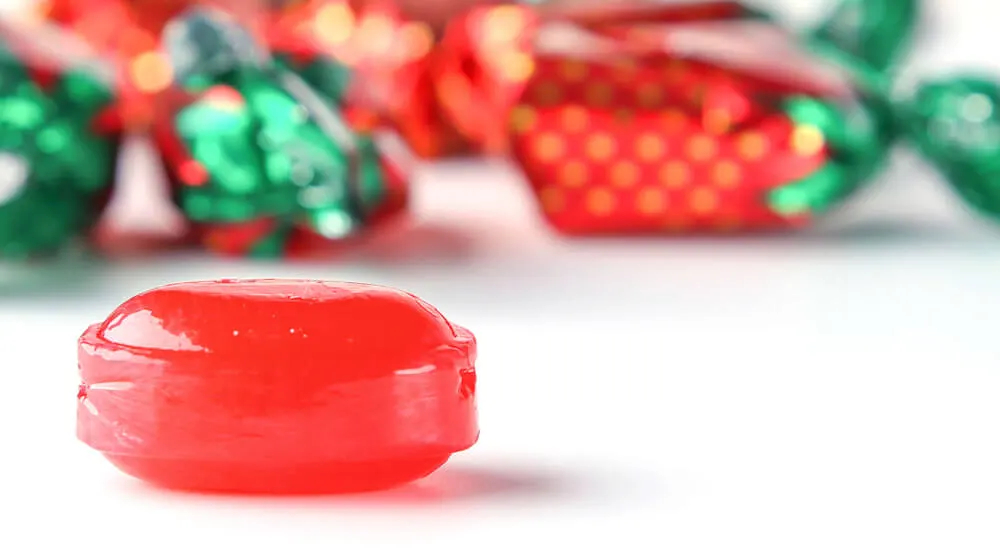
Sweetener and sugar substitute what is the difference?
What is the difference between sweeteners and sugar substitutes? In foods, sweeteners and sugar substitutes can both replace sugar. Artificial sweeteners such as aspartame, acesulfame-K, cyclamate, neohesperidin, saccharin, and thaumatin contain no calories, add no volume, and are much sweeter than sugar.
Sugar substitutes like erythritol, Isomalt, lactitol, sorbitol, maltitol, mannitol, and xylitol are carbohydrates obtained through fermentation. Although they contain significantly fewer calories than sugar, unlike sweeteners, sugar substitutes also add volume, which is particularly advantageous in baking.
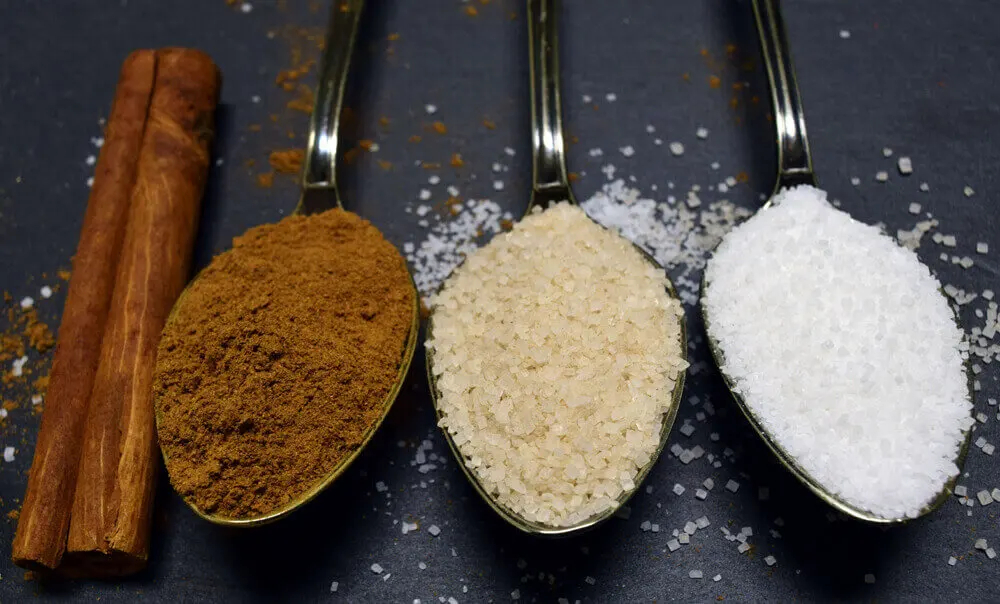
What defines sugar substitutes?
You don't have to forgo conventional sugary sweets or foods because sugar substitutes offer the possibility of enjoying sweets anyway.
Sugar substitutes belong to the group known as sugar alcohols, or polyols, and are used to replace sugar. These sugar alcohols enter the metabolism independently of insulin, resulting in only a slight increase in blood sugar levels. Historically, they were often used in foods for diabetics.
Unlike sweeteners, sugar substitutes contain no energy and, unlike household sugar (sucrose), they practically do not cause tooth decay.
Sugar alcohols are entirely unrelated to drinkable alcohol (ethanol). The scientific term polyhydric alcohols refers to the sugar substitutes (polyols) used in sugar-free sweets.
All sugar substitutes are derived from natural products. During processing, the natural sugar components are isolated and then enriched with natural enzymes or hydrogen. Although sugar substitutes are often mistaken for sweeteners, they are not the same. Sugar substitutes are fundamentally different from sweeteners.
Since sugar substitutes have significantly fewer calories than sugar (with erythritol being completely calorie-free), they are also of interest to diabetics.
Unlike other additives, sugar substitutes are considered harmless to health. It should be noted, however, that excessive consumption can, in extreme cases, cause a laxative effect, but this only occurs with very high intake.
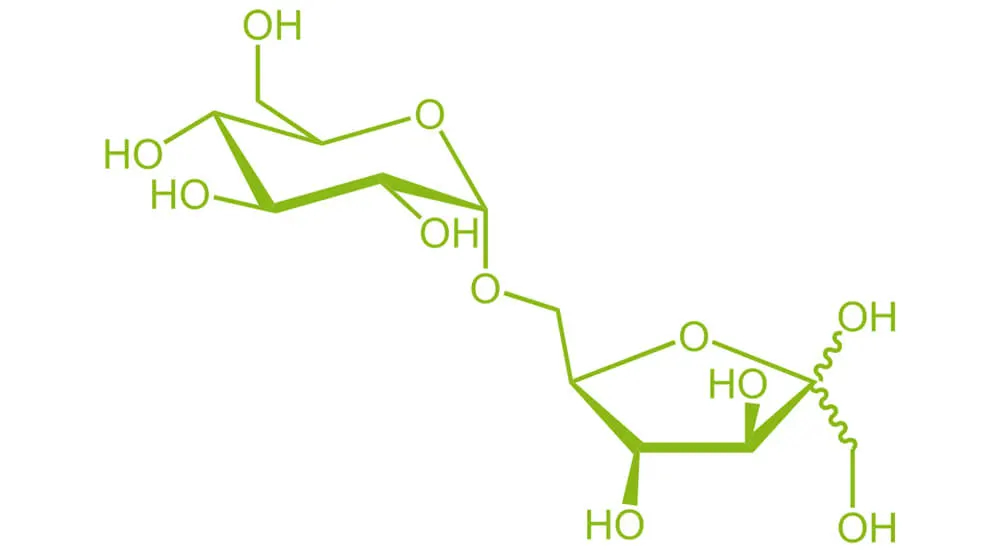
How is Isomalt produced and what are its components?
Isomalt, made from sugar beet and sucrose, initially involves the production of isomaltulose from beet sugar through bacterial fermentation. During hydrolysis (cleavage with the addition of water), it splits into approximately 50% Isomaltitol (6-O-α-D-glucopyranosyl-D-glucitol) and 1-O-α-D-glucopyranosyl-D-mannitol (GPM). The resultant substance, consisting of two sugar alcohols, is called Isomalt.
Interesting facts: Isomalt is particularly suited for the production of sugar-reduced chewing gum, sweets, and confectionery due to its compatibility with other sweeteners and high solubility in water.
How was Isomalt discovered?
In 1957, during the search for a sugar substitute, food chemists at Südzucker AG accidentally discovered the sugar alcohol Isomalt. They identified a microorganism capable of producing Isomaltose during sugar extraction. Production and worldwide marketing, however, did not begin until the late 1980s.
Which foods contain Isomalt and how is it used?
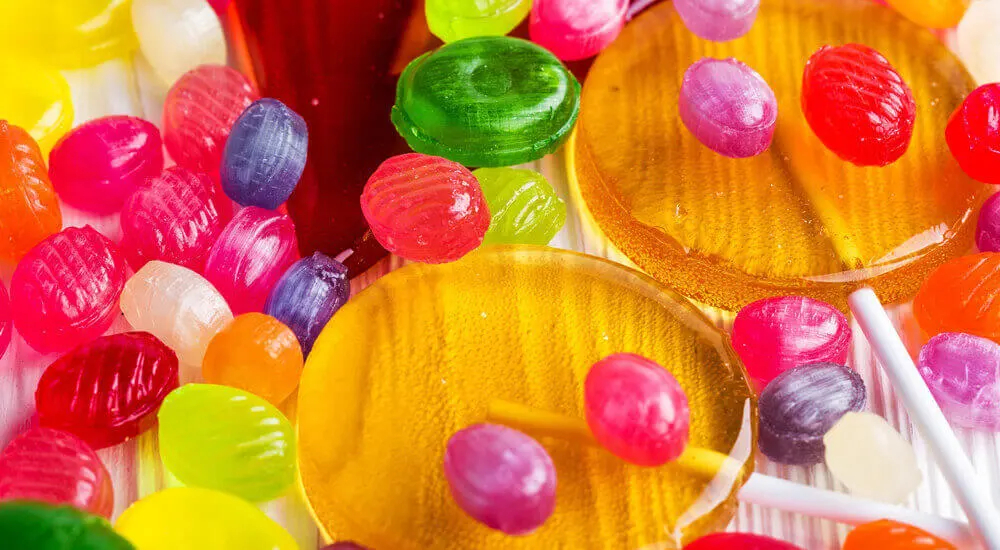
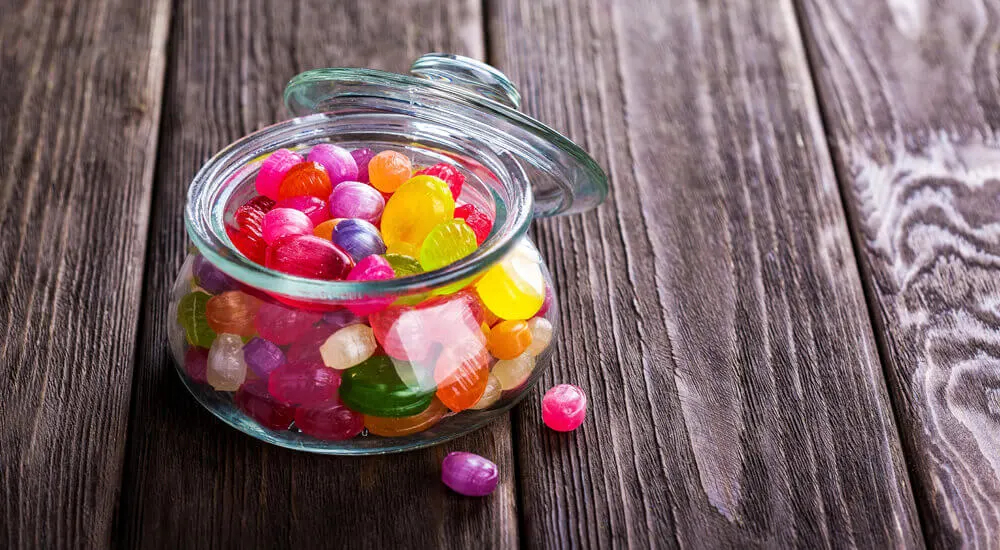
As a sugar substitute in foods, Isomalt replaces sugar but with only half the sweetening power while still tasting like sugar. The food industry uses Isomalt as a sugar substitute in sugar-free and energy-reduced sweets and foods.
What can you make with Isomalt?
Isomalt is utilized in various sugar-free or sugar-reduced foods.
You will find Isomalt in the following products:
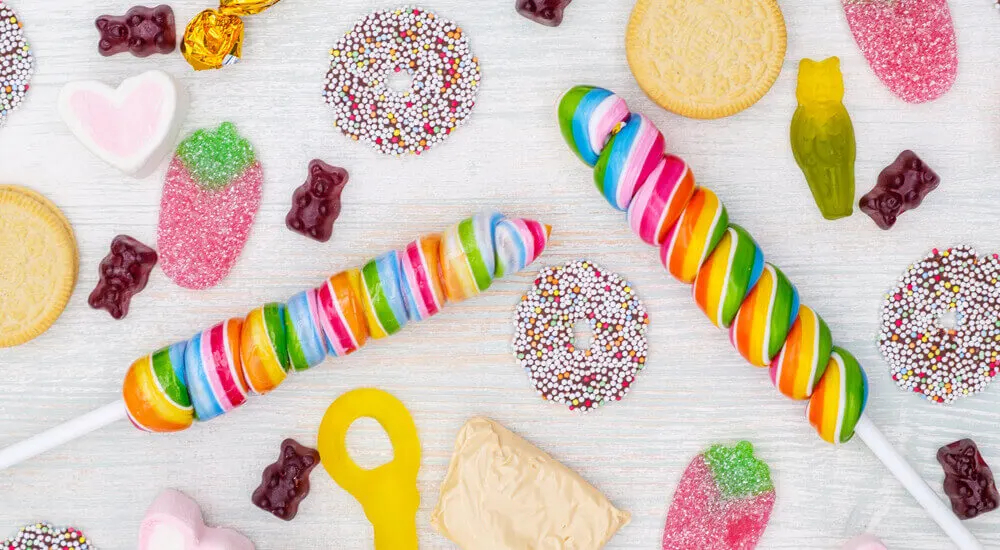
· Sugar-free sweets, chewing gum, chocolate, wine gum
· Baked goods, desserts and ice cream
· Mustard and sauces
· Jams and marmalades
Unlike other sweeteners, Isomalt is ideal for calorie-reduced baking. It adds richness to baked goods and serves as a binding agent. When preparing biscuits, cakes, and pies, please remember that Isomalt is not as sweet as sugar.

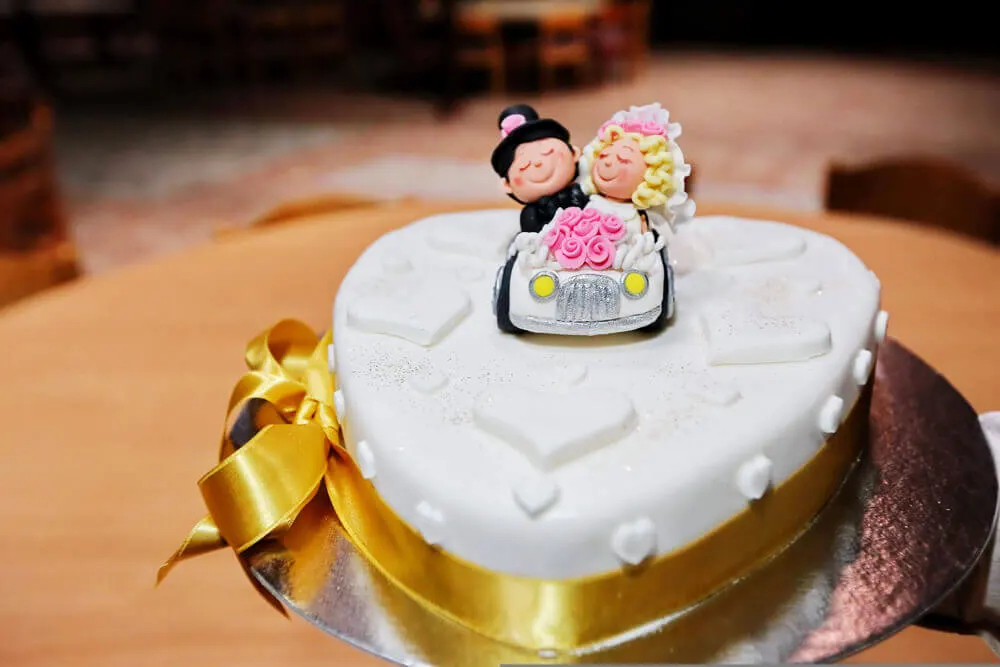
Did you know? Isomalt is the unknown miracle for sugar decoration.
You can create the most beautiful sugar decorations with Isomalt, which is especially popular in pastry and patisserie. Isomalt can be used to make fabulous sugar decorations on wedding cakes, cupcakes, muffins, and showpieces.
Because this sugar substitute is less susceptible to moisture and does not crystallize as quickly as sugar, sweet sugar decorations and artwork last longer. It is ideal for all small sugar artworks, whether poured, pulled, or blown. When heated, Isomalt becomes completely colorless and can be beautifully highlighted with food coloring.
How much Isomalt can be consumed daily?
The safety of Isomalt has been evaluated by the Joint Expert Committee on Food Additives (JECFA) of the World Health Organization (WHO). Isomalt is approved without any quantitative restrictions and does not have an ADI (Acceptable Daily Intake), unlike other sweeteners. Consequently, the sugar alcohol Isomalt was placed in the safest category for food ingredients.
The EFSA has classified its use as harmless to health. If the concentration of sugar substitutes exceeds 10%, this must be declared on all food items with a note saying "May have a laxative effect if consumed in excess". Isomalt has been evaluated and approved by regulatory authorities in over 70 countries, including the US Food and Drug Administration (FDA).
Is Isomalt suitable for diabetics?
Isomalt results in a delayed and small increase in blood sugar and insulin levels, making it beneficial for people with diabetes. Therefore, the sugar alcohol is used in the production of many diabetic foods.
Isomalt as a tooth-friendly sugar substitute
Compared to normal sugar, Isomalt is noticeably better for the teeth. Using sugar substitutes like Isomalt helps prevent the development of caries. They provide the desired sweetness to the food and can only be slowly utilized by the microorganisms in the mouth. Due to its stability, Isomalt is not metabolized by the microorganisms in the mouth because it forms very little acid. Thus, Isomalt has only a very low potential to cause caries and is therefore considered tooth-friendly.
Isomalt has many advantages: It has a low glycemic index, is tooth-friendly, and unlike sugar, contains only half as many calories.
The label "sugar-free" on foods does not mean that they are also calorie-free, so always check the list of ingredients. Erythritol is a calorie-free sugar alternative made from dextrose through fermentation. Like Isomalt, it has a minimal effect on blood sugar and insulin levels.
You can download information about Isomalt here: Isomalt made from sugar, like sugar, without sugar.