
Nutrition and Health
1. Eat healthily
Healthy eating isn't just about consuming apples and carrots. It's key to regularly rotate ingredients, favor plant-based foods, and embrace variety. This helps maintain a balanced diet and ensures the body receives the necessary nutrients in appropriate amounts.
2. Opt for whole grain products
To boost fiber intake in your diet, substitute carbohydrate-rich items like pasta, rice, or bread with whole grain alternatives. Dietary fiber is essential for prolonging the feeling of fullness, regulating blood sugar levels, and preventing constipation. According to the German Nutrition Society (Deutsche Gesellschaft für Ernährung | DGE), fiber intake among Germans is significantly lacking.

Healthy eating with fruit and dairy products without sugar
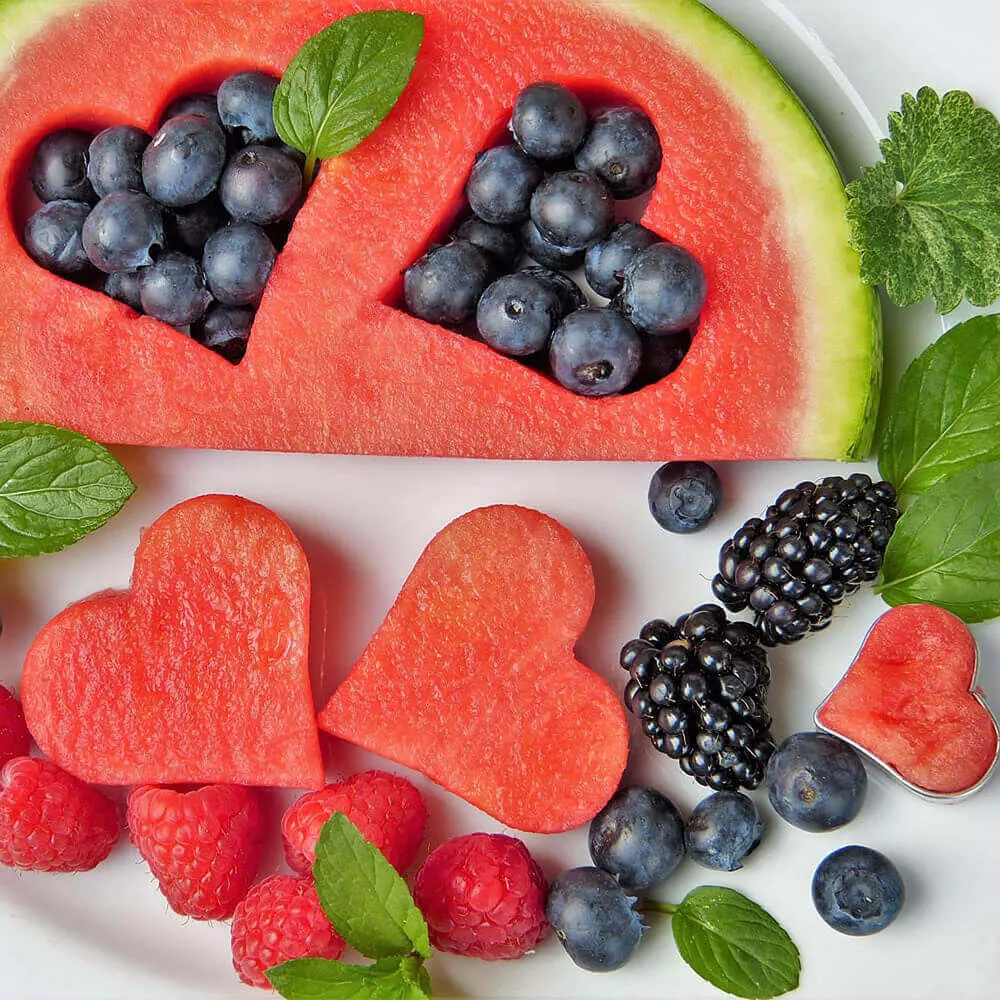
Health and Nutrition - Daily fruit consumption
Consuming plenty of fruit supports a healthy diet and supplies the body with essential vitamins, minerals, fiber, and secondary plant compounds.
3. Consume fruit and vegetables daily
An adult's ideal daily intake should consist of two portions of fruit and three portions of vegetables. Prioritize fresh and seasonal options whenever possible. This includes legumes and unsalted nuts as well.
Most fruits and vegetables are low in calories but rich in valuable vitamins and minerals. They also contain secondary plant compounds, which experts suggest have numerous health benefits.
How can you meet this daily intake? Simply chop a banana, apple, or a few strawberries into your breakfast cereal, using less of the cereal flakes, which are usually high in calories.
Additionally, take some fruit to work. Snacks like kohlrabi, carrots, or peppers make excellent between-meal options.
Similarly, ensure your main meals include some vegetables, or alternatively, prepare a salad as a side dish.
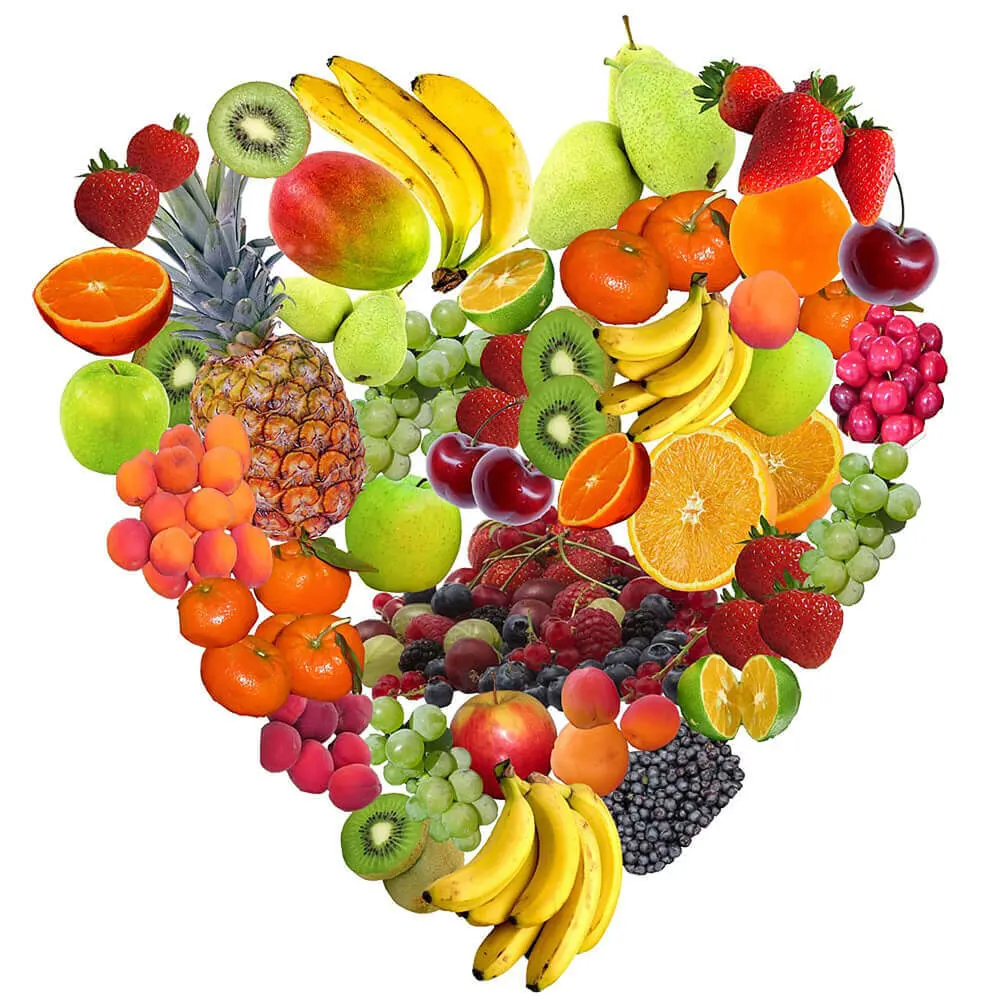
Incorporate fruit and vegetables into your daily diet for optimal health.
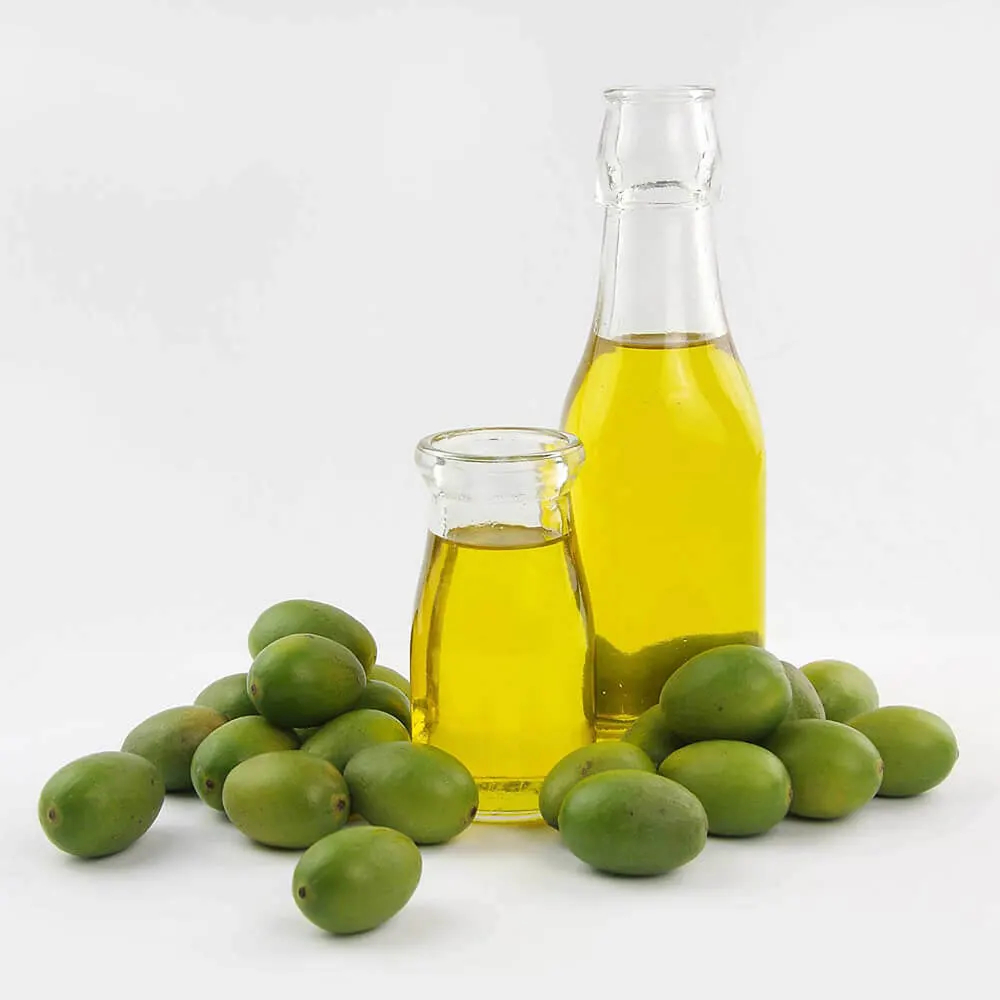
Opt for vegetable oils whenever possible.
4. Reduce sausage consumption and increase dairy and fish intake.
Dairy items such as yogurt, quark, and cheese are excellent sources of protein and calcium and should be part of your daily diet.
Include fish in your meals once or twice each week. Ensure the fish you purchase has a certified sustainable origin, as it provides healthy omega-3 fatty acids along with iodine and selenium.
Limit your meat intake. Although red meat, in particular, is a valuable source of protein and B vitamins, consuming it in large quantities is not without risk.
The DGE suggests limiting sausage and meat consumption to 300 to 600 grams per week.
5. Make mindful choices with fats
Choose vegetable oils like rapeseed oil whenever possible. While vegetable oils are also high in calories, they contain essential fatty acids. It's important to avoid hidden fats, which are often found in items like sausages, sweets, processed foods, and fast food.
6. Use salt and sugar sparingly
Sugar is calorie-dense, so sweets should be enjoyed rarely, if at all. Overconsumption of salt can also be detrimental.
Try to keep your salt intake below six grams per day. It's advisable to use a variety of herbs for seasoning instead.
If you do use salt, opt for one that is fortified with fluoride and iodine.
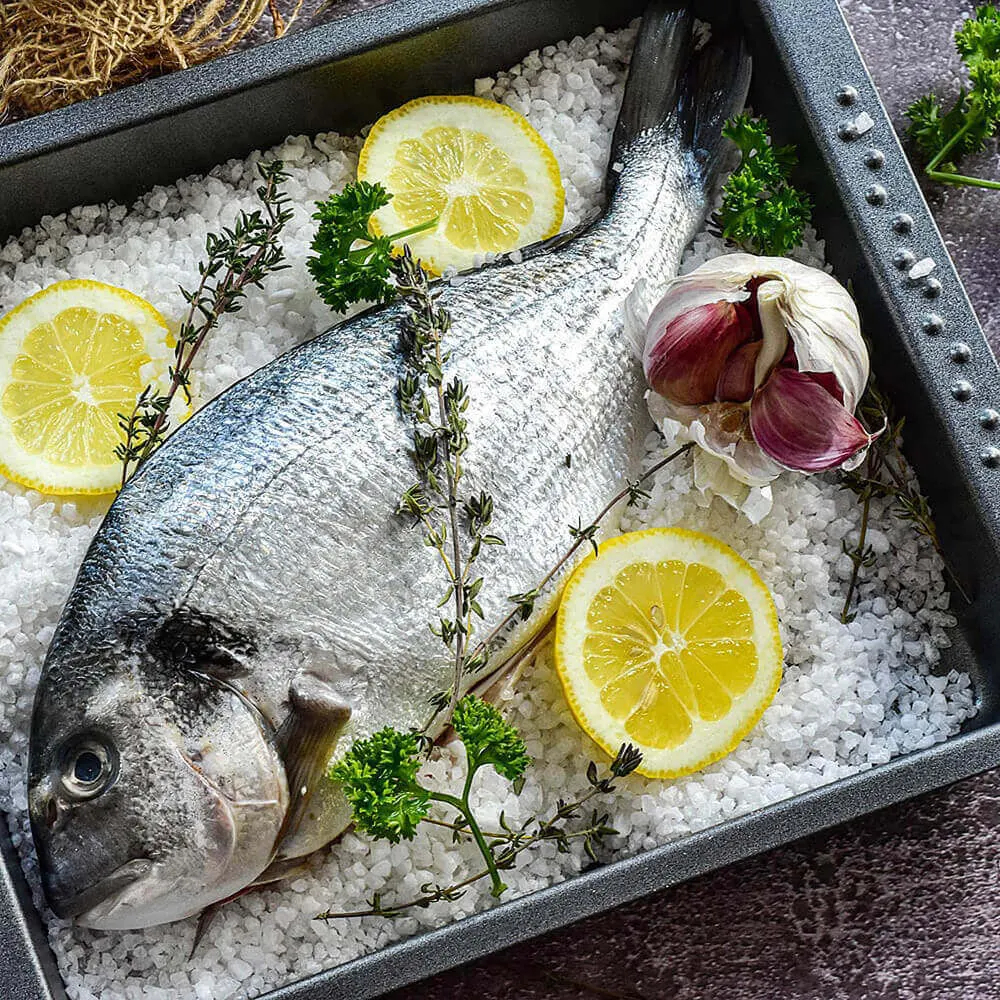
Consume fish and fish products twice a week.

Savor your meals and take your time eating.
7. Stay well-hydrated
Water is the body's most vital component. Humans lose water particularly through sweating and evaporation.
Thus, it's advised that healthy individuals drink around 1.5 liters of water each day. Being calorie-free, water should be chosen over other beverages. Unsweetened tea is also a good option.
Important:
Drinks containing calories generally do not contribute to satiety and may lead to weight gain rather than weight loss. Additionally, many alcoholic drinks are also calorie-rich.
8. Cook food gently
Prepare your meals using minimal water and cook only as long as needed. High temperatures should be avoided where possible.
This method helps retain nutrients and minimizes the formation of harmful substances like acrylamide.
9. Enjoy and savor your meals
Eating quickly can lead to consuming more before feeling full.
Therefore, eat slowly and take time with each meal. This enhances the overall enjoyment of eating.

Consume around 1.5 liters of water each day

Regular physical activity is crucial for maintaining a healthy lifestyle
10. Engage in plenty of physical activity
Just as a balanced diet is crucial for a healthy lifestyle, so is consistent exercise.
Opt for cycling instead of driving more often, or take regular walks.
This approach not only aids in weight loss but also helps prevent various diseases.