

The body mass index (BMI)
Can provide a correct interpretation of your body weight. By performing a simple calculation, you can determine your body weight status and whether losing a few kilos is recommended.
By using the BMI calculator, you can easily ascertain if you fall into the categories of normal weight, underweight, or overweight.
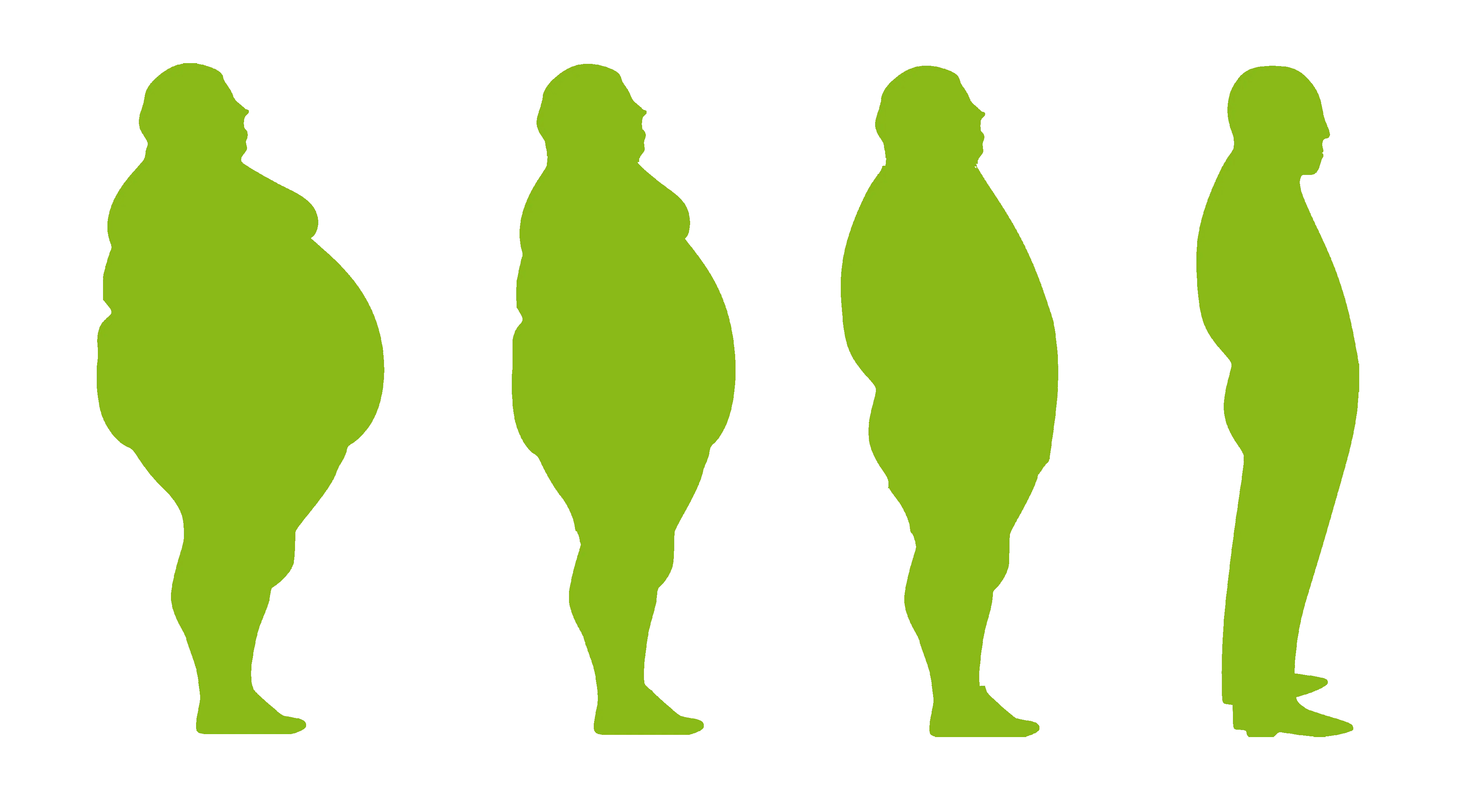

What does the Body Mass Index (BMI) represent?
Known as BMI for short, the body mass index is the widely adopted method for assessing body weight. The ratio is computed by dividing body weight in kilograms by the square of height in meters.
According to the German Nutrition Society (DGE),
the BMI is classified into five categories based on the calculated value: underweight, normal weight, overweight, extreme overweight (obesity), and massive obesity.
BMI = body weight: (body height)²
Example: a 30-year-old man weighing 80 kilograms and standing 1.85 meters tall has a BMI of 23.37, which is considered normal.
By using the BMI calculator, you can verify whether your weight is in the healthy range. The calculator considers age along with the traditional BMI calculation.
The body mass index (BMI) varies with age.
To properly estimate body weight, besides weight and height, age must also be considered.
As we age, normal weight benchmarks shift, making age a crucial factor. Changes in metabolism and body composition after age 40 result in weight gain, affecting the recommended BMI range.
Elderly individuals often lose muscle mass, which is denser than fat, potentially reducing body weight. Consequently, the BMI might inaccurately indicate underweight, although their body weight is indeed normal for seniors.

Why is the Body Mass Index (BMI) not fully reliable?

For athletes, whether male or female, the Body Mass Index (BMI)
There are criticisms directed at BMI guidelines because, although they don't factor in age and gender, BMI mainly focuses on weight as a health indicator without distinguishing between fat and muscle mass. It does not differentiate effectively between muscle and fat.
BMI alone doesn't capture the full picture. Athletes, for instance, might have a BMI of 26 due to higher muscle mass, thus not necessarily being overweight. For individuals who are especially tall or short, BMI may not be applicable as straightforwardly. Additionally, BMI shifts as people age.
Despite this, BMI remains a quick method to classify one's weight. Scientific evidence suggests that waist circumference provides better insights into the health risks associated with being overweight than BMI alone.
Those who say "I'm fat" often rely on a subjective view. Even those with a normal weight might feel that way. Using the BMI calculator, you can decide if losing weight is truly necessary.
The medical description of normal weight (defined as a BMI between 18.5 and 24.9) covers a broad range. For example, someone who is 1.70 m tall should weigh between 53.5 and 72 kilograms to fall within this range. As you can see, having a healthy physique doesn't mean being extremely slim. As one ages, what is considered normal weight might slightly exceed a BMI of 25.
Various formulas offer insight into the appropriate BMI based on age and gender, such as the guide provided by the National Research Council below:

Table of the Body Mass Index (BMI)
The BMI is a tool used to classify individuals as normal weight, overweight, or obese. The most frequently utilized chart, also in research, is the World Health Organization's (WHO) table, which is likewise employed by the German Nutrition Society (DGE).
Body Mass Index according to WHO/DGE:
Meaning BMI
Normal weight 19-24.9
Overweight 25-29.9
Obesity / obesity grade I 30-34.9
Obesity/obesity grade II 35-39.9
Obesity / obesity grade III ≥ 40
Gender and age are not considered in these calculations. Since the BMI formula requires only height and weight, alternative classifications exist. The National Research Council (NRC), for example, published a table with normal BMI ranges by age back in 1989.
BMI Categories by National Research Council (NCR):
Age BMI
19-24 19-24
25-34 20-25
35-44 21-26
45-54 22-27
55-64 23-28
Ab 65 24-29
The WHO's BMI table is predominantly used in practice. Recent understanding suggests that a slightly elevated BMI can positively influence health and life expectancy in older age.
Being round can be healthy: the BMI is overly restrictive.
The WHO set maximum BMI values for what's considered normal and healthy weight years ago, yet experts question the accuracy of these limits.
Individuals slightly heavier often fall into the "overweight" category, even if their health isn't at risk. Research implies that carrying extra weight in later life can extend lifespan and improve health.
The significance of these figures relies on WHO's definition of an ideal BMI and weight. Normal weight is identified with a BMI range of 18.5 to 24.9. Above this, a person is labeled overweight, and those with a BMI of 30 or more are classified as obese, which requires medical attention.
Different types of fat pose different risks!
The location of body fat is crucial. Belly fat, for instance, is more likely to lead to diabetes or heart issues than fat on the limbs.
Experts assert that waist measurement reveals more about health risks than weight alone, as "hidden fat" can be disruptive to metabolic health, despite not being visible. Therefore, one's weight should not be the sole criterion for health evaluation.