

Research in diabetes: future therapies
Worldwide, scientists are striving to make diabetes treatment simpler and more effective, while they seek a more in-depth understanding of the disease's causes.
Some methods have turned out to be ineffective, but other discoveries and innovations have resulted in significant breakthroughs. Predicting success is often challenging, keeping the field intriguing - find the latest information here from diabetes research.
Researchers are investigating methods to enhance diabetes treatment. Professor Dr. Thomas Forst from the Institute for Clinical Research and Development in Mainz identifies key research areas: "Research in diabetes focuses on three main areas: discovering new drugs, developing new insulins, and achieving closed-loop systems."
Among these initiatives are islet cell transplantation and the smart insulin pump, which autonomously monitors blood sugar and dispenses the correct insulin dose.

Beyond merely lowering blood sugar
Regarding medications, the expert notes that new drugs are designed not just to lower blood sugar, but also to prevent hypoglycemia and aid in weight management.
SGLT-2 inhibitors appear to be the answer, as they promote the excretion of sugar through the kidneys in urine. This reduces blood sugar levels, prevents hypoglycemia, aids weight loss, and helps manage high blood pressure.
The researcher further explains that SGLT-2 inhibitors decrease the amount of glucose, and thus energy, available to the body, leading to weight loss, which is beneficial for over 90% of those with type 2 diabetes. Since glucose retains water, the patient's fluid levels are also reduced. Forst points out that this effect lowers blood pressure similarly to a dedicated medication. SGLT-2 inhibitors are expected to become available within 2–3 years.
Preventing complications
Forst believes that substances targeting the hormone cortisol in the body, which may improve insulin resistance related to diabetes, will take a longer time to reach the market. Glucokinase activators also receive considerable attention from some researchers.
The expert describes their mechanism as follows: "The body's enzyme glucokinase is found in the insulin-producing beta cells of the pancreas and the liver, among other areas. Glucokinase activators enhance insulin release from the beta cells while simultaneously inhibiting glucose release from liver stores."
Additionally, there is a focus on medications targeting atherosclerosis, often associated with diabetes. Fort explains these substances aim not to lower blood sugar directly, but rather to alleviate common complications of diabetes.
Tailoring insulin delivery
Another area of research focuses on innovative insulins for the most prevalent forms of diabetes. Forst highlights smart insulins as particularly intriguing. After injection, these insulins are bound to proteins and initially remain within the tissue. When glucose levels rise in the blood and tissue, the sugar prompts partial detachment of insulin from the protein.
This mechanism allows insulin to enter the bloodstream and lower blood sugar. Once glucose levels normalize, insulin release from the protein stops. This process has proven successful in animal trials, with human testing anticipated soon.
A solution for all
The third area of research focuses on closed-loop systems, such as islet cell transplantation. The expert explains that the goal of this specialized procedure is to encapsulate islet cells in a way that prevents the body from rejecting them. This eliminates the need for additional immunosuppressants, which, while they prevent rejection, also come with certain side effects.
Moreover, the smart insulin pump has the potential to greatly simplify the daily life of diabetics. Its would be to autonomously monitor blood sugar levels and adjust and deliver the insulin dosage accordingly. Nonetheless, Forst points out that this "system" is more complex than it appears, making it a vision for the future for patients at the moment.
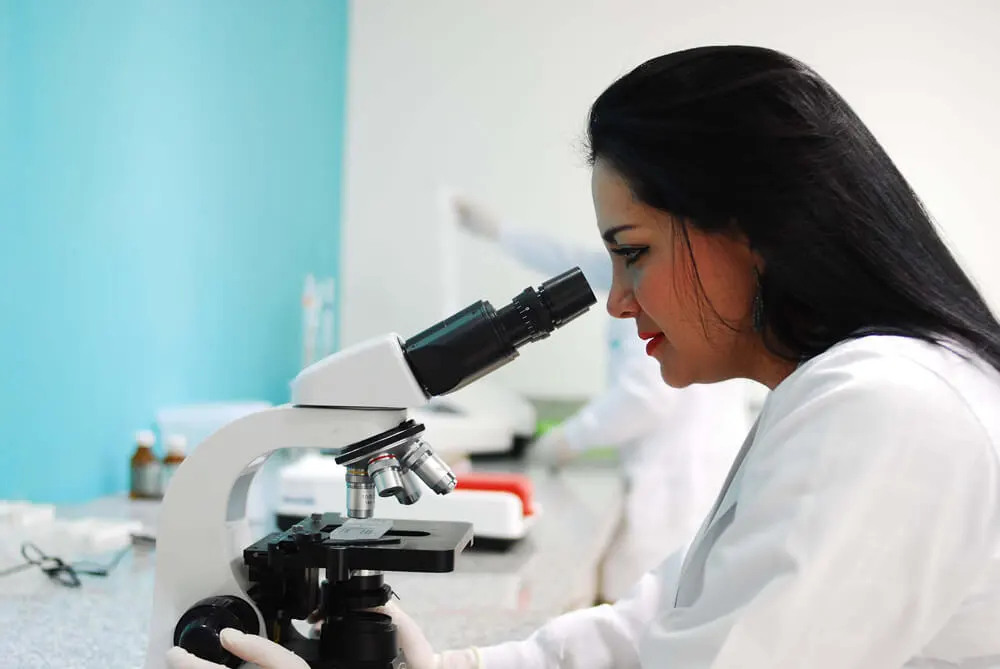
The German Center for Diabetes Research
Research focuses on developing individualized approaches to protect against and treat type 1 and type 2 diabetes. To achieve this, the DZD collaborates closely, in an interdisciplinary manner, with basic research and patient-oriented studies. The DZD assembles 180 renowned scientists across five different locations for this purpose.
Basic research for a better understanding of diabetes
To devise personalized strategies and manage diabetes effectively, detailed insights into genetics and metabolic pathways at both the cellular and organism levels are essential. With the use of more than 30 diabetes mouse models, scientists investigate the pathological changes in specific tissues and organs that contribute to disease development.
Additional findings from systems biology can reveal how external and internal factors impact the onset of diabetes. Moreover, epigenetic elements are employed to study the influence of environmental factors on genetic characteristics.
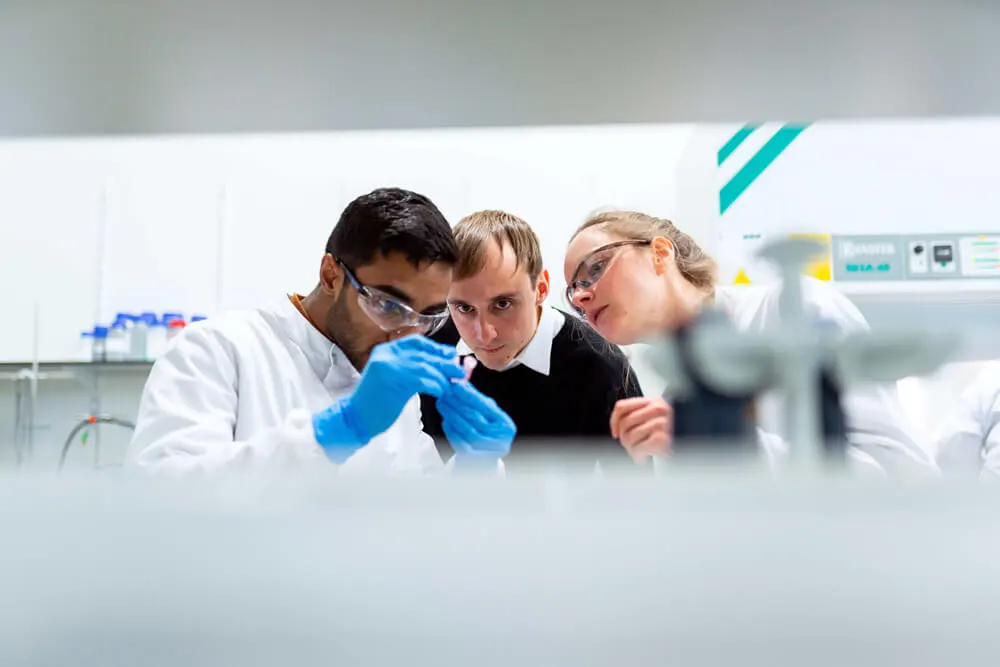

Research on beta cells, islet cell transplantation, and stem cell research
A key focus is developing treatments to preserve or regenerate pancreatic beta cells. These cells are responsible for producing insulin and releasing it when blood glucose levels increase.
Recent insights into the insulin secretion process and the identification of substances that enhance beta cell regulation hold the potential to form the basis of new medications.
When beta cells are irreparably damaged, only a pancreas or islet cell transplantation can potentially restore the body’s insulin production. Such procedures are exclusively conducted at the Paul Langerhans Institute in Dresden. Scientists at the DZD collaborate closely with their colleagues there to continually improve islet cell transplantation.
Stem cell therapy might serve as an alternative solution. Researchers at the DZD are national leaders in this field and investigate how beta cells form, aiming to find new drug approaches and achieve breakthroughs with synthetic beta cells.


Research and development of drugs
For diabetes therapy to be both effective and comprehensive, addressing not just individual variations but also disease progression, new strategies must be formulated. The integration of discoveries from basic and clinical research facilitates the ongoing exploration, validation, and enhancement of new approaches and active substances.
Cells from a bio-printer
Insulin-producing tissue is being generated using a 3D bio-printer in Heidelberg. This marks a significant advancement in medicine and offers hope to many individuals with diabetes. More details about this groundbreaking development are available on the website of the Federal Ministry of Education and Research.