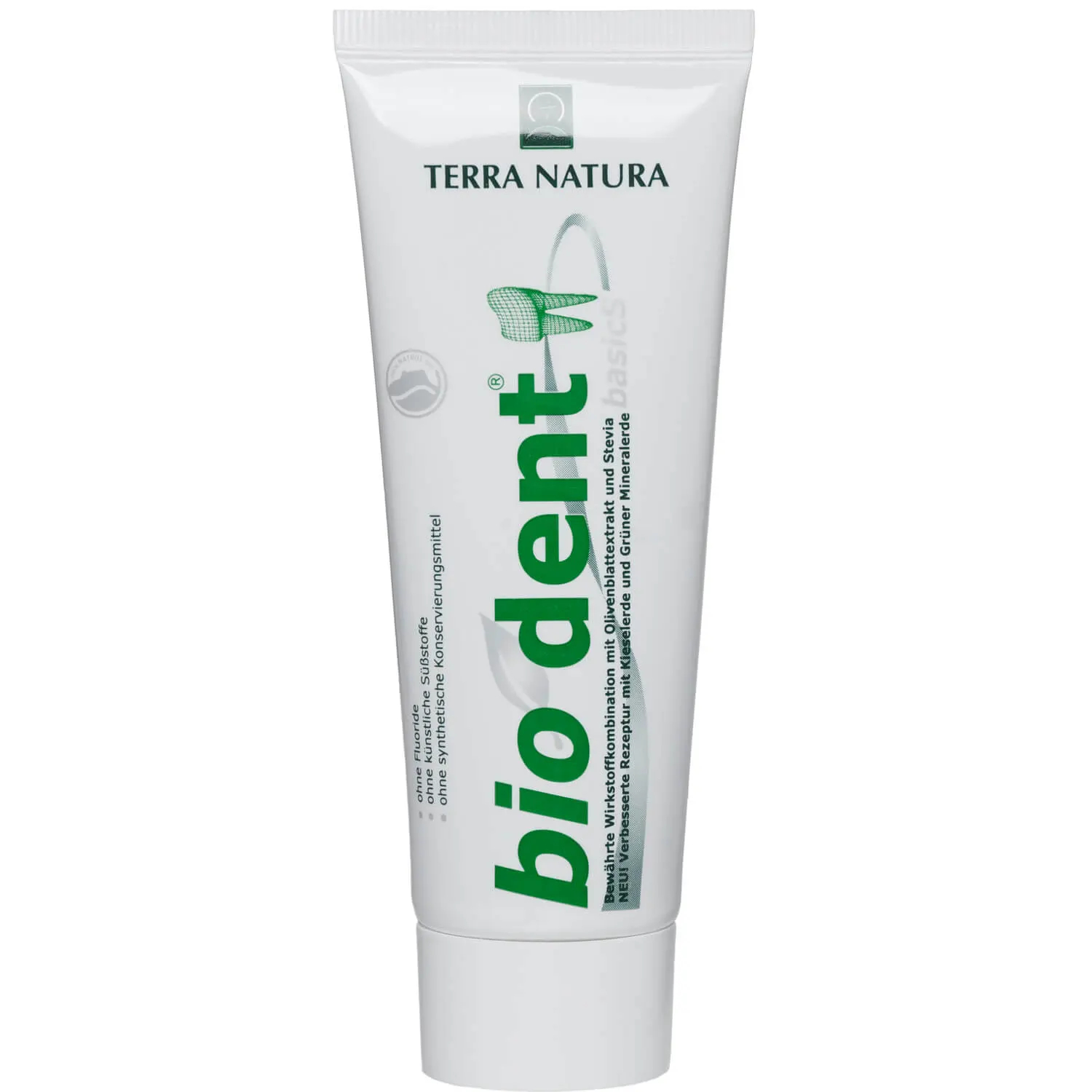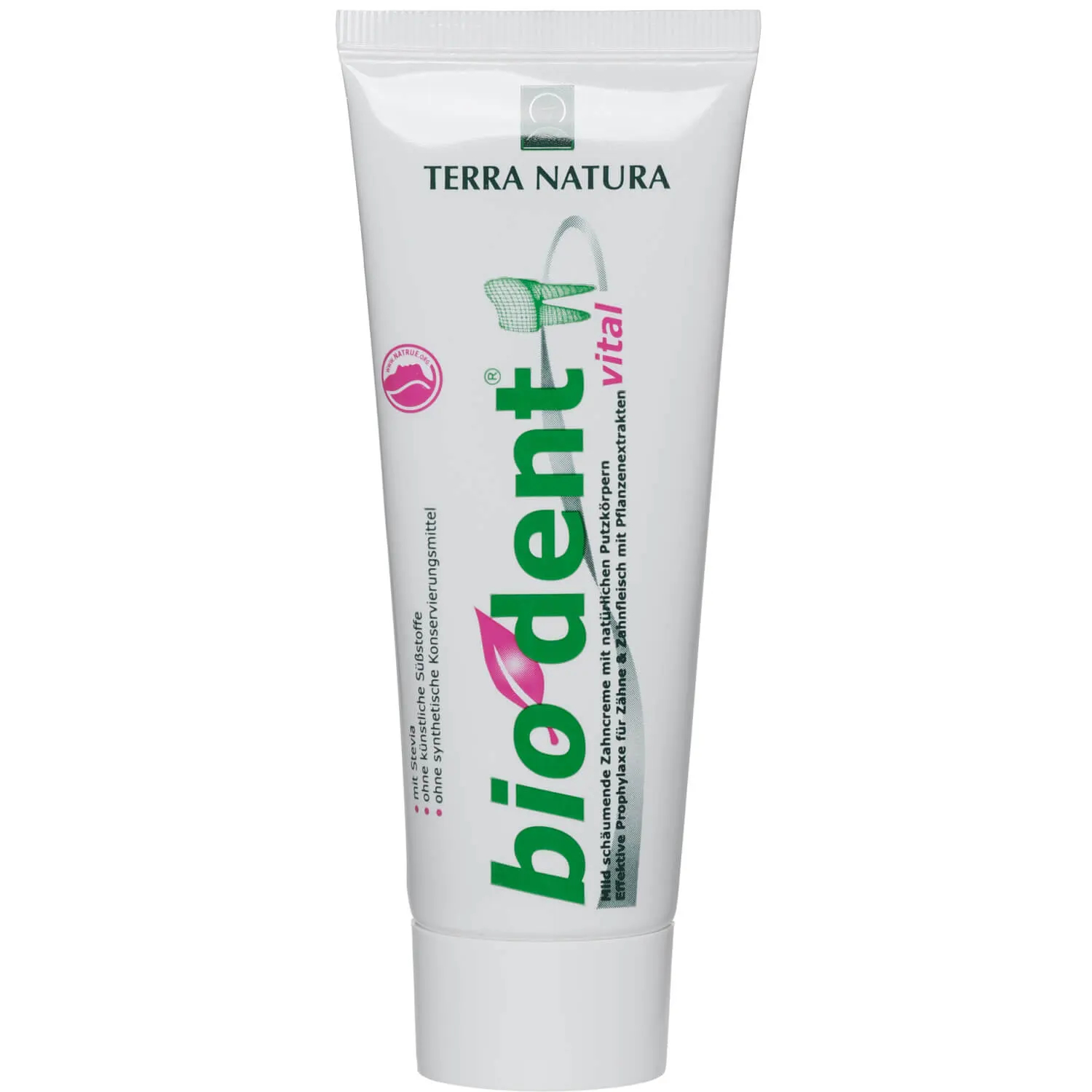
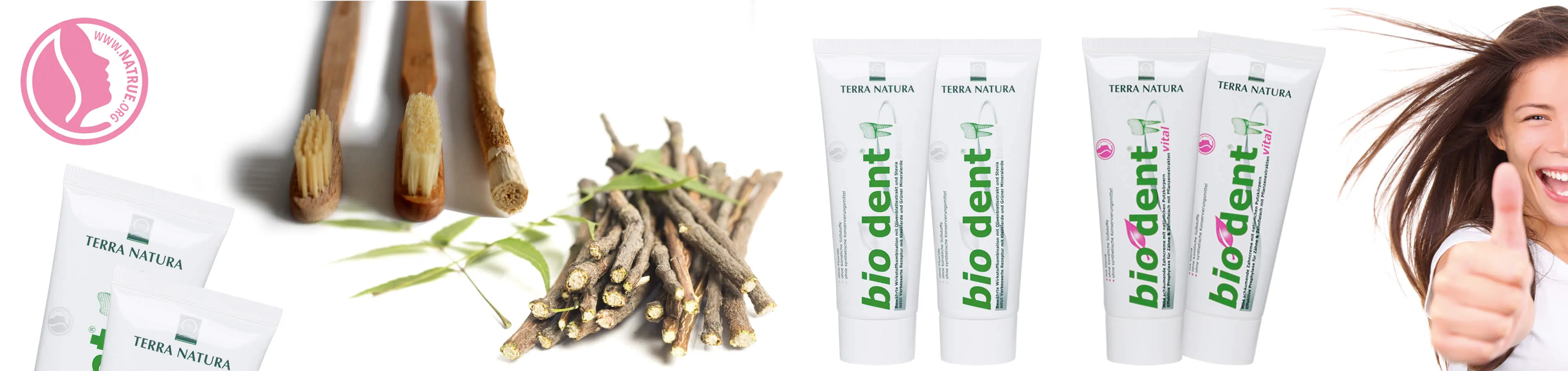
Fluoride-free toothpaste enriched with Stevia and plant extracts.
Many people believe that brushing teeth with fluoride toothpaste is essential, as fluoride is thought to be the sole protector against tooth decay. Is this truly the case? The answer is straightforward: No. While numerous studies demonstrate that fluoride effectively protects against cavities, there are indeed various other strategies that can achieve similar results. Moreover, the safety of fluoride for dental health does not automatically apply to the entire body. In summary, teeth can be sufficiently safeguarded without the need for fluoride.
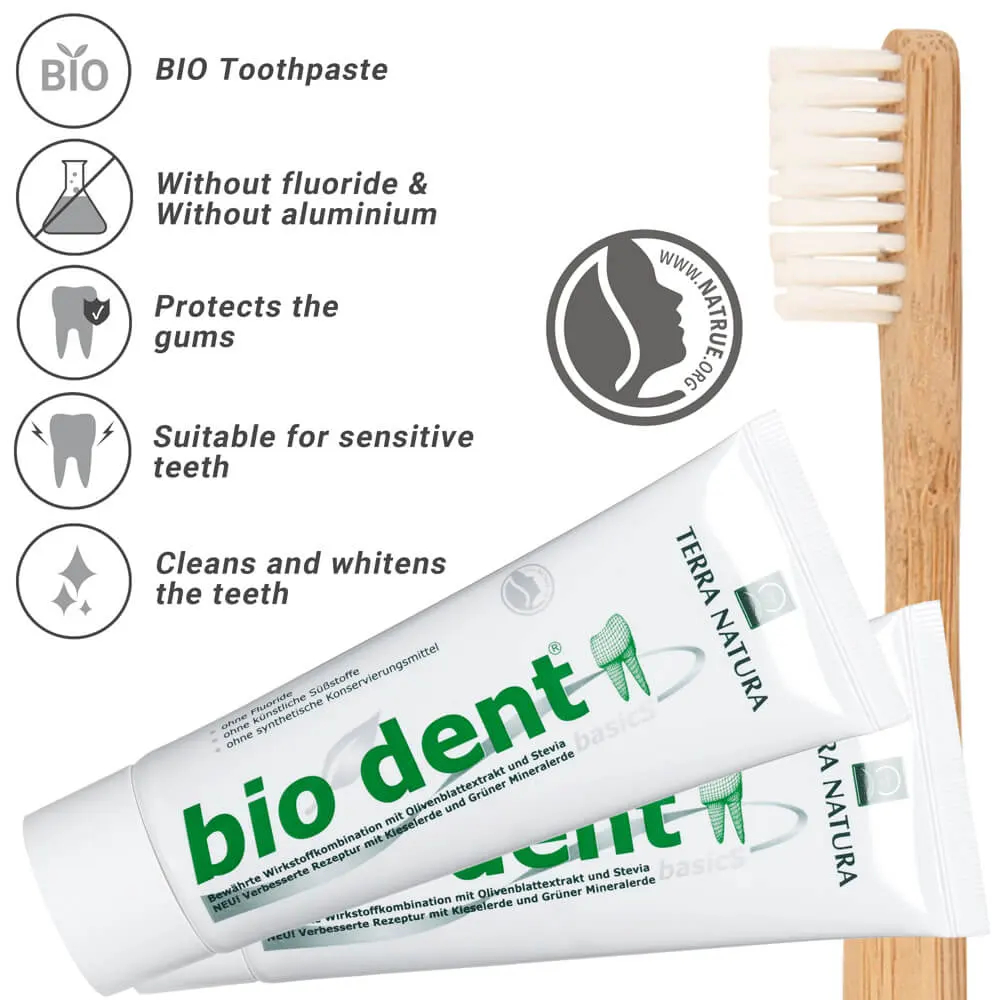
Fluoride-free toothpaste | Biodent Basics Terranatura natural cosmetics.
Natrue certified toothpaste: natural cosmetics
Should Toothpaste Have Fluoride or Not?
Currently, it’s rare to find toothpaste that doesn’t contain fluoride. Most so-called experts agree that only fluoride can effectively prevent tooth decay. Such claims remove the choice from consumers when selecting toothpaste, resulting in a scarcity of fluoride-free options.
Although a few fluoride-free toothpastes still exist, they are often deemed inferior. Product evaluations, like those from a prominent testing magazine in July 2016, have contributed to the diminishing presence of available alternatives in the market.

Toothpaste without fluoride - oral care for stunning teeth
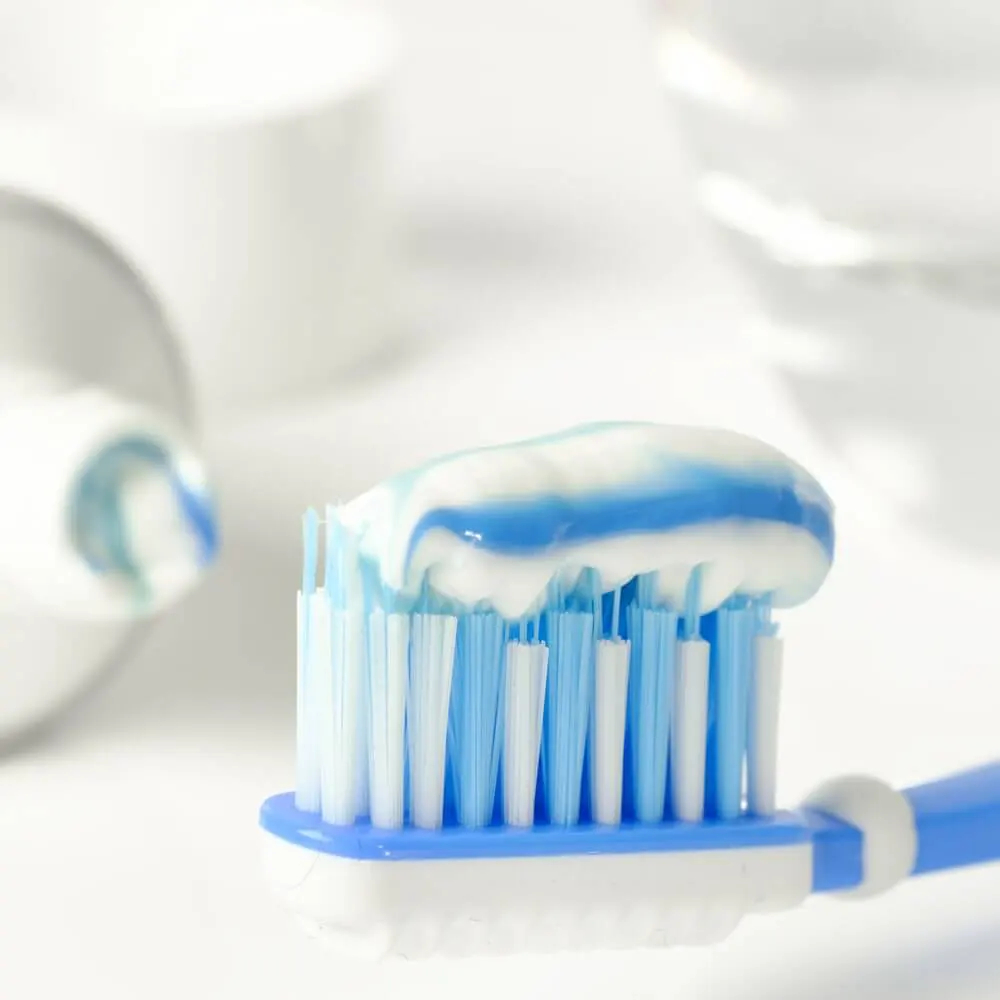
Toothpaste with Fluoride and Toothbrush
Fluoride-Free Toothpastes Often Lack Harmful Chemicals
In many instances, fluoride-free toothpastes are free from harmful additives. However, this is primarily true for products in the natural cosmetics category. Other brands may include sodium lauryl sulfate and triclosan (both of which can irritate mucous membranes and harm intestinal flora), PEG derivatives (which can be harmful to the skin), or parabens (which have hormone-like effects).
Unlike fluoride, most fluoride-free toothpastes feature natural ingredients that help protect against caries without posing a risk to overall health.
Nevertheless, this advantage does not seem to have impacted product testing results. Frequently, fluoride-free options received such low ratings that one might think using them is counterproductive.
It appears the testers overlooked the fact that fluoride-free toothpastes cater to a segment of the population and that their lack of fluoride can actually signify higher quality.
Nutritional Deficiencies Cannot Be Offset by Fluoridated Toothpaste
The practicality of following an unhealthy diet and then relying on a toothpaste with potentially toxic ingredients is, in our opinion, quite dubious.
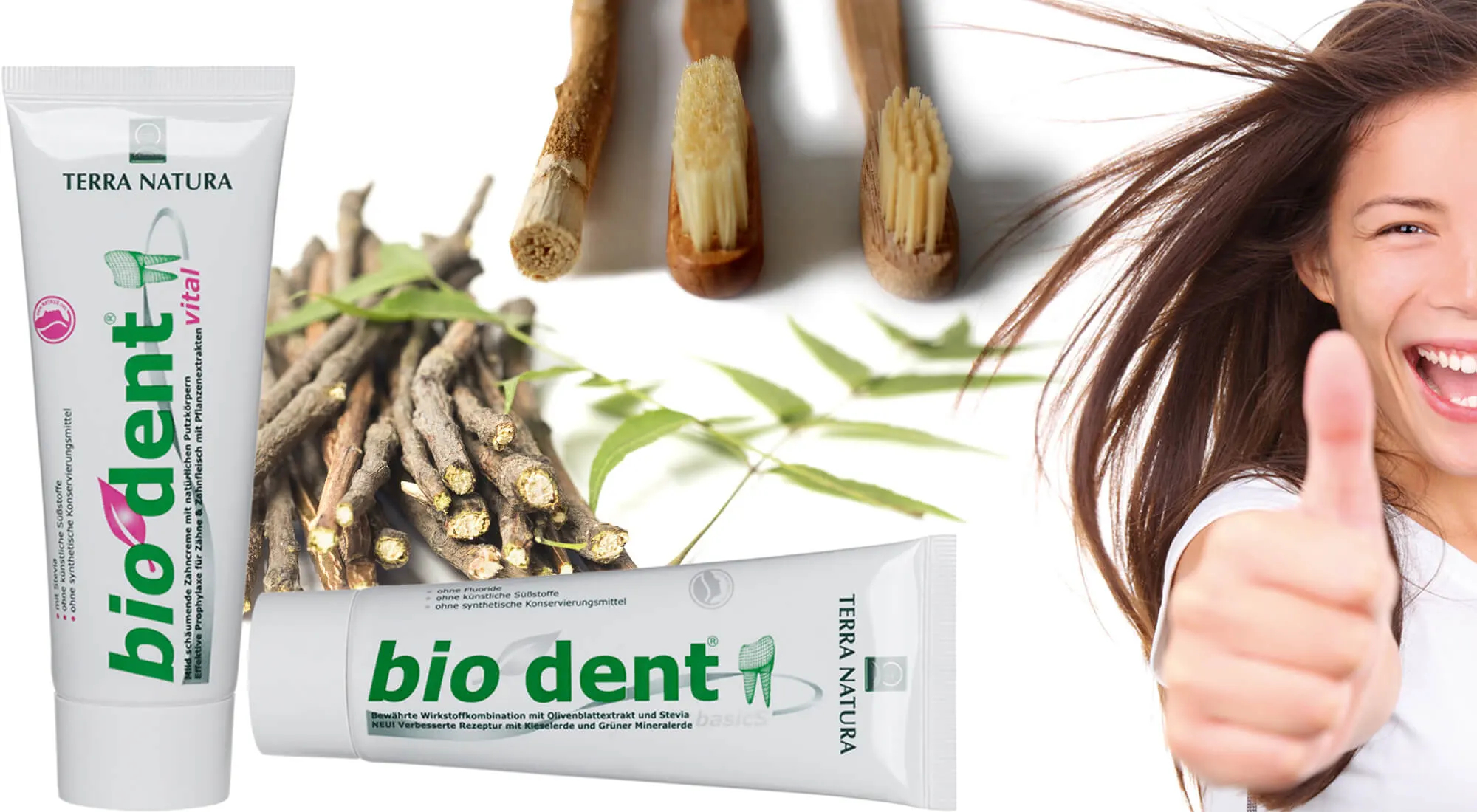
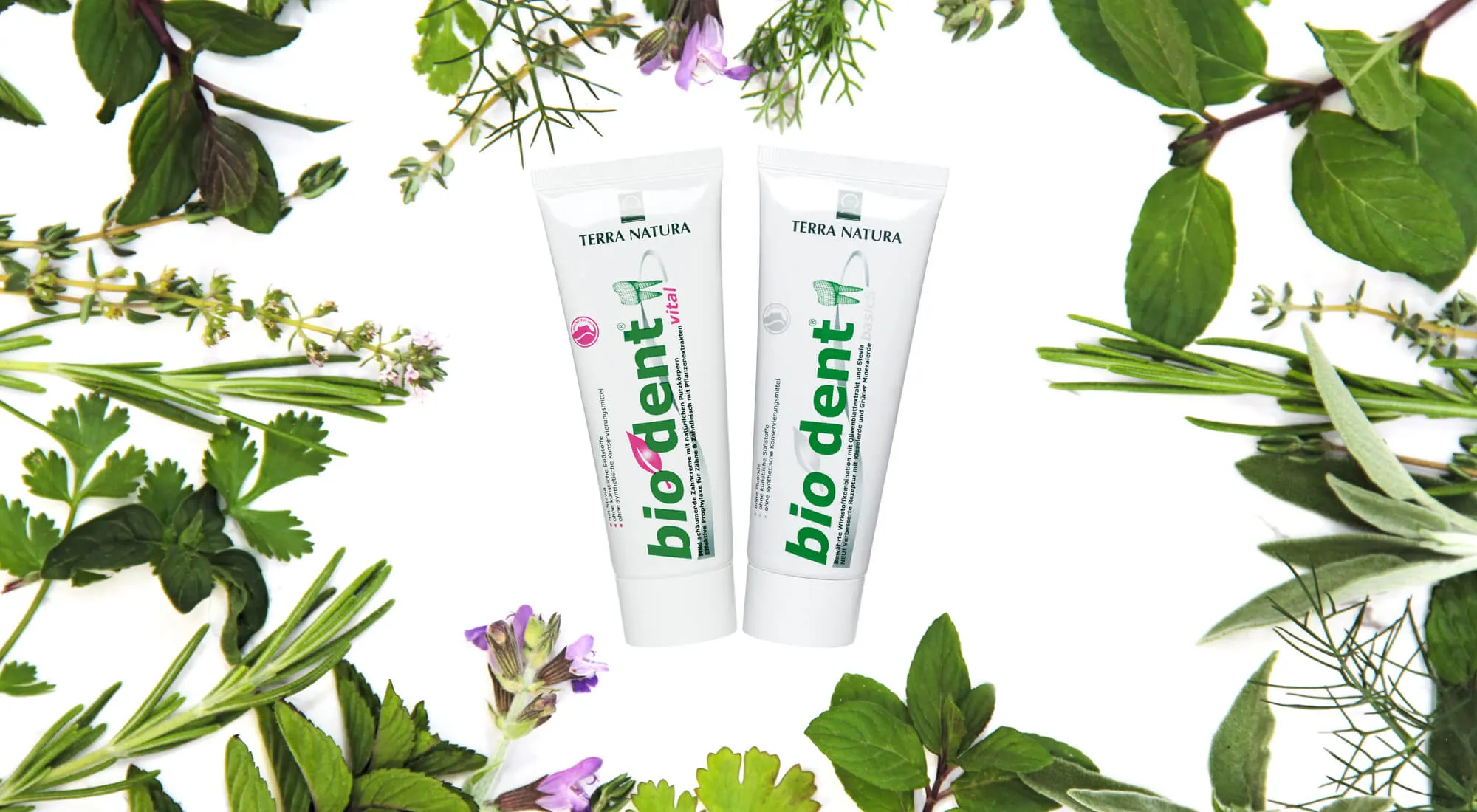
Toothpaste with Fluorides
Additionally, when selecting a toothpaste, it's essential to consider not only dental health but also its effects on the entire body.
While fluoridated toothpaste can provide some protection for teeth, it may be detrimental to the overall health of the human organism. Fluorides can accumulate throughout the body, potentially causing additional stress.
The key to maintaining healthy teeth lies not in the specific type of toothpaste used, but in thorough dental care.
The information presented might suggest that there are only two options: eating healthily while using fluoride-free toothpaste, or consuming unhealthy food and beverages, necessitating the use of fluoridated toothpaste.
However, this is a misconception. The most crucial factor for our dental health is ensuring that teeth are cleaned properly, regardless of fluoride content. A routine that includes brushing, rinsing, flossing, and so on is the most effective way to prevent tooth decay and other dental issues, a view shared by many dentists.
By the way:
Numerous scientific studies raise questions about whether the caries protection offered by fluoridated toothpaste is truly unparalleled.
In a 2007 study involving preschool children, the effectiveness of two different toothpastes was assessed. After five months of use, it was found that the fluoridated toothpaste with neem oil did not demonstrate greater efficacy against caries bacteria than the fluoride-free alternative.
Fluoride-Free Toothpaste Shows Similar Effectiveness to Fluoridated Options
Upon further examination, it became evident that the fluoride-free toothpaste performed slightly better. The reduction of caries bacteria in the group using fluoridated toothpaste was 90%, while those using fluoride-free toothpaste experienced a 91% decrease. Researchers concluded that both toothpaste types are effective in preventing tooth decay.
Another study from the University of Wales, conducted earlier, also failed to show significant differences in effectiveness between herbal toothpaste and fluoride toothpaste regarding gingivitis and plaque.
Efficacy of Fluoride Toothpaste Linked to Toxic Disinfectants
In 2015, scientists published findings in the Journal of Pharmaceutical Sciences comparing a fluoride toothpaste with a fluoride-free herbal alternative. While the fluoridated toothpaste displayed a slight advantage in tests, researchers noted the presence of triclosan, a chemical disinfectant known to have harmful effects on human health. This ingredient appears to be a major contributor to the high antimicrobial activity observed.
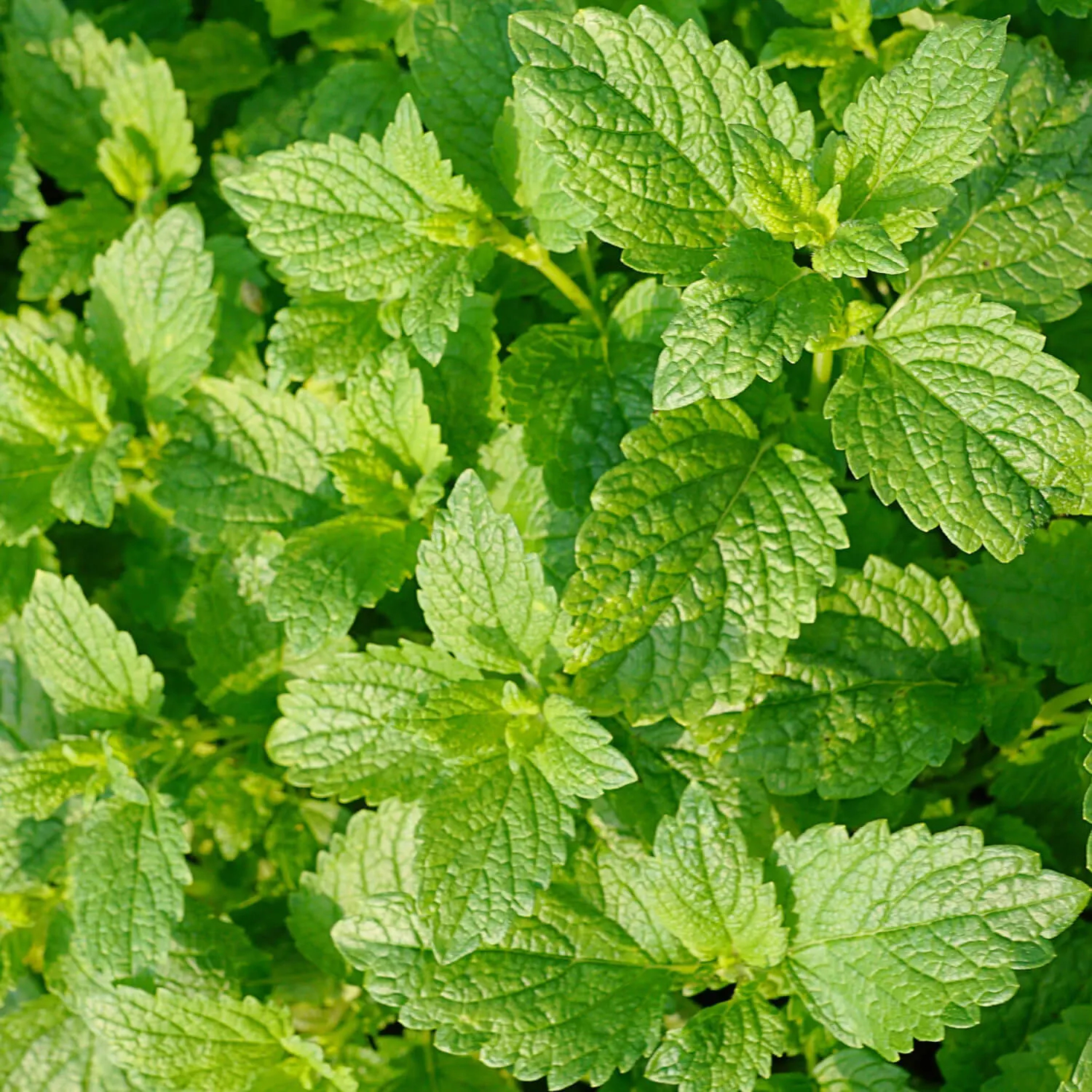
Spearmint Oil
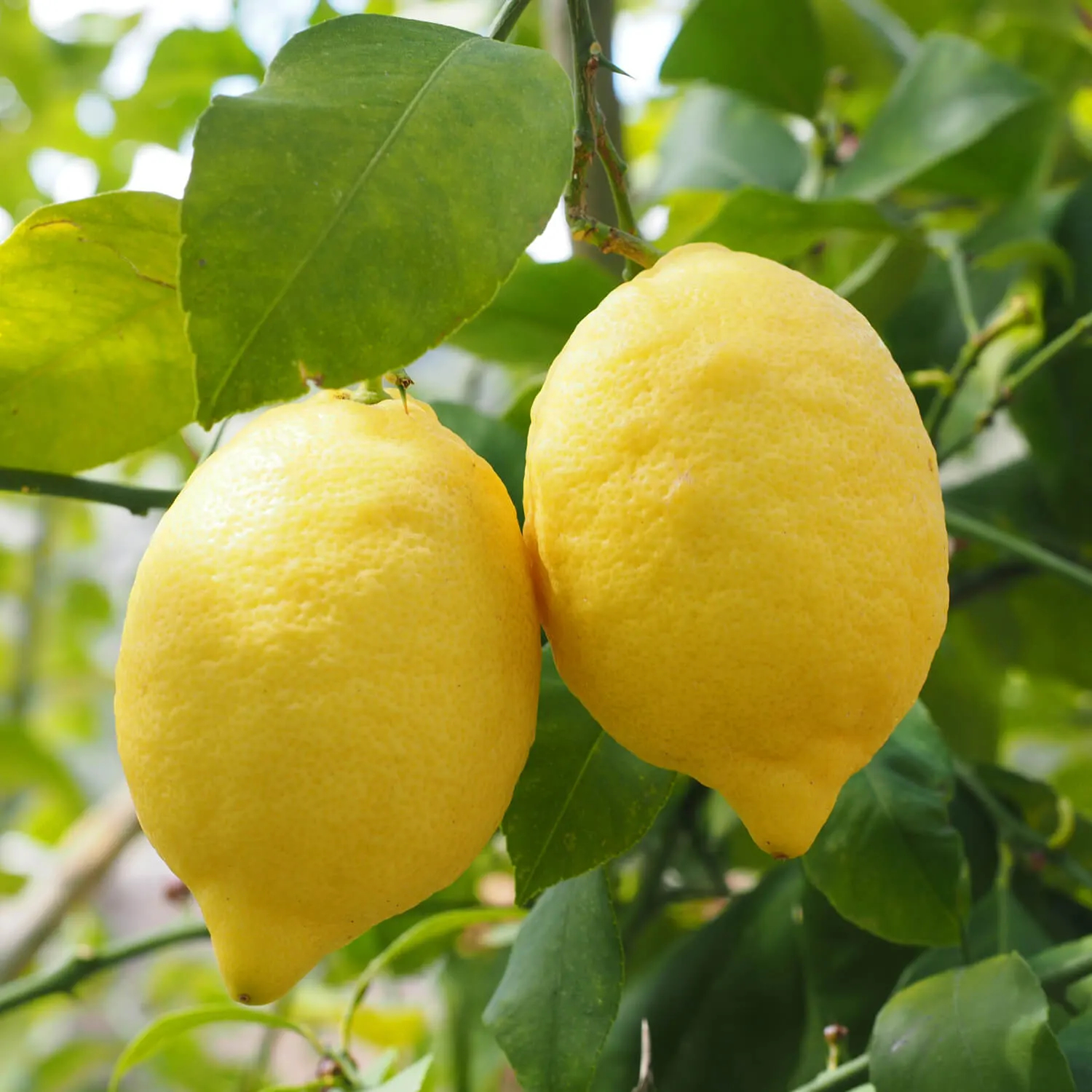
Citrus limonum | lemon tree
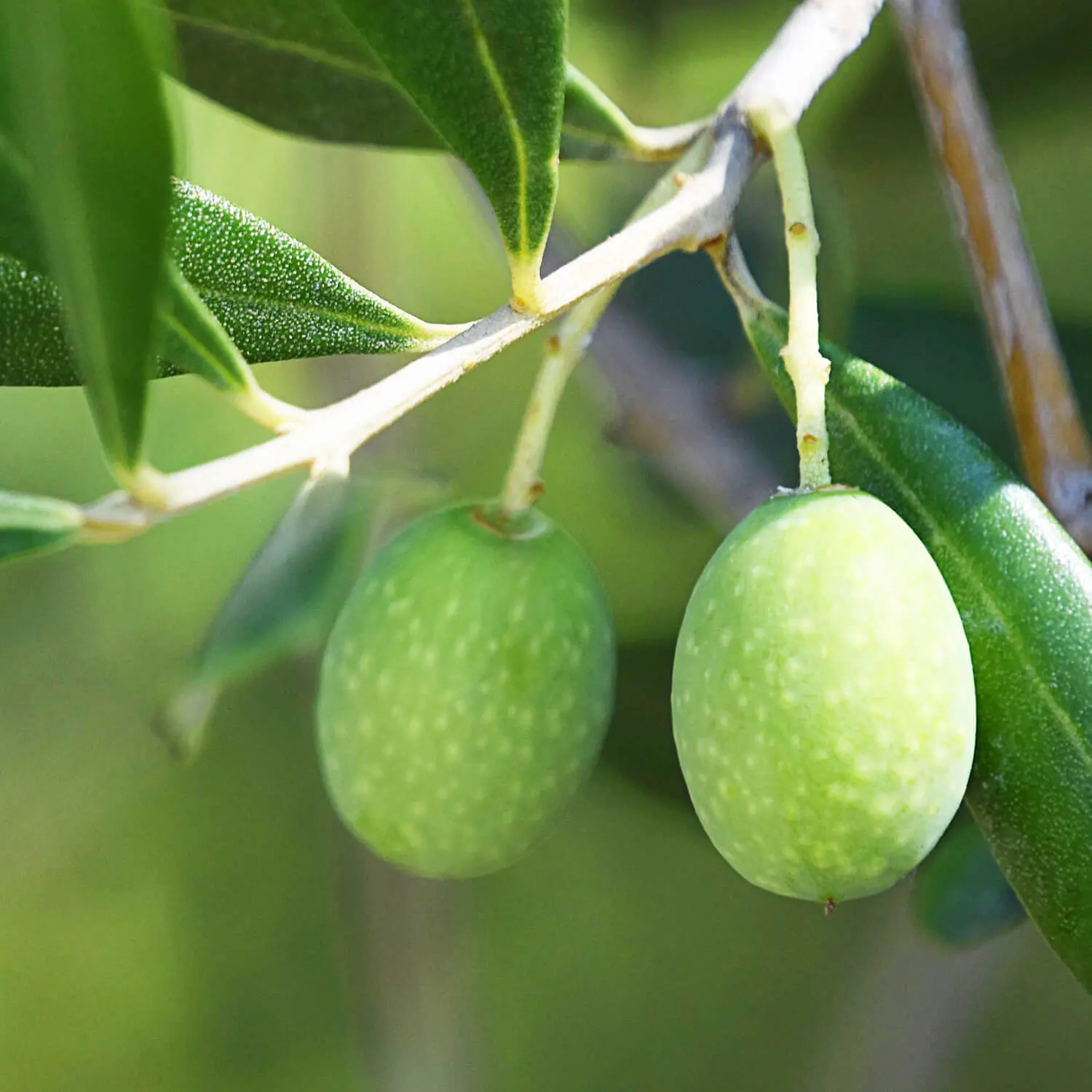
Olea Europaea - Olive Leaf Extract

Chamomilla Recutita | Real Chamomile Extract
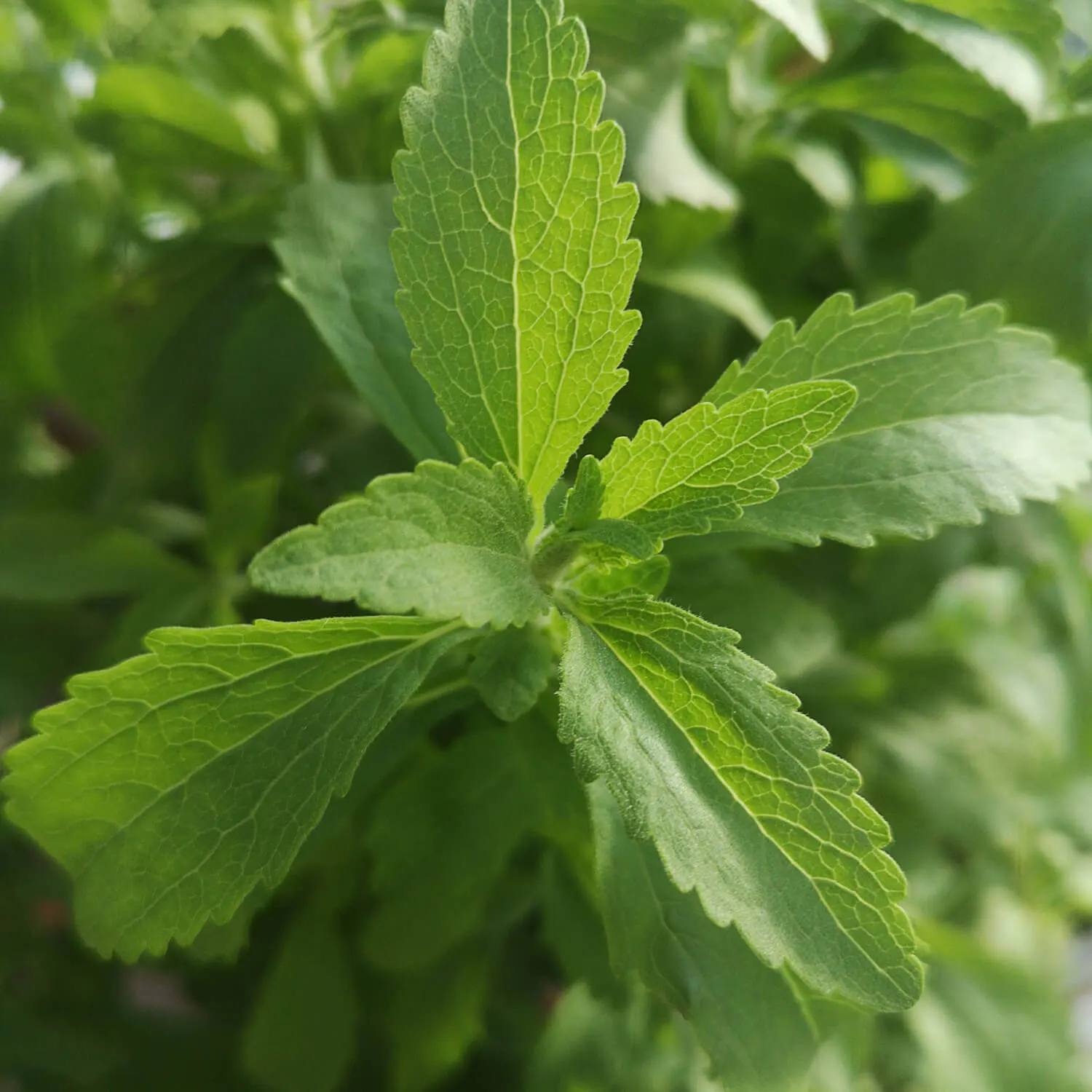
Stevia rebaudiana | leaf extract from the Stevia plant
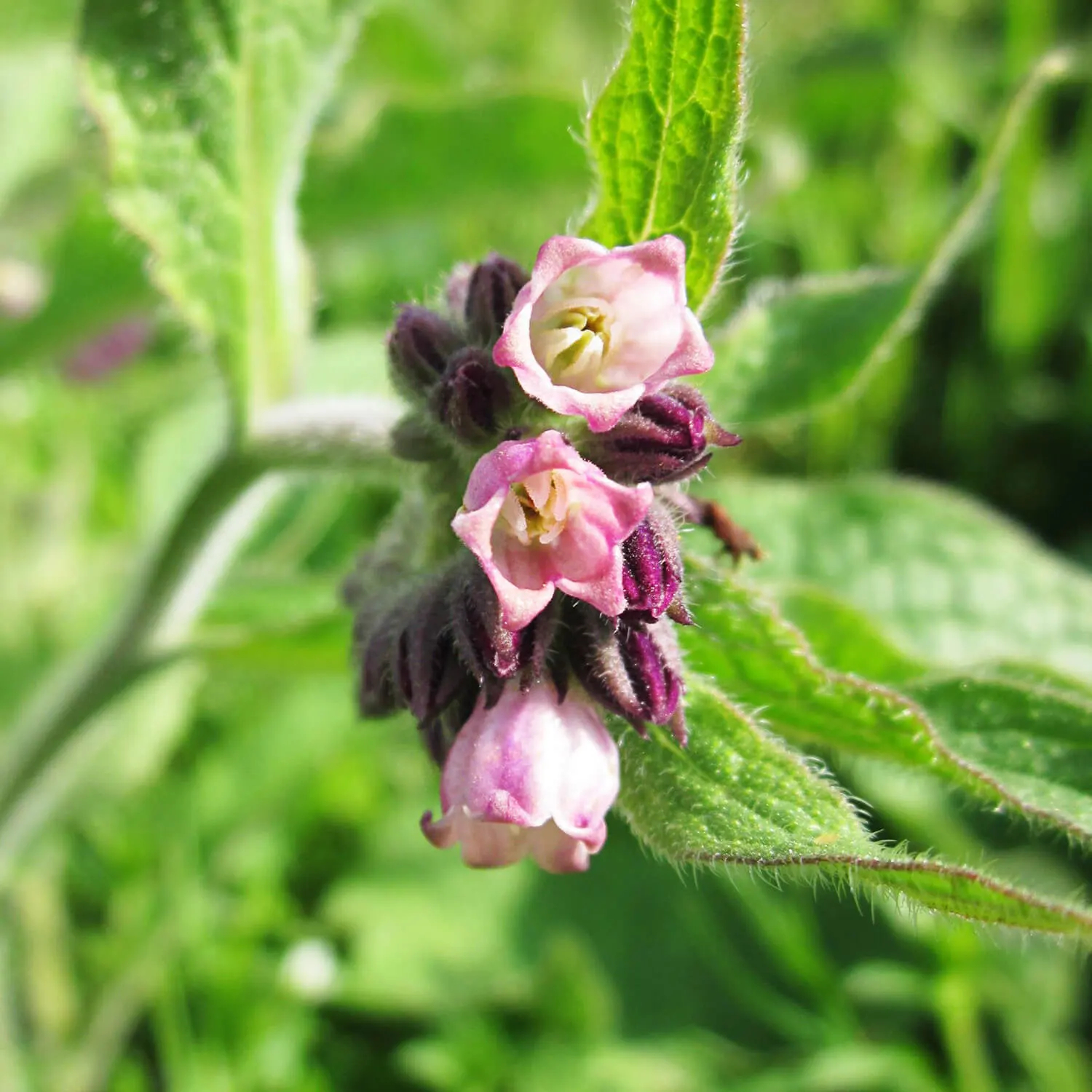
Symphytum Officinale - Comfrey Root Extract
By the way:
Triclosan exhibits a spectrum of action similar to that of chlorhexidine, a disinfectant commonly found in mouthwashes.
Many fluoride toothpastes contain disinfectants that can lead to tooth discoloration or a reduced sense of taste. These adverse effects are often overlooked when fluoride toothpastes are assessed.
Calcium Carbonate and Fluoride
If you've chosen to use fluoride toothpaste, it's essential to examine the ingredients carefully. Some formulations also include calcium carbonate. This combination can result in the formation of a complex between the two substances, significantly diminishing the effectiveness of fluoride.
Doubts About the Credibility of Pro-Fluoride Studies
The evidence supporting the caries-protective properties of fluoride toothpastes is frequently inconclusive. The successful fluoridation of drinking water is often cited as a prime example, with claims that countries utilizing fluoridated water have notably fewer cancer cases.
In a 2015 analysis by scientists from the Cochrane Collaboration, over 150 studies on this topic were reviewed, leading to a rather disappointing conclusion:
Most of the research was conducted prior to 1975, and the standards for studies back then are not comparable to today’s. Some studies could not even be included in the analysis due to poor design. Furthermore, approximately 97 percent of these studies exhibited a heightened risk of systematic errors.
Consequently, the findings of these studies hold limited significance. Experts also concur that for children under the age of six, it’s necessary to balance the risk of fluorosis against the benefits of caries prevention.
Conclusion: Toothpaste Doesn’t Necessarily Need Fluoride

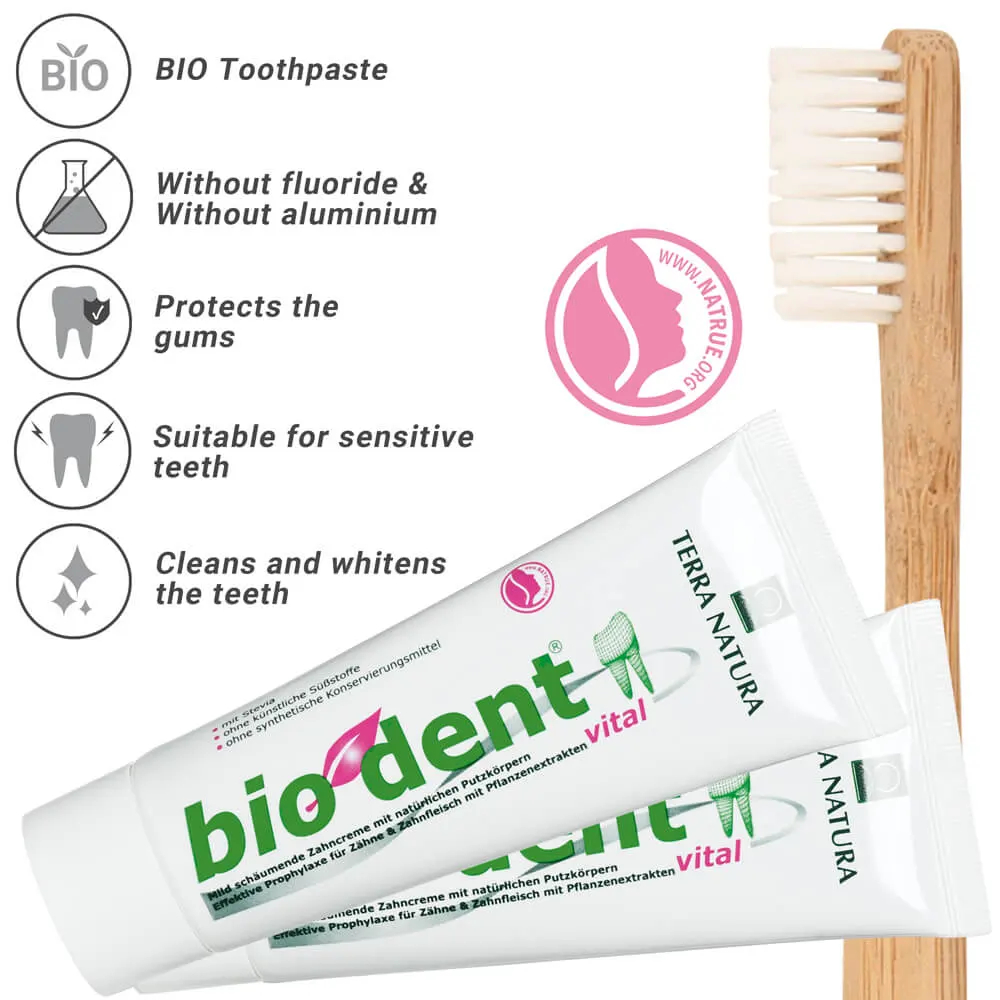
It’s not essential to use fluoride toothpaste for protecting your teeth from decay. A high-quality fluoride-free toothpaste can offer equivalent protection, especially if it comes from the natural cosmetics sector.
For those aiming to avoid unnecessary and potentially harmful chemicals found in fluoride toothpaste, a premium fluoride-free option is an excellent choice.
If you struggle to find a fluoride-free toothpaste at your local health food store or pharmacy, making your own is quite simple—coconut oil can serve as an effective base.
In addition to your regular dental hygiene routine, we suggest trying an oil rinse or oil pulling. This straightforward method is effective for daily detoxification and significantly benefits dental and oral health.
References
Kurian M et al., "A Comparative Study on the Effect of Herbal and Fluoride Toothpaste on Streptococcus Mutans," Journal of Pharmaceutical Sciences and Research, 2015. (Impact of herbal versus fluoride toothpaste on Streptococcus mutans: a comparative study)
Glenny AM et al., "Water Fluoridation for Preventing Dental Caries," Cochrane Database Syst Rev, June 2015. (Fluoridation of drinking water for caries prevention)
Arambepola S et al., "A Comparative Study on the Fluoride Content of Commercially Available Fluoridated Toothpastes in Sri Lanka," Health and Hygiene, July 4-5, 2014. (Comparative analysis of fluoride levels in commercially available fluoridated toothpastes in Sri Lanka)
Deshpande R et al., "Comparative Evaluation of Antimicrobial Efficacy of Two Commercially Available Dentifrices (Fluoridated and Herbal) Against Salivary Microflora," International Journal of Pharmaceutical Sciences, 2014. (Evaluation of the antimicrobial effectiveness of two commercially available dentifrices (fluoridated and herbal) against salivary microflora)
Wong MC, Worthington HV et al., "Cochrane Reviews on the Benefits and Risks of Fluoridated Toothpastes," J Dent Res, May 2011. (Cochrane reviews regarding the advantages and disadvantages of fluoridated toothpaste)
Sudha P, K Venkataraghavan, A Anantharaj, Shankargouda P., "Comparison of Two Commercially Available Toothpastes on the Count of Salivary Streptococcus Mutans in Urban Preschool Children: An In Vivo Study," International Dentistry SA, 2010. (Comparison of two commercially available toothpastes regarding Streptococcus mutans levels in the saliva of preschool children: an in vivo study)
Claydon N et al., "Utilizing Plaque Area and Index to Assess the Impact of Fluoride and Chlorhexidine Toothpastes on 24-Hour Plaque Regrowth," Clinical Periodontology, July 1995. (Measurement of the effect of fluoride and chlorhexidine toothpaste on 24-hour plaque regrowth using plaque area and index)
Moran J et al., "Comparative Analysis of Herbal Toothpaste versus Fluoride Toothpaste on Plaque and Gingivitis," Clinical Preventive Dentistry, May-June 1991; 13(3):12-5. (Comparison between herbal toothpaste and fluoride toothpaste concerning plaque and gingivitis)