Origin and Development of Stevia
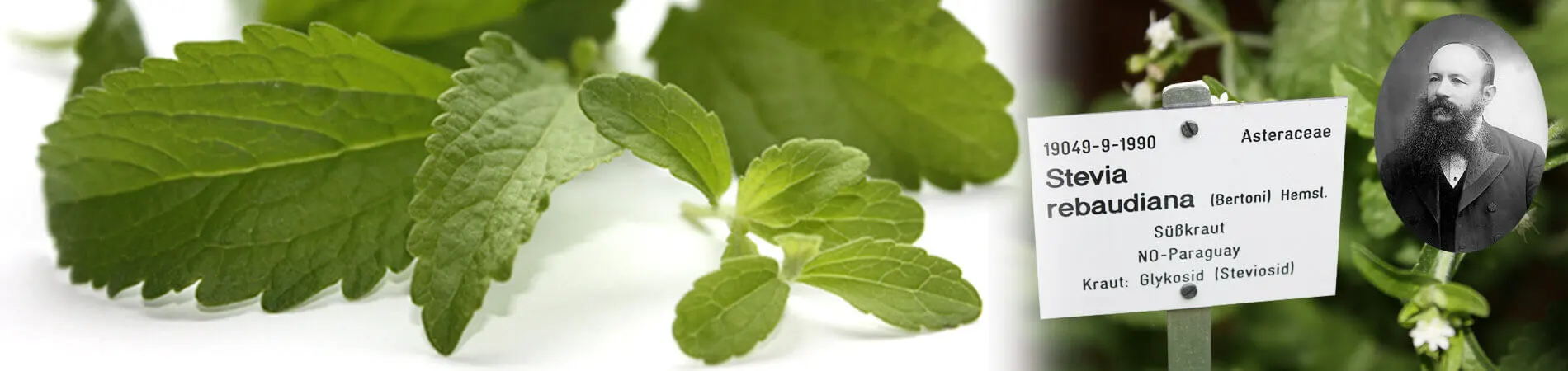
The Stevia rebaudiana plant originally comes from Paraguay, a South American country. The locals refer to Stevia by other names such as Sweet Herb, Caa-Hee, or Yerba Dulce.
Both the Guarani Indians and the indigenous people of the Mato Grosso region continue to use Stevia as both a medicinal and sweetening agent.
Moisés Giacomo Santiago Bertoni and the Discovery of Stevia
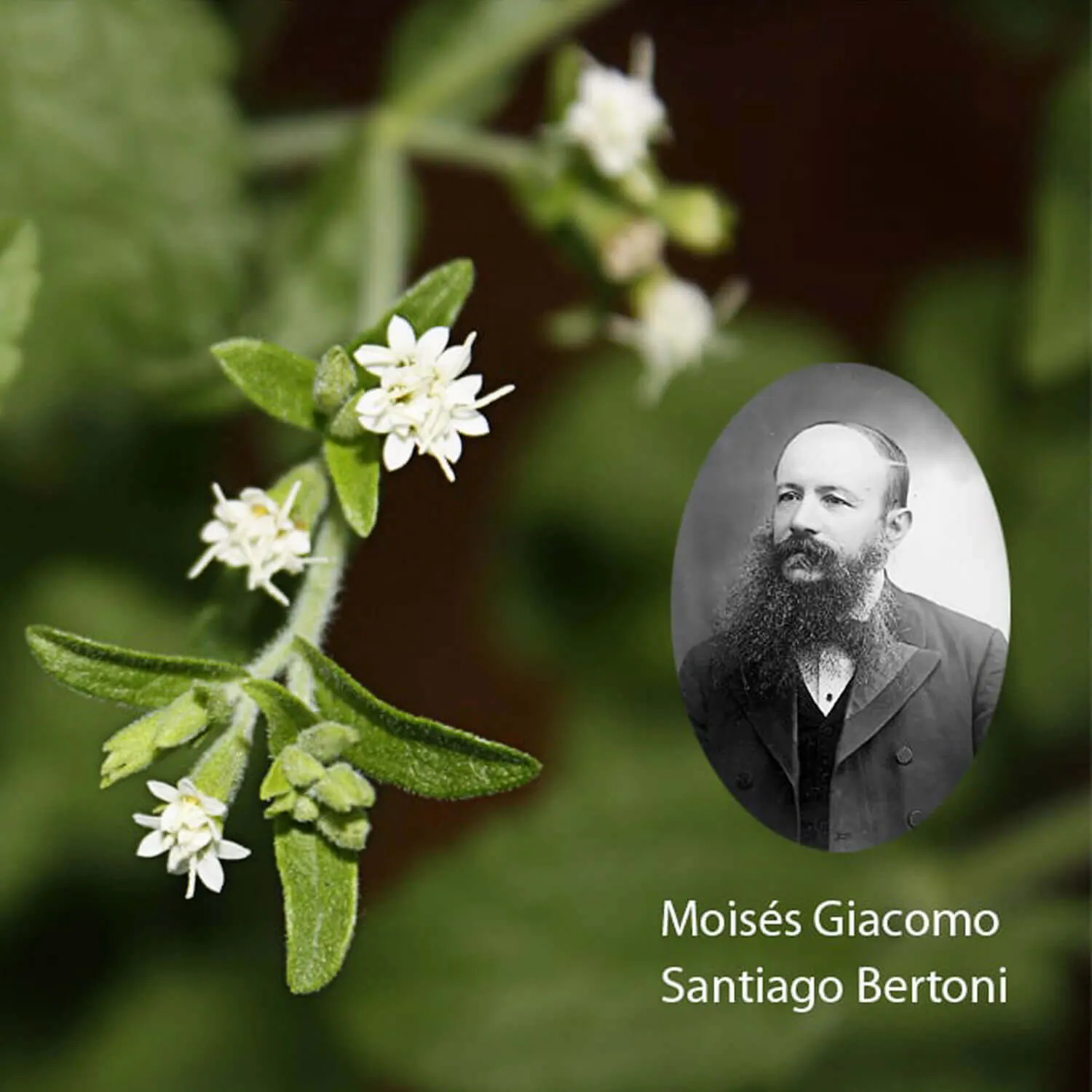
The Swiss researcher Moisés Giacomo Santiago Bertoni settled on the banks of the Paraná River in Paraguay, near the Brazilian border, in 1884, where he discovered the honey leaf, also known as Caa-Hee.
In 1905, the plant was named Stevia rebaudiana Bertoni in honor of Moisés Giacomo Santiago Bertoni and the chemist Ovidio Rebaudi.
Rebaudi was the first to isolate and name the sweet components of the Stevia leaves. The current description of steviosides is attributed to the French chemists M. Bridel and R. Laveille, who worked on it in 1931.
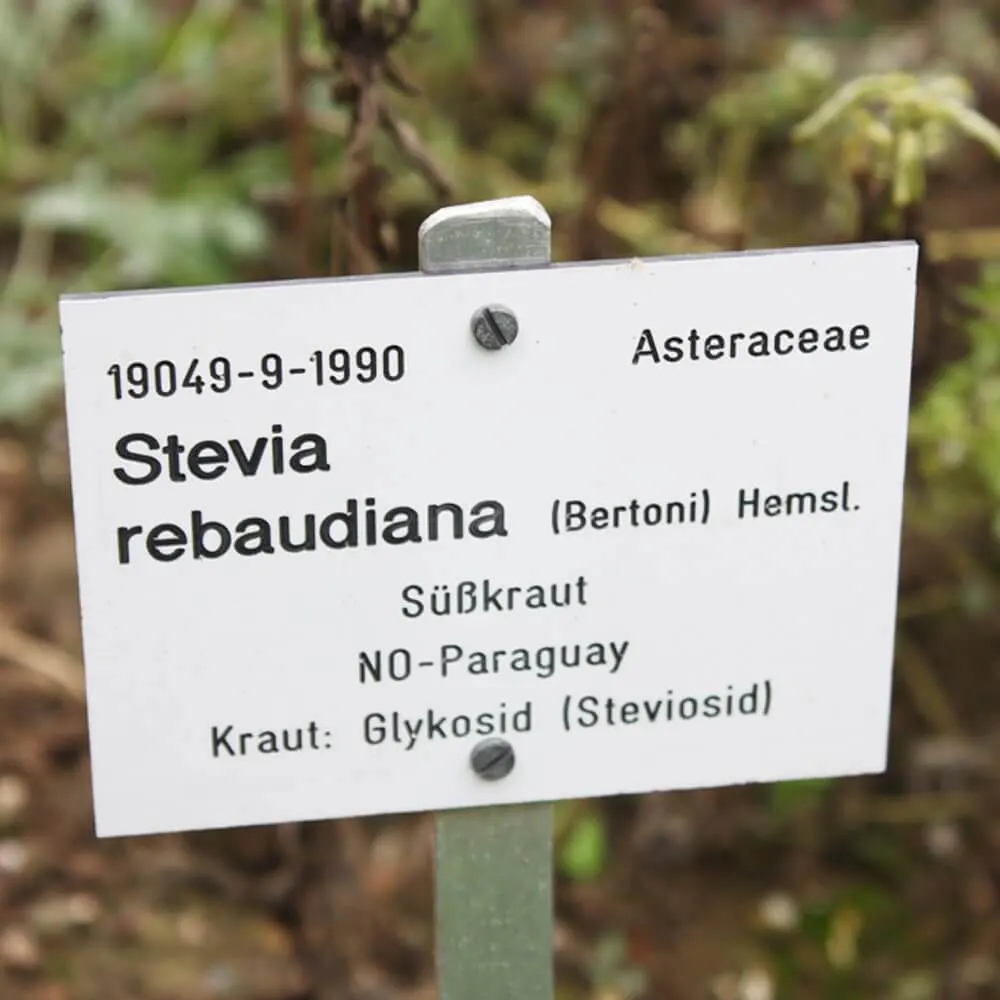
Distribution of Stevia
Stevia gained popularity as early as the 1950s in Japan and today holds a significant share of the sweetener market. It is now widely used throughout the Asian region.
In contrast, it took much longer for the Western world, with the U.S. Food and Drug Administration (FDA) granting approval for steviol glycosides in 2008. Steviol glycosides received the GRAS certification (GRAS = generally regarded as safe), signifying their safety in the U.S.
France followed suit in 2009 by approving Rebaudioside A 97. In December 2011, steviol glycosides were also approved by the European Food Safety Authority (EFSA) in the EU. Today, the sweetener Stevia is accepted and approved almost worldwide.
Traditions and Herbal Medicine with Stevia
In South America, the popular Mate tea has been sweetened with Stevia for centuries. The local population often uses whole Stevia leaves or ground green Stevia leaf powder for this purpose.
Not only the Guarani Indians but also the indigenous tribes of the Mato Grosso region continue to use Stevia as both a medicinal and sweetening agent. Liquid Stevia was used by them for physical weakness, blood pressure issues, stomach and intestinal ailments, as well as skin and fungal problems.
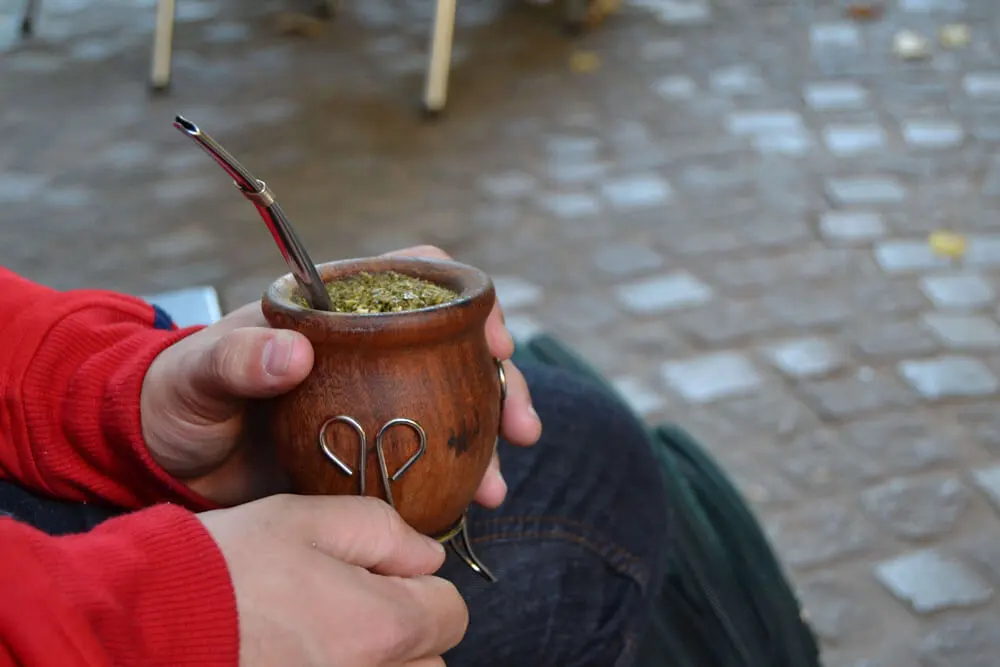
Yerba Mate Tea, Sweetened with Stevia
In Latin America, particularly in countries such as Argentina, Brazil, Peru, and Paraguay, medications containing Stevia are currently offered for the treatment of asthma, diabetes, and flu. In South America, you can also find numerous tea blends with Stevia and natural herbs for allergies and weight loss in health food stores or traditional markets.
Many Stevia products are now available worldwide in supermarkets and drugstores.
However, the quality of Stevia extracts used in these products is often low. You can identify this by looking at the ingredient list if the products are mixed with dextrose, sucralose, glucose, or additional flavors.