
What does sugar addiction mean?
Similar to tobacco or certain substances, sugar can also cause addiction. Excessive consumption of sweet foods and sugar can have negative effects on weight and physical health, potentially leading to dependence. Sugar addiction is present when there is a constant craving for sweets.
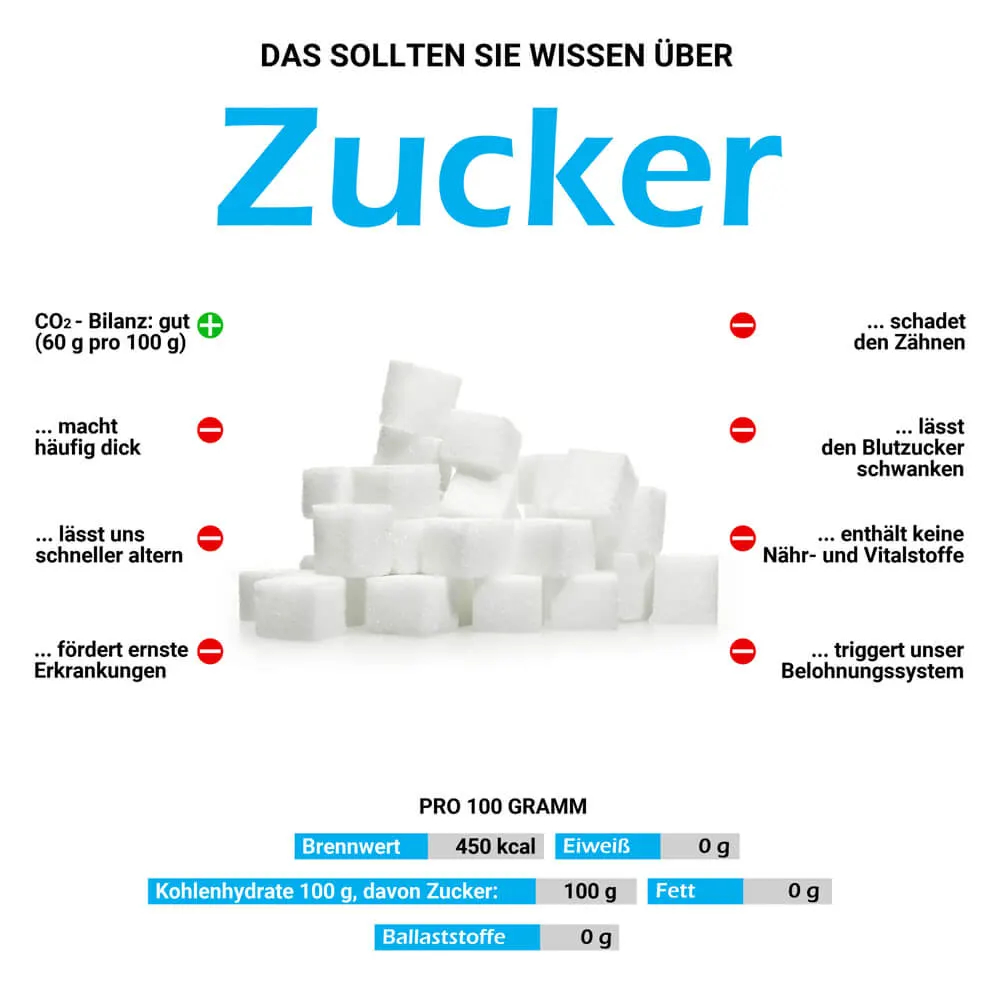
The brain's reward system is activated and dopamine is released. This occurs with sugary foods and is somewhat similar to the effect of certain drugs.
The health risks of sugar addiction
Anyone can be affected by sugar addiction, often without realizing it themselves. Many people consume sugar daily in the form of desserts, cakes, and sweetened foods and drinks. Many have already noticed the adverse health effects associated with high sugar consumption.
Sugar as a potential drug
Although sugar is not officially classified as a drug, if it were, sugary additives would no longer be allowed in foods and could not be sold to children. Additionally, packaging would need to carry warnings such as "Sugar can quickly lead to addiction."

Sugar addiction leads to a persistent craving for sweet foods.
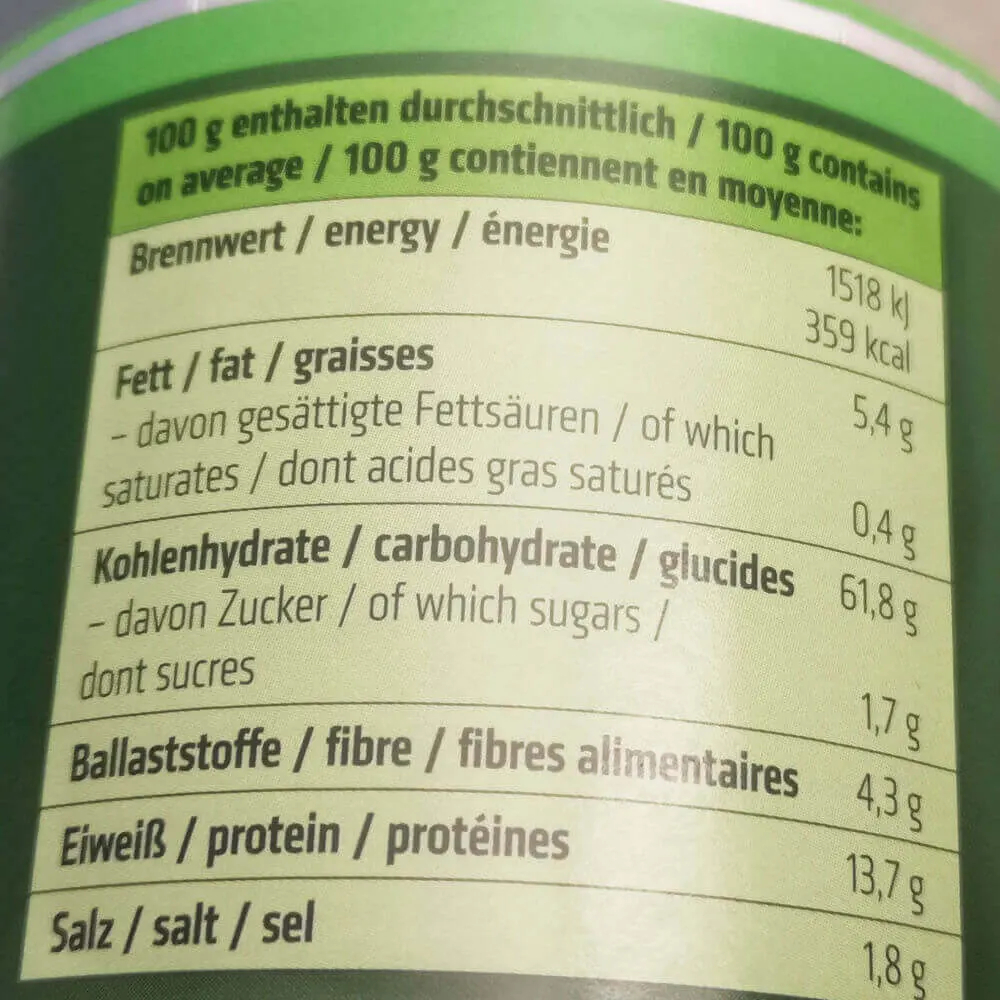
Sugar addiction - Pay attention to nutrients and reduce sugar consumption
Development of a sugar addiction
Our diet is mainly composed of fats, proteins, and carbohydrates. The composition of sugar and starch affects how carbohydrates influence our blood sugar levels. Carbohydrates are categorized into monosaccharides, disaccharides, and oligosaccharides, with the number of sugar chains playing an essential.
Glucose, also known as dextrose, is an example of a monosaccharide. Table sugar, or sucrose, consists of two molecules: fructose and glucose, classifying it as a disaccharide. Oligosaccharides, which often appear in rice syrup, are examples of sugars containing three to nine molecules. Sugars with more than ten monosaccharide molecules are called polysaccharides, which include starch, fiber, and dextrins.
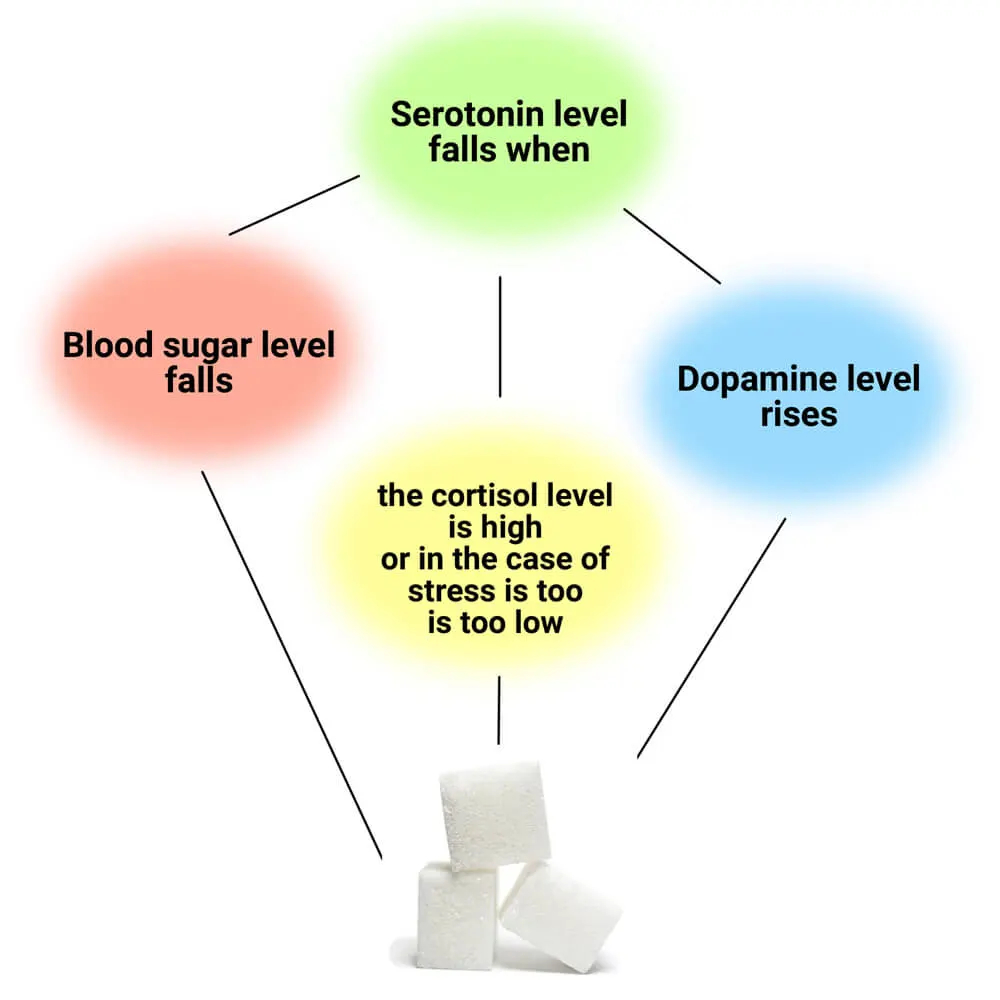
Continuous sugar consumption disrupts the balance of neurotransmitters and brain metabolism
When sugar with shorter chains is consumed, the blood sugar level rises more quickly.
The pancreas produces insulin as soon as carbohydrates are ingested, which is necessary for sugar to move from the blood into cells and be used as energy in the form of ATP.
Just ten to twenty minutes after consuming a chocolate bar, blood sugar levels rise. Insulin is quickly released, which causes the blood sugar to rapidly drop again. The brain reacts sensitively to this quick drop, triggering a strong sensation of hunger. Foods with a high glycemic index, such as pasta and pastries, also cause a rapid increase in blood sugar.
The brain plays a major in sugar addiction by suppressing free will during an "energy crisis." This can lead to consuming an entire bag of gummy bears, a whole bar of chocolate, or a second plate of pasta. But why does this happen?
The balance of dopamine, cortisol, and serotonin is disturbed
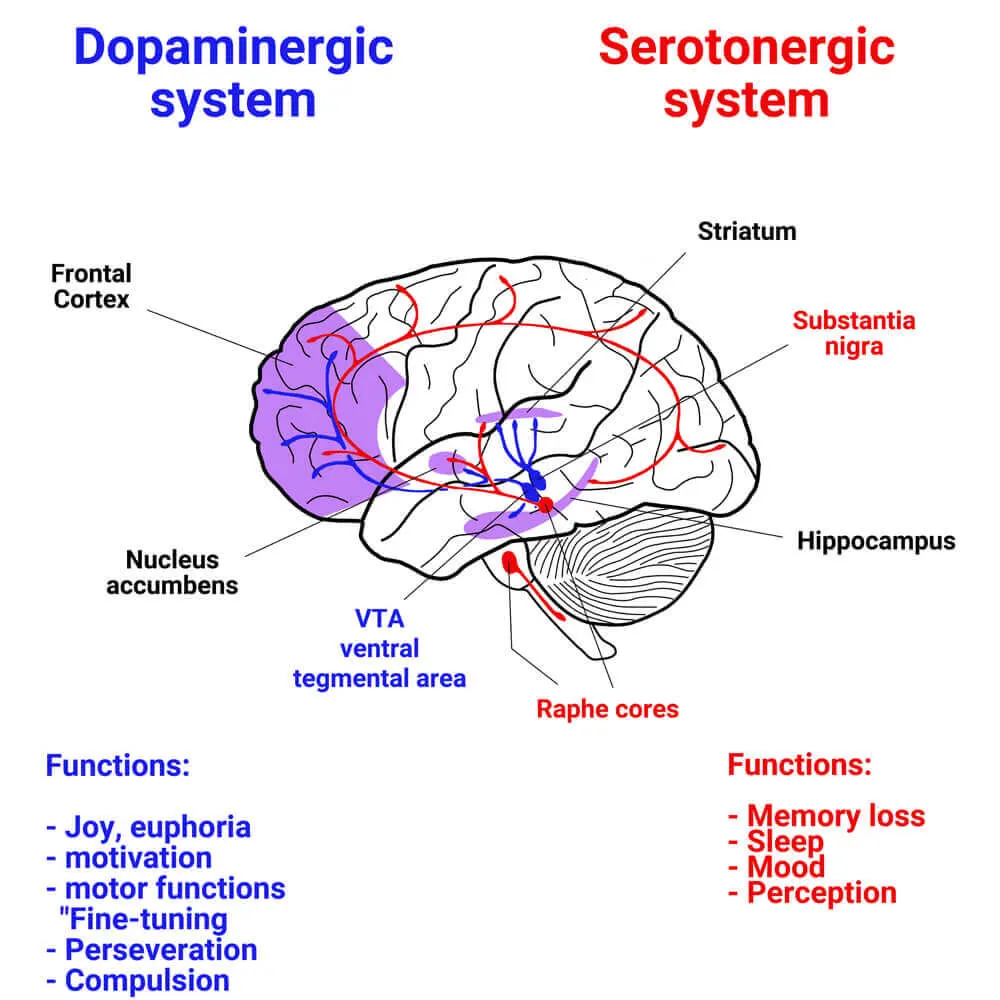
Addiction results from an imbalance of neurotransmitters in the brain, particularly serotonin and dopamine. The serotonin level fluctuates with the blood sugar level. Since serotonin contributes to a good mood, low serotonin causes dissatisfaction, irritability, and lack of motivation. The lower the serotonin level, the higher the potential for addiction.
Dopamine acts as a hormone and neurotransmitter, rising with increased blood sugar. Regarding sugar, it functions as a rewarding substance, creating a sense of well-being when consuming sweets. The desire to recreate this feeling leads to repeated sugar consumption. Over time, the body adjusts to sugar intake, requiring more sugar to achieve the same feeling of well-being, creating a vicious cycle.
An increased dopamine level corresponds with a reduced serotonin level. In stressful situations, more of the stress hormone cortisol is released, which stabilizes blood sugar by ensuring that internal glucose reserves remain available. High insulin and cortisol levels allow for short-term concentration.
During a dopamine high, mood is good. However, under chronic stress, the low serotonin level has negative effects. On average, a person consumes about 47 sugar cubes per day, causing nutritional stress for every cell in the body. To counteract high cortisol levels, people often turn to sweets. Initially, this helps, but in the long term, cortisol levels drop below normal, causing discomfort and increasing the desire to consume sweets again.

Foods high in sugar are known to stimulate the brain's reward system.

Overcoming Sugar Addiction

Are You Dependent on Sugar?
A dependency is present when one can no longer function without a specific substance. The following signs may indicate a sugar addiction:
· Regular and possibly secret snacking between meals
· Stockpiling sweets in preparation for the weekend
· Difficulty controlling sweet consumption, leading to feelings of guilt
· Preference for sugary drinks and fast food, despite resulting lethargy
· Sugar-free phases in the diet following cravings
· Using sweets to cope with stress
· Feelings of restlessness, nervousness, and tension after eating

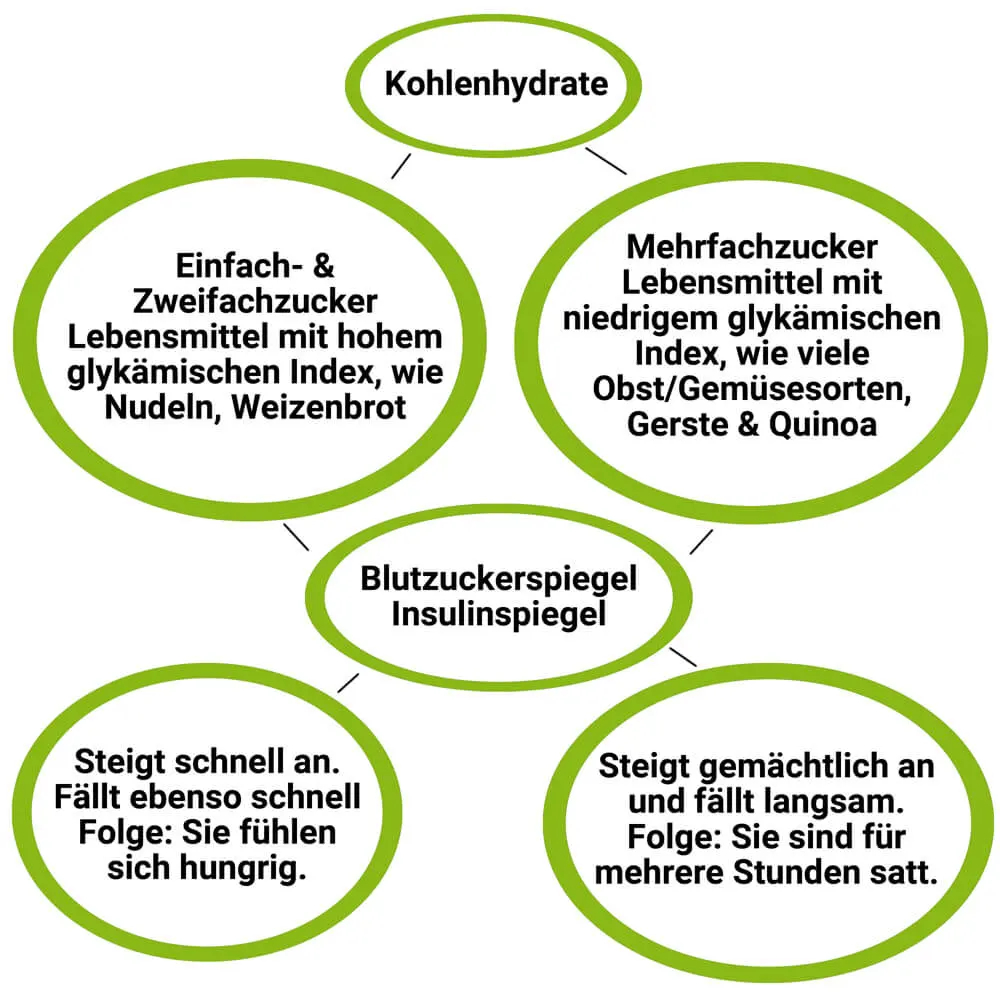
Carbohydrates, Blood Sugar, and the Glycemic Index: The Effects of Different Carbohydrates
Serotonin and Dopamine: Their Role and Representation in the Brain

Per Capita Sugar Consumption
In Germany, the per capita sugar consumption is about 35 to 40 kilograms per year. In countries like the USA and Switzerland, this figure is nearly double.
This consumption includes not only the sugar we use to sweeten coffee or in baking but also the hidden sugars found in processed foods, such as jam, cocoa, nut nougat spreads, juices, soft drinks, chips, cookies, and muesli. In many of these products, the high sugar content is not immediately apparent.
Even a partial reduction in daily sugar consumption can have long-term benefits for dental health. Stevia, a natural sweetener, not only helps in preventing cavities but can also inhibit the formation of plaque on teeth.

Reducing Sugar Consumption
Summary: The craving for sugar is triggered by several factors:
· Lack of satisfaction associated with low serotonin levels
· A trained reward system in the brain reinforced by dopamine
· Stressful situations leading to increased cortisol levels
· A rapid drop in blood sugar levels
Constant sugar consumption disrupts the interaction between neurotransmitters and brain metabolism.
Goodbye to Sugar
How does sugar addiction threaten health?
Continuous high sugar intake can overload the mitochondria in our cells. These organelles, often termed the "powerhouses of the cell," produce ATP, the form of energy for the cell. Excessive sugar consumption can lead to cells becoming insensitive to insulin, causing sugar to remain in the blood. As a result, the pancreas increases insulin production, eventually leading to insulin resistance.
This process occurs gradually. Initially, fat cells store the excess energy for lean times, which never actually arrive. Over time, these fat cells start releasing hormone-like substances that are harmful to the body. This can lead to brain overload and potentially cause leptin resistance. Leptin is the hormone that controls the feeling of fullness.
Initially, disruptions in sugar metabolism may present as slight deviations in urea, ferritin, and blood levels. These signs can develop into leptin resistance, type 2 diabetes, abdominal fat accumulation, and metabolic syndrome. In the long term, there is a risk of neurodegenerative diseases such as neuropathic pain and Alzheimer's.
The book "Sugar – The Silent Killer" thoroughly discusses how sugar consumption can affect various diseases.
Strategies for Managing Sugar Addiction
The goal is not to eat only carrots. Overcoming sugar addiction does not require deprivation or relapses.
Tip: Prepare your meals using fresh ingredients and drink only sugar-free beverages.
A practical approach to breaking free from sugar is to cook with unprocessed foods and avoid sugary drinks.
The average daily consumption of around 100 grams of sugar doesn't come from 47 sugar cubes. Most of the sugar we consume comes from store-bought products. Especially semi-prepared and ready-made foods, as well as industrially processed products, often contain sugar that enhances flavor.
In combination with fat and salt, this sugar can deceive our taste buds, making it difficult to assess whether a food is healthy or unhealthy. Food technicians continuously seek the ideal "bliss point"—the perfect combination of sugar, salt, and fat to achieve maximum flavor satisfaction. Flavor enhancers lead to sensory-specific satiety.
A prepared tomato soup can contain up to 75% of the daily salt requirement and about 3.5 teaspoons of sugar. Is that a choice you'd make when cooking?
Drinks often hide 20 to 30 grams of sugar, whether it's fruit juice, flavored water, or soda. Even a can of green cola contains about 22 grams of sugar.
The following measures are necessary to break free from sugar addiction:
· Stabilizing blood sugar levels
· Regulating cortisol levels
· Increasing serotonin levels
Carbohydrates that cause a gradual rise in blood sugar are ideal. These include foods with unbranched starch, plenty of fiber, and a low glycemic index. For breakfast, spelt bread with a whole orange is preferable to options like orange juice, baguette, or toast.
Many people opt for a sweet breakfast, including items like jam, muesli, and chocolate spreads. However, a glance at the nutrition labels of commercial mueslis reveals that a serving can contain about 15 to 25 grams of sugar.
Even higher in sugar is the popular nut nougat spread, with a sugar content of over 50%. By choosing muesli or spreads sweetened with natural sugar substitutes, you can enjoy a sweet breakfast without entirely giving up on sugar.
There are already muesli options that use erythritol and stevia, which not only taste pleasantly sweet but also have a minimal impact on blood sugar levels.
When enjoying unprocessed, natural foods, you don't have to feel guilty. To successfully start a sugar-free diet, it's important to initially ensure that you don't go longer than 3 to 4 hours between meals. Otherwise, the brain may become stressed and revert to old behavior patterns.
During the process of overcoming sugar addiction, it can be helpful to explore alternatives to common grains. Quinoa is an excellent example of this. This protein-rich plant from the amaranth family resembles rice and can be used in both savory and sweet dishes.
To ensure a successful transition, it's advisable to give your body 2 to 3 months to adjust. Not everything has to be perfect from the start. Overcoming sugar addiction is best achieved in small steps. Celebrating even the smallest achievements is important, as this positive mindset increases dopamine release, which helps solidify new neural connections in the brain.
The brain will repeatedly seek out these new, positive habits since it learns quickly. In times of acute stress, relapses like cravings may occur, but these should not be seen as a reason to give up.
Book recommendation on sugar addiction:
Sugar – The Silent Killer

Breaking Free from Sugar Addiction with the 4-Step Withdrawal Program
The goal is not to eat only carrots. Overcoming sugar addiction does not require deprivation or relapses.
Tip: Prepare your meals using fresh ingredients and drink only sugar-free beverages.
A practical approach to breaking free from sugar is to cook with unprocessed foods and avoid sugary drinks.
The average daily consumption of around 100 grams of sugar doesn't come from 47 sugar cubes. Most of the sugar we consume comes from store-bought products. Especially semi-prepared and ready-made foods, as well as industrially processed products, often contain sugar that enhances flavor.
In combination with fat and salt, this sugar can deceive our taste buds, making it difficult to assess whether a food is healthy or unhealthy. Food technicians continuously seek the ideal "bliss point"—the perfect combination of sugar, salt, and fat to achieve maximum flavor satisfaction. Flavor enhancers lead to sensory-specific satiety.
A prepared tomato soup can contain up to 75% of the daily salt requirement and about 3.5 teaspoons of sugar. Is that a choice you'd make when cooking?
Drinks often hide 20 to 30 grams of sugar, whether it's fruit juice, flavored water, or soda. Even a can of green cola contains about 22 grams of sugar.
The following measures are necessary to break free from sugar addiction:
· Stabilizing blood sugar levels
· Regulating cortisol levels
· Increasing serotonin levels
Carbohydrates that cause a gradual rise in blood sugar are ideal. These include foods with unbranched starch, plenty of fiber, and a low glycemic index. For breakfast, spelt bread with a whole orange is preferable to options like orange juice, baguette, or toast.
Many people opt for a sweet breakfast, including items like jam, muesli, and chocolate spreads. However, a glance at the nutrition labels of commercial mueslis reveals that a serving can contain about 15 to 25 grams of sugar.
Even higher in sugar is the popular nut nougat spread, with a sugar content of over 50%. By choosing muesli or spreads sweetened with natural sugar substitutes, you can enjoy a sweet breakfast without entirely giving up on sugar.
There are already muesli options that use erythritol and stevia, which not only taste pleasantly sweet but also have a minimal impact on blood sugar levels.
When enjoying unprocessed, natural foods, you don't have to feel guilty. To successfully start a sugar-free diet, it's important to initially ensure that you don't go longer than 3 to 4 hours between meals. Otherwise, the brain may become stressed and revert to old behavior patterns.
During the process of overcoming sugar addiction, it can be helpful to explore alternatives to common grains. Quinoa is an excellent example of this. This protein-rich plant from the amaranth family resembles rice and can be used in both savory and sweet dishes.
To ensure a successful transition, it's advisable to give your body 2 to 3 months to adjust. Not everything has to be perfect from the start. Overcoming sugar addiction is best achieved in small steps. Celebrating even the smallest achievements is important, as this positive mindset increases dopamine release, which helps solidify new neural connections in the brain.
The brain will repeatedly seek out these new, positive habits since it learns quickly. In times of acute stress, relapses like cravings may occur, but these should not be seen as a reason to give up.
Goodbye to Sugar

Sugar-Free Happiness in 8 Weeks – With 108 Recipes
In her book "Goodbye Sugar," author Sarah Wilson shares her personal experiences with sugar addiction and her journey to a sugar-free diet. She decided to eliminate sugar from her kitchen to improve her health.
The 8-week program starts gently in the first two weeks under the motto "I'm just trying it out." During this phase, simple steps such as reducing sugar in coffee are suggested. The book is filled with practical tips, useful information, and weekly plans to ease the transition.
Sarah Wilson demonstrates that giving up sugar does not equate to a loss of quality of life. With over 100 delicious recipes, she proves that a sugar-free diet can offer diverse and enjoyable meals.
Additionally, the book provides storage and shopping tips as well as fully illustrated pages that offer readers guidance and inspiration. It is highly recommended.