Stevia Leaves Usage + Tips
Insights About the Leaves of the Stevia rebaudiana Plant
Originating from South America, the versatile Stevia rebaudiana Bertoni plant offers consumers and diabetics a novel natural way to sweeten. Its use is gaining popularity not only in kitchens but also in cosmetics and dental care. The benefits of the sweet compounds found in Stevia leaves are prompting a global shift among many people who wish to consume less sugar. With their natural sweetening power, Stevia leaves are not only low in calories and tooth-friendly but also possess numerous valuable properties beneficial for individuals with diabetes or obesity.
The Stevia plant is native to South America, particularly in Argentina, Paraguay, and Brazil. In these regions, Stevia leaves have been used for centuries by local populations not only for sweetening mate tea but also for medicinal purposes. Predominantly cultivated in farming cooperatives, the Stevia plants are often hand-harvested and gently air-dried, ensuring that they are free of artificial additives and of the highest quality. In a raw food diet, nothing is consumed that has been heated above 42 degrees Celsius, thereby preserving enzymes and vitamins that could be destroyed by heat. Increasingly, products using the leaf's components are emerging to leverage the benefits of this natural product.
The naturally dried leaves of the Stevia plant are excellent sugar alternatives for tea and other beverages. The sweetness of Stevia leaves is inherently much stronger than that of household sugar. This favored sugar substitute is notably long-lasting and, due to its intense sweetness, can be used very sparingly.
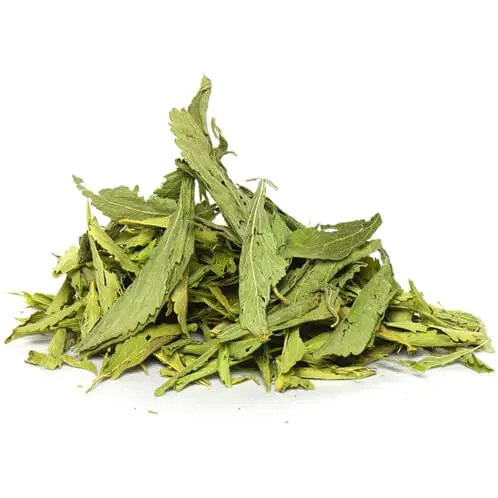
Dried Stevia Leaves from the Stevia rebaudiana Plant.
The leaves can be used in a wide variety of ways. Besides sweetening tea, they are ideal for decorating desserts, sweet dishes, and pastries, making them a perfect substitute for industrially produced table sugar!
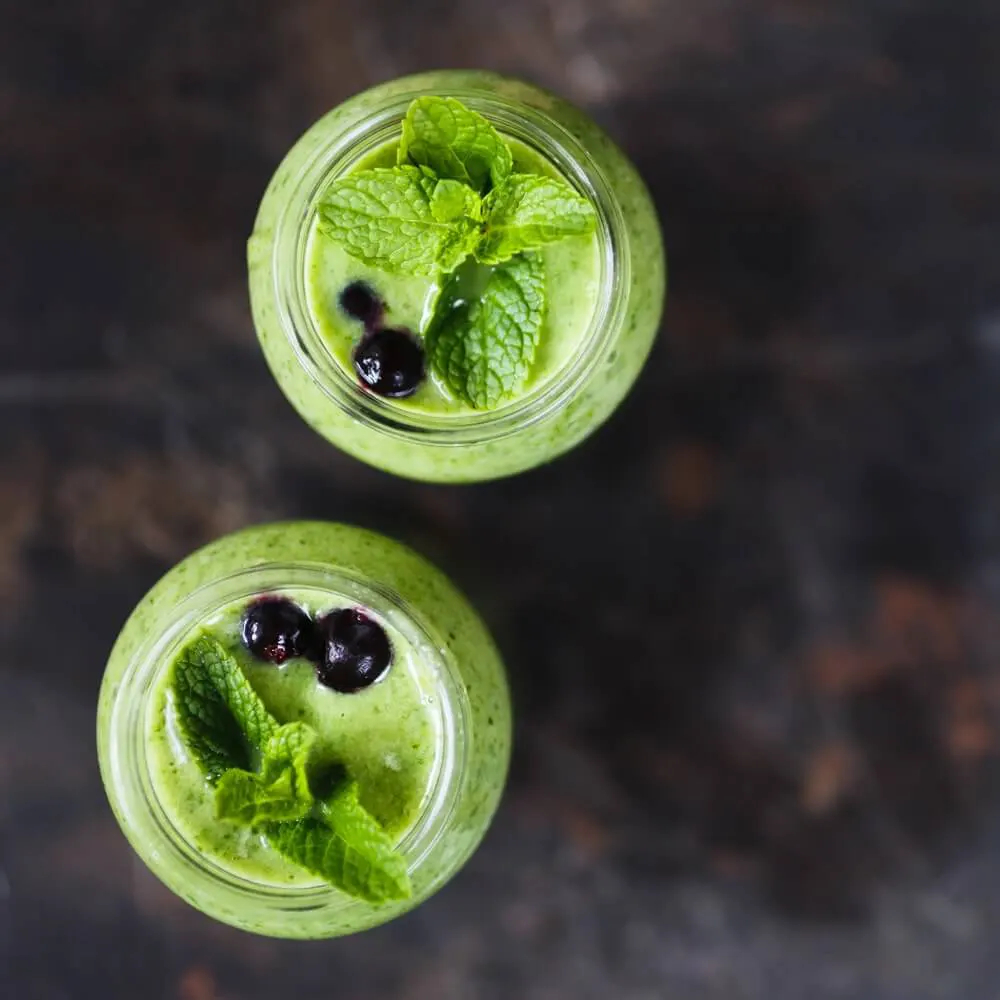
Delicious Green Smoothies Sweetened with Stevia.
Advantages of Stevia Leaves Highlighted:
· 100% natural, free from additives
· Ideal as a sugar alternative or natural sweetener
· Highly economical due to strong sweetness
· Multi-purpose usage
Stevia Leaves as a Natural Sweetener and Sugar Substitute
The leaves of the Stevia plant exhibit remarkable natural sweetness. The sweet elements of the plant, known as Steviosides or Steviol Glycosides, are natural sweeteners found exclusively in the leaves. These leaves are approximately 30 to 40 times sweeter than sucrose (table or granulated sugar). Concentrated Stevia extract can be up to 400 times sweeter in comparison.
Very small amounts suffice to sweeten food and beverages, making Stevia particularly economical. Diabetics especially appreciate the benefits of its calorie-free, insulin-neutral, and tooth-friendly sweetness.
Stevia leaves also find applications in cosmetics, used in products like face masks, shampoos, and conditioners to nurture hair and skin. Additionally, fluoride-free toothpaste includes this South American plant's leaves. A personal extract, also called 'Dulce', can be made from the leaves to sweeten tea, as well as other drinks and dishes. Stevia leaves are garnering global admiration, not just as a genuine natural alternative to sugar, but also for those conscious about their waistline or following a diet. Diabetics, whether Type 1 or Type 2, value Stevia's ability to keep blood sugar levels steady without having to forgo sweets. Recipes utilizing Stevia leaves aid in cutting down sugar consumption.
For further details on the quality, processing, and use of the Stevia rebaudiana plant's leaves, please visit our websites. Purchase premium Stevia leaves from our Stevia Shop and discover the new sweetness in steviapura brand quality.
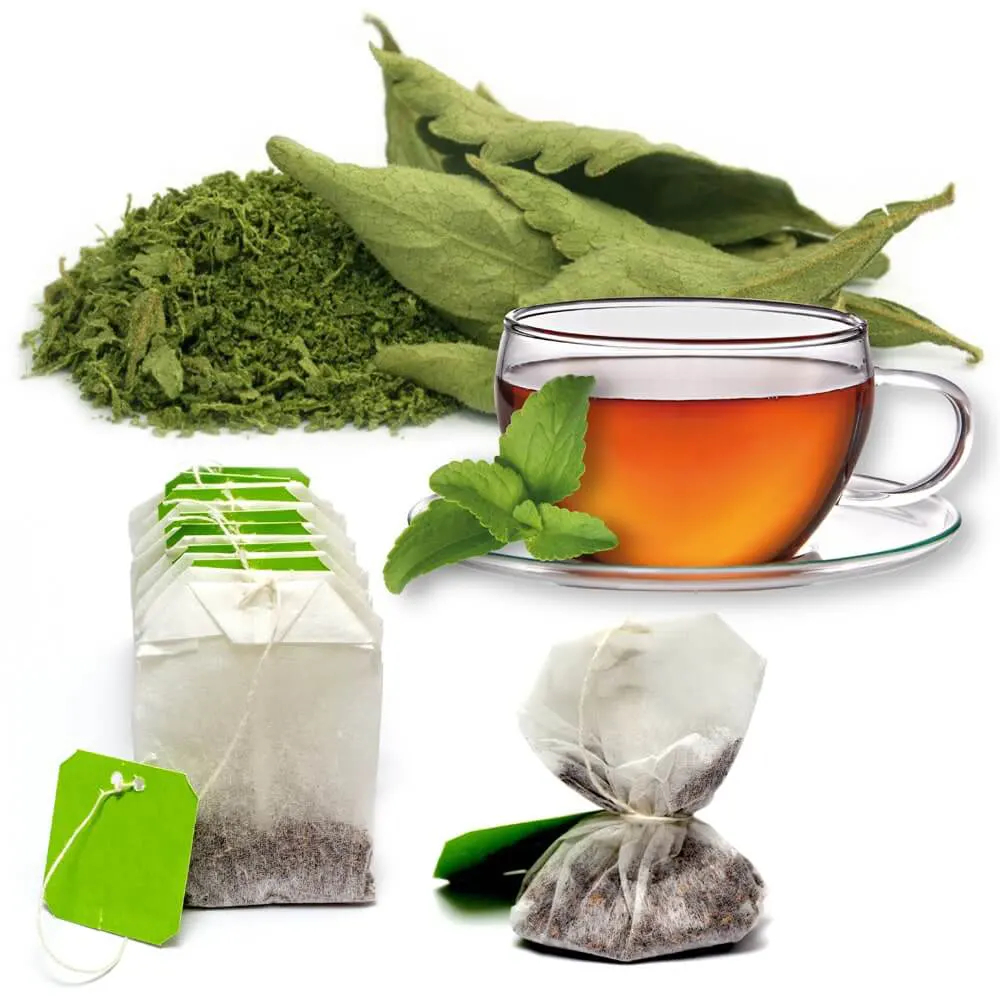
Sweeten Tea with Stevia | Enjoy Calorie-Free Sweetened Tea!
"Rebaudioside A" is one of the most well-known and sweetest Steviol Glycosides. Numerous studies have confirmed the safety of these sweet components.
Interesting Facts About the Stevia Plant
Originally hailing from South America, the plant has been employed for centuries by indigenous peoples. In Brazil and Paraguay, it is known as "caa-hee" (honey leaf). Stevia has long been approved as a sweetener in Japan, where it now holds a 40% market share as a sugar alternative. However, in the European Union, Stevia products were not approved until late 2011.
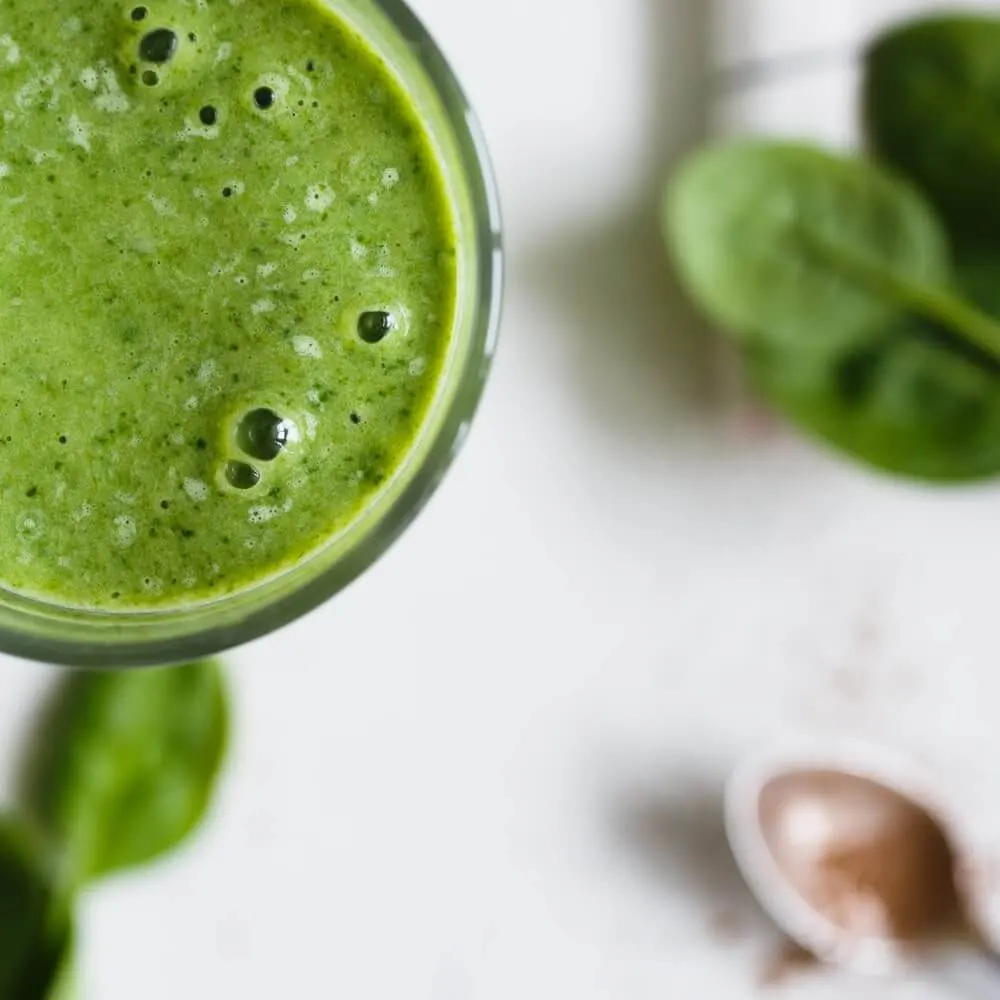
Try Smoothie Recipes with Stevia Sweetening.
Before its approval, extensive research spanning approximately 20 years was conducted on the plant and its components to eliminate potential risks. For those aiming for a health-conscious diet, switching from sugar to Stevia can be very beneficial.
Cultivation, Harvesting, and Processing Steps
At Stevia Group, you can purchase natural Stevia leaves. Typically, the harvest takes place from May to September. The leaves are then hand-selected and checked for residues such as pesticides or heavy metals.
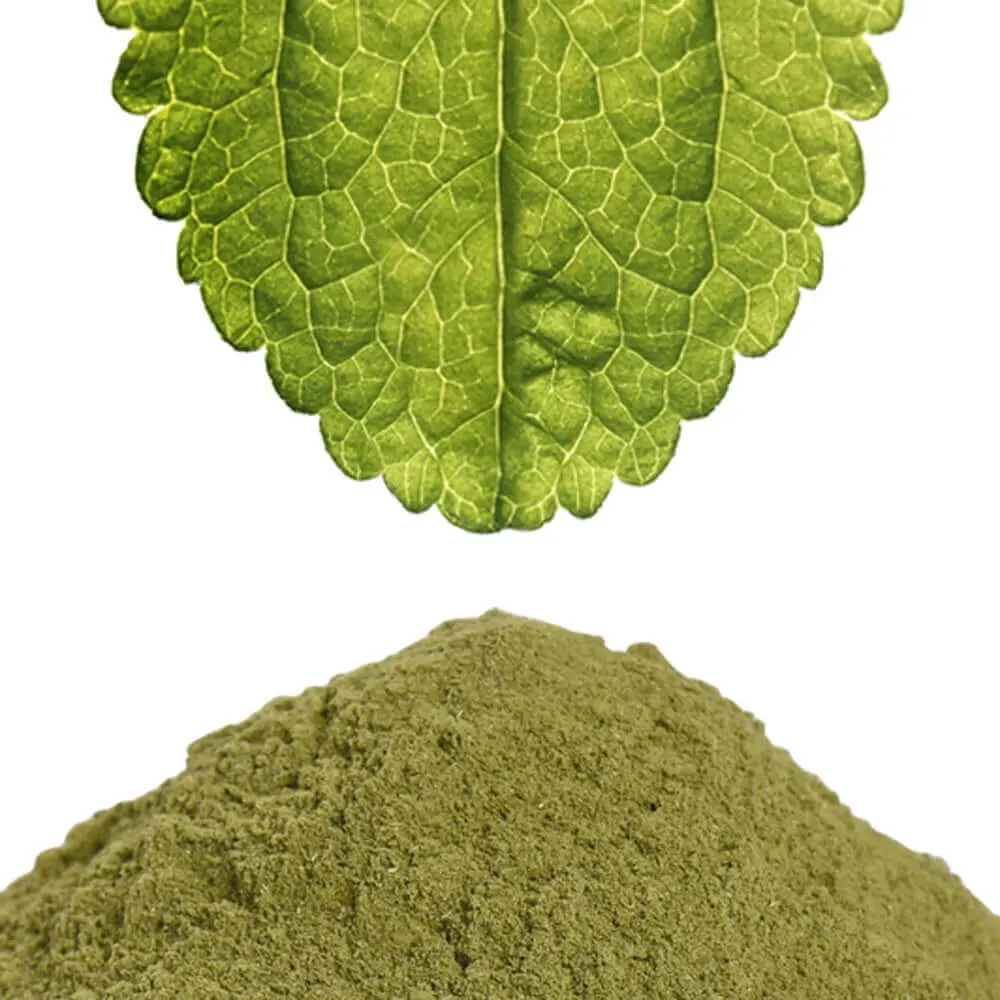
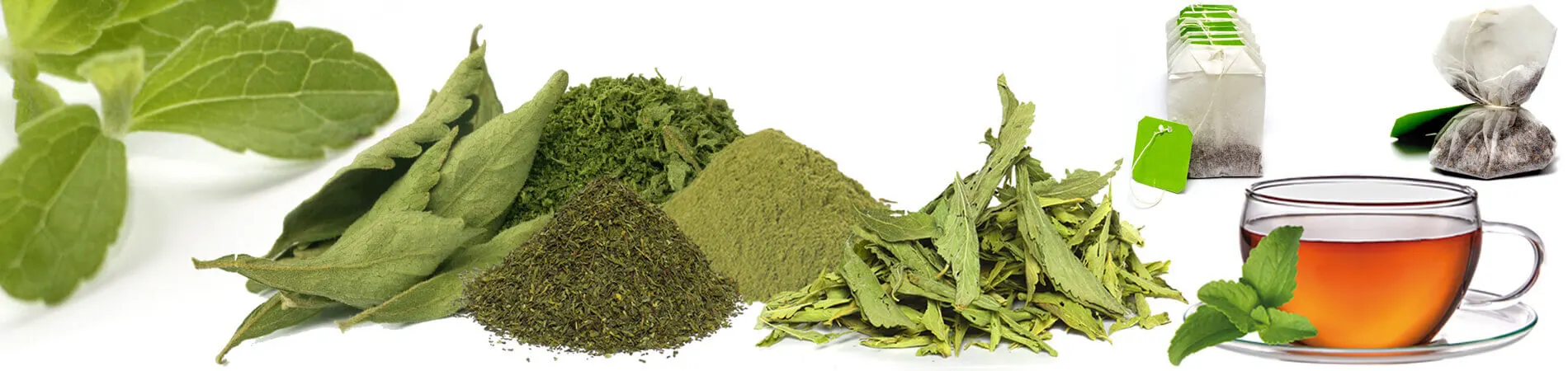
Naturally Sweet Finely Ground Stevia Powder.
In the final processing step, the plant’s components are gently dried. Our Stevia leaves are sold 100% pure, without any additives.
Guidance on Using Stevia Leaves
Stevia leaves impart a highly natural, pleasant sweetness, particularly in teas and blends. Due to their light weight, cut Stevia leaves float in liquids, and using a tea infuser is recommended.
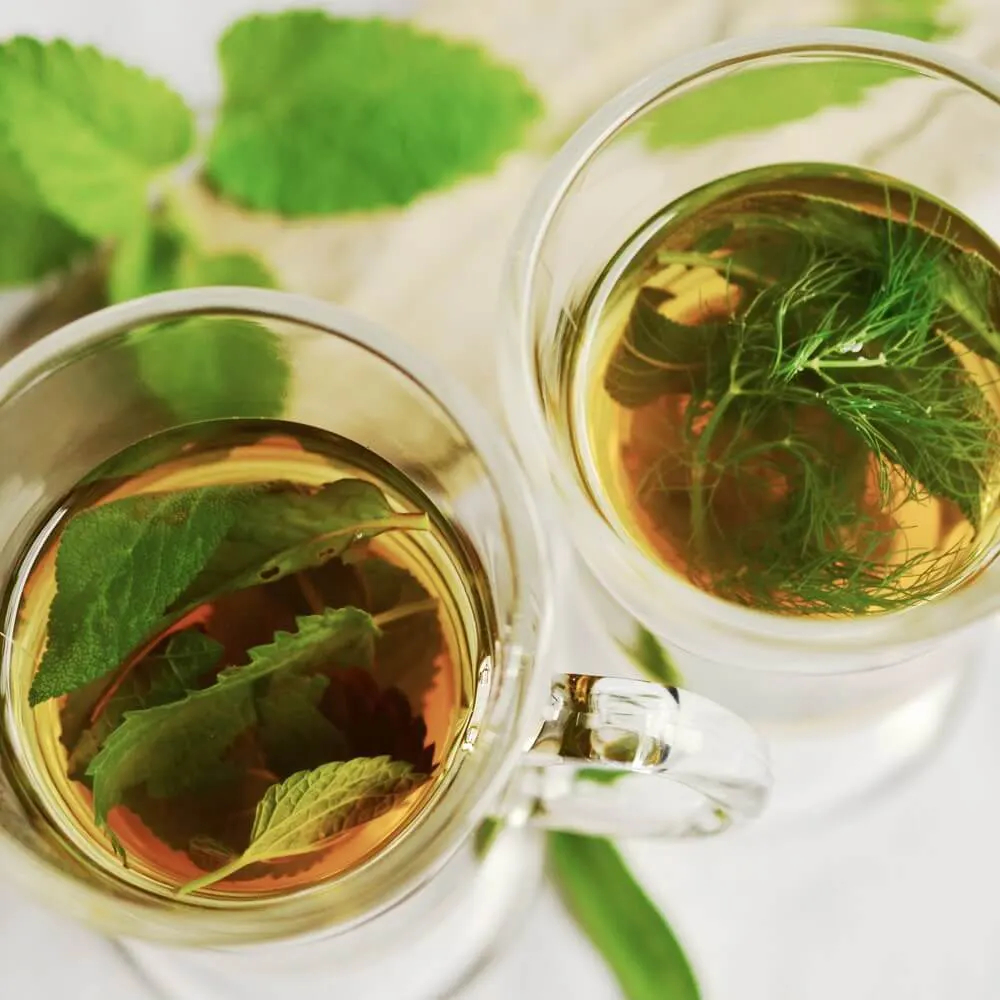
Calorie-Free Sweetness with Stevia Leaves in Tea.
Guidelines for Using Dietary Supplements:
Ensure you do not exceed the recommended daily intake of any dietary supplement. Supplements are no substitute for a nutrient-rich, balanced diet. Legally, dietary supplements cannot prevent, alleviate, or cure diseases.