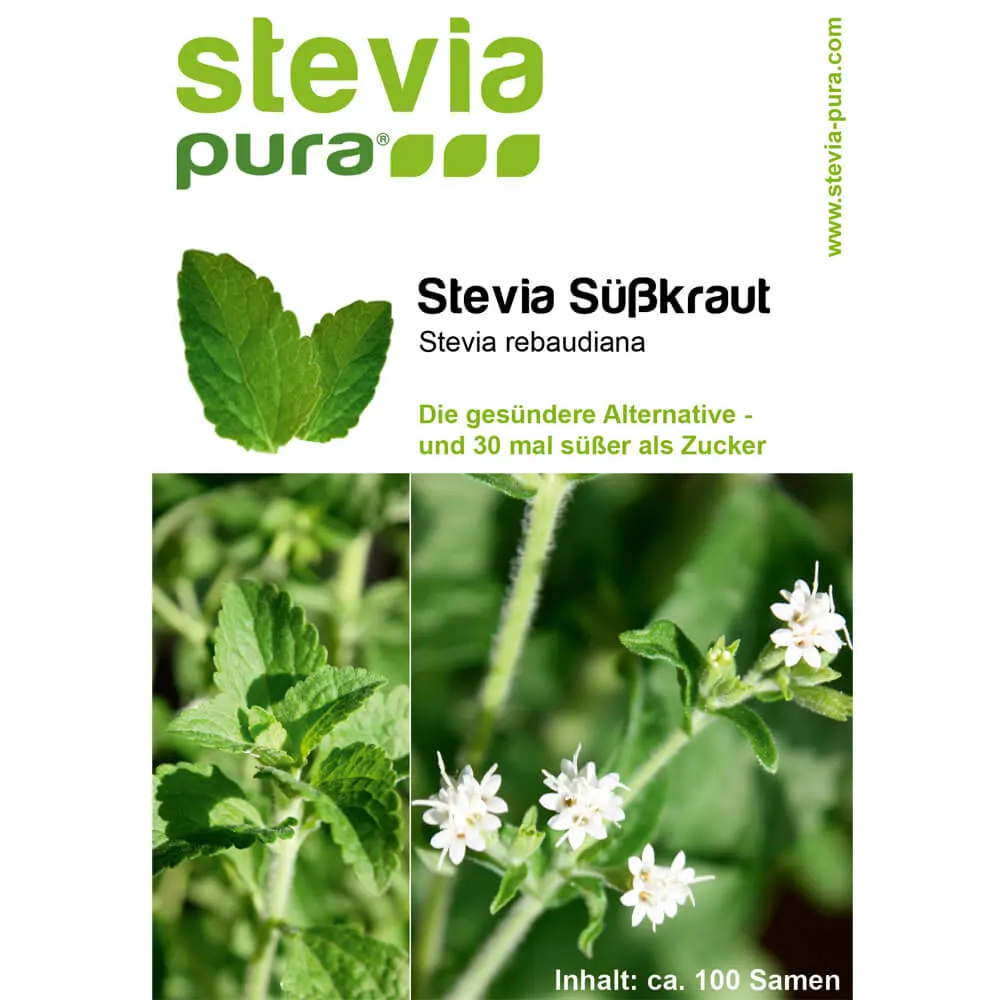
Stevia seeds | Sweet Leaf Stevia seeds - The sweet herb of the Incas.
In Europe, Stevia is now the best-known sweetener plant besides liquorice. A group of glycosides, the steviosides and also rebaudiosides, are responsible for the enormous sweetening power of the Stevia plant. Stevia originally comes from Paraguay. To meet the huge demand, Stevia is now cultivated on plantations all over the world.
Is tea with Stevia leaves permitted?
In the European Union, there was a lengthy period during which Stevia was regrettably banned. The Stevia plant became one of the early subjects of the Novel Food Regulation, which is part of the EU's food law.
For an extended time, Stevia held the classification of a Novel Food, indicating that before 15 May 1997, it wasn't significantly used as food in the EU. Any novel foods or those not substantially consumed in the EU by that deadline must go through a unique authorization process before being legally marketed.
Despite this, the EU Commission has provided certain exceptions for using Stevia in foods. One such exception permits incorporating dried Stevia leaves into herbal and fruit tea blends. In these specific instances, utilizing Stevia in its dried form within these tea blends is allowed without requiring prior Novel Food approval, as outlined in the Novel Food Catalogue by the EU Commission.
In Paraguay, mate tea serves as the national drink, and traditionally, Stevia leaves act as a calorie-free sweetener. The sweetening agents found in Stevia leaves, a plant native to subtropical regions, have a sweetening capacity 30 to 40 times greater than sugar and are suitable for those with diabetes.
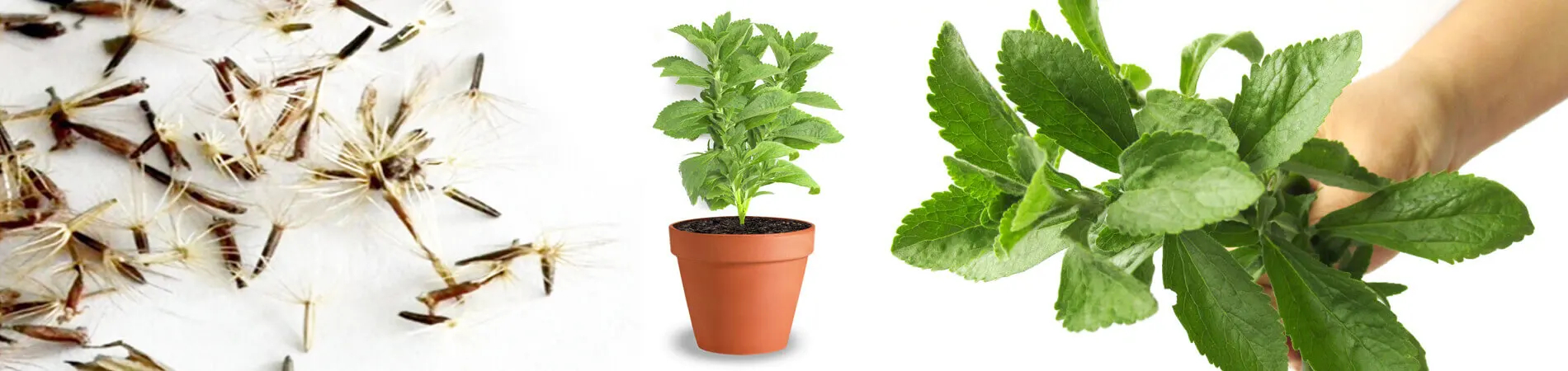
If interested, you can cultivate Stevia plants yourself from seeds.
Stevia rebaudiana is capable of being grown in our regions. Typically a biennial plant, Stevia cannot withstand frost.
By using Stevia seeds, you can grow your own plants. Successful germination requires a temperature of at least 22 degrees Celsius. Begin planting by filling trays with growing soil. Since Stevia needs light to germinate, place the seeds on the soil's surface, pressing them lightly without covering them with soil.
Ensure the soil remains well-moistened, and cover the tray with glass or foil, remembering to leave a gap for ventilation. The best environment for this is a bright and warm windowsill.
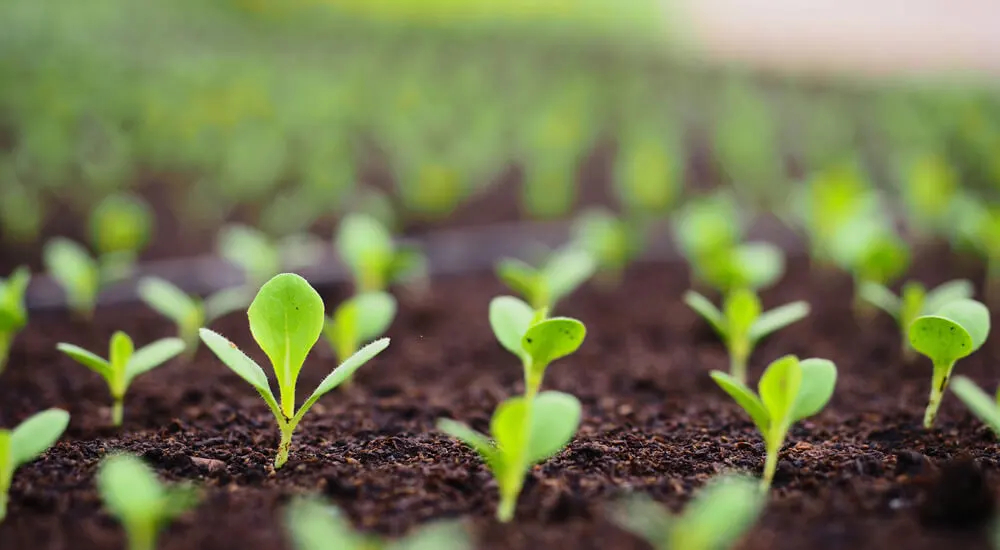
Light and warmth are what the Stevia plant thrives on
In just about 10 days, the first seedlings typically appear. At this point, you can transplant the individual plants into pots. To allow for adequate root growth, the pots should be around 16 to 18 cm in diameter.
For the soil, mix in coarse sand to ensure it remains highly permeable. Apply fertilizer very sparingly. The Stevia plant thrives on light and warmth, making a sunny location on a balcony or terrace perfect.
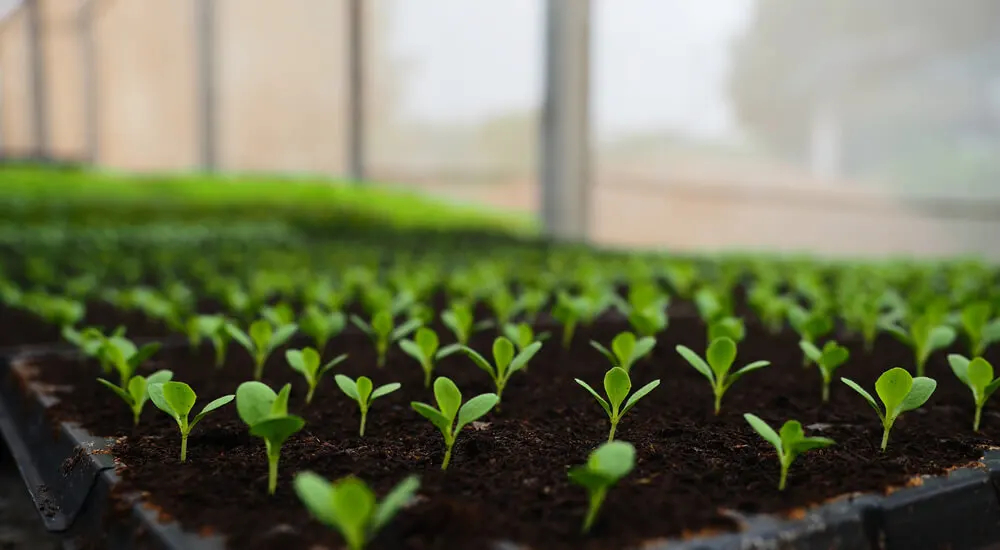
Young Stevia Plants Grown from Seeds
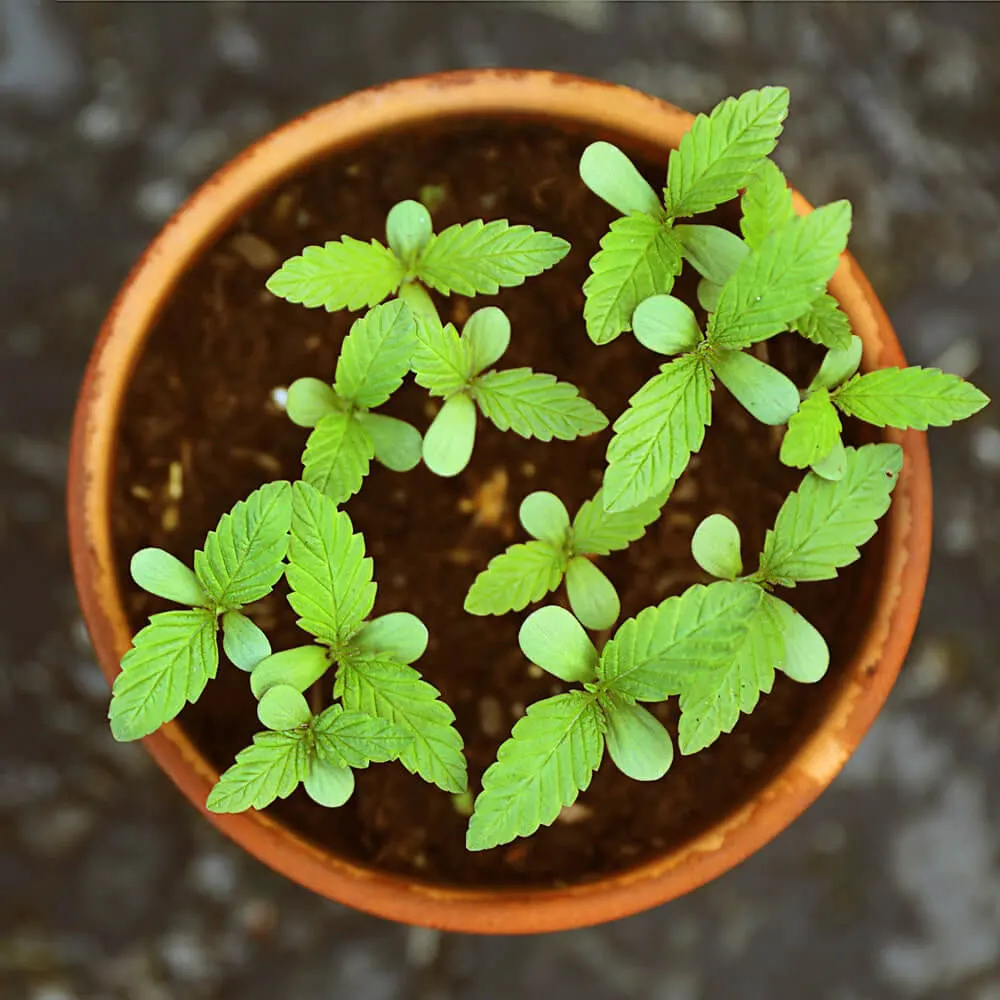
Pricked-out small Stevia plants in a pot
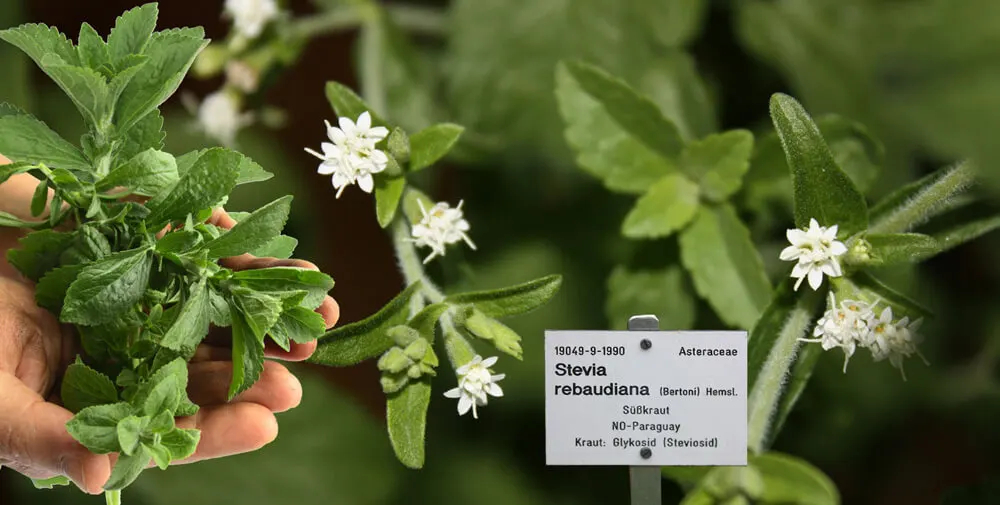
The Stevia plant's tiny leaves and white flowers
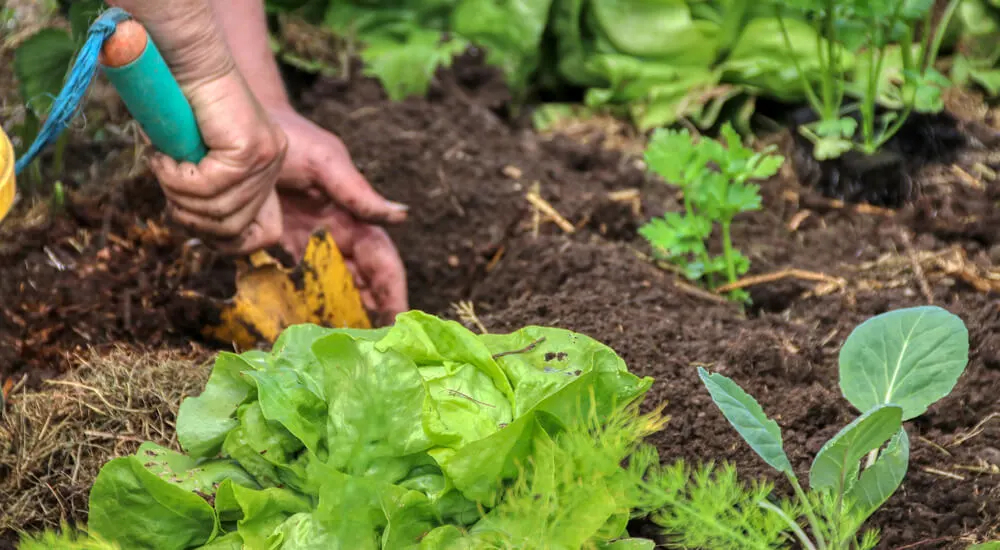
In June, the transplantation of Stevia plants into the garden can begin.
Throughout the growing season, similar to many other plants, Stevia prefers moist conditions. The alternating cycle of moist and dry conditions promotes root growth, enabling the plant to flourish more effectively.
It is crucial to prevent waterlogging in the root area, as this can lead to bacterial wilt, also known as tracheobacteriosis, which can swiftly kill the plant.
While plants generally thrive better outside rather than in flower pots, Stevia plants are best transplanted into the garden from June onwards. However, they need to be relocated to a frost-free area before the first frost arrives.
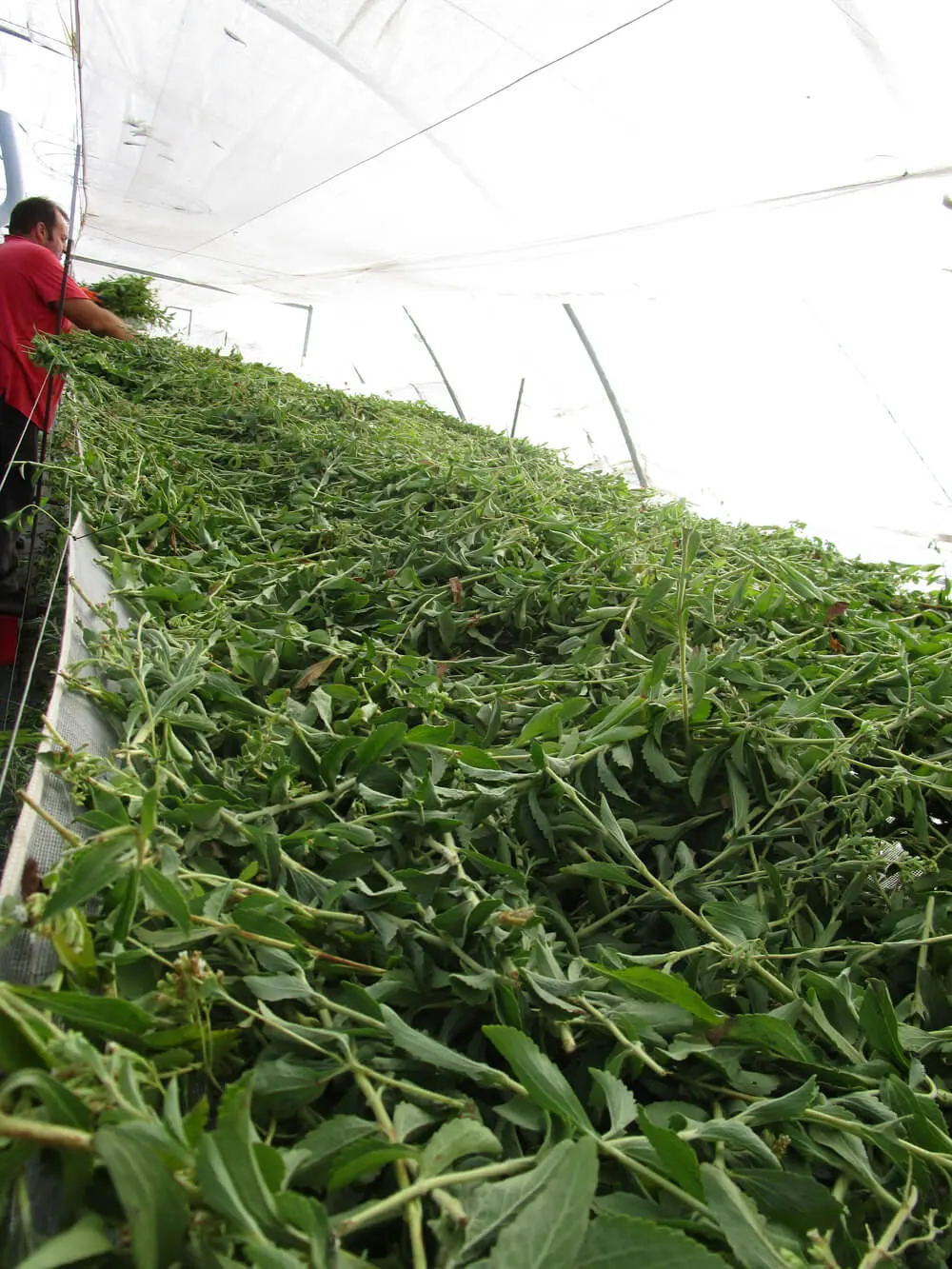
The Stevia leaves are harvested only from the tips.
In the cold season, they are best overwintered in a cool location, such as a bright window spot or in the conservatory.
Following the growth and flowering period, as is true for all plants, comes the dormant period. The plant's upper parts die back due to cold, insufficient light, and dryness, retreating to the rootstock. Trim the withered and dead branches down to 5-7 cm.
The plant can alternatively be overwintered in a dark cellar during its dormant phase. Be sure the rootstock stays moist and the temperature does not fall below +2 degrees Celsius.
In March, place the Stevia plant by a sunny, warm window. The rootstock will soon produce new shoots.
If the climate is suitable, the plant's dormant period can be skipped by keeping it in a greenhouse or sunny conservatory, which allows it to stay green year-round.
The harvest involves only the tips of the Stevia leaves, much like with tea or basil, which also promotes bushier growth.
Dry the Stevia leaves by spreading them in a shaded, well-ventilated area, and store them in a dark, cool, and dry place.