
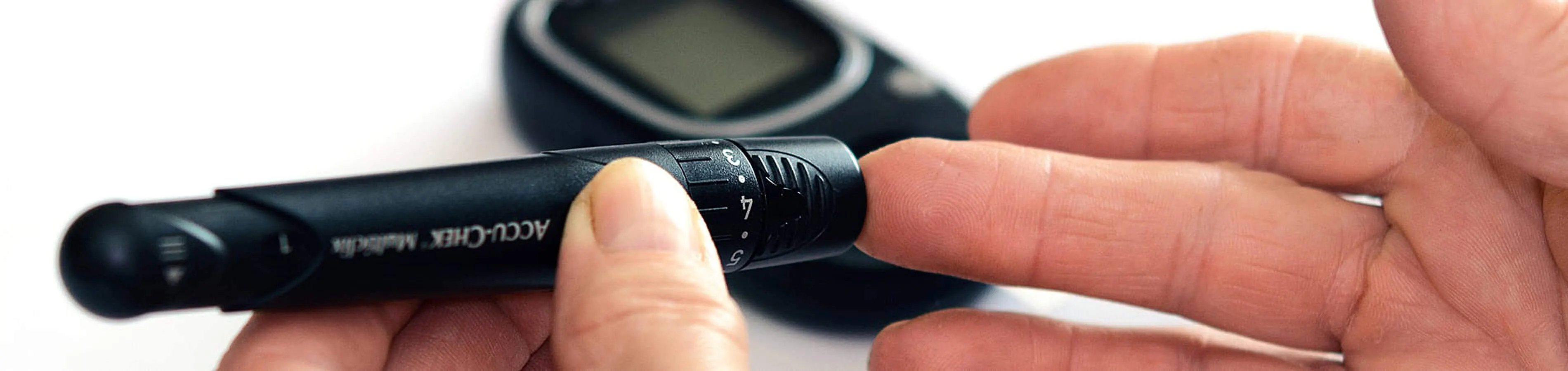
Blood glucose management | Blood glucose levels
Essential insights on blood glucose management for diabetics
For diabetics, maintaining constant blood glucose level monitoring is a crucial part of daily routines. Here, you'll understand why prioritizing blood glucose management is essential.
Healthy and effective control of blood glucose forms the foundation of diabetes treatment. Regularly timed measurements are key in averting excessively high or low levels and in preventing secondary health issues.
Blood sugar is crucial for our body and cells, as they derive energy from glucose. Insulin, a pancreatic hormone, facilitates energy production by moving glucose dissolved in the blood into cells.
Several factors cause rises in blood sugar levels among diabetics. In type 1 diabetes, insulin is absent, preventing sugar from being cleared from the blood, leading to treatment with insulin injections.
Type 2 diabetics produce sufficient insulin, yet their cells respond inadequately, leading to insulin resistance. By engaging in regular physical activity and losing excess weight, patients can reduce their sugar levels and mitigate insulin resistance. If required, medications to lower blood sugar or insulin injections may be recommended.
The treatment's success significantly relies on patients consistently tracking their blood sugar and working with their doctors to adjust medication and insulin doses.
The dangers of high blood glucose levels
Consistently high blood sugar can bring about severe effects on the human body. Symptoms frequently appear late, causing those affected to initially feel no pain or discomfort. With prolonged high blood sugar, nerve damage, arterial calcification, and harm to the kidney and eye blood vessels can occur, leading to:
· Neuropathy (nerve damage)
· Heart attack
· Stroke
· Diabetic foot (a foot ulcer with low recovery odds)
· Nephropathy (kidney damage)
· Retinal damage
Diabetes: Finger and blood glucose checks for accuracy.
Checking blood glucose accurately!
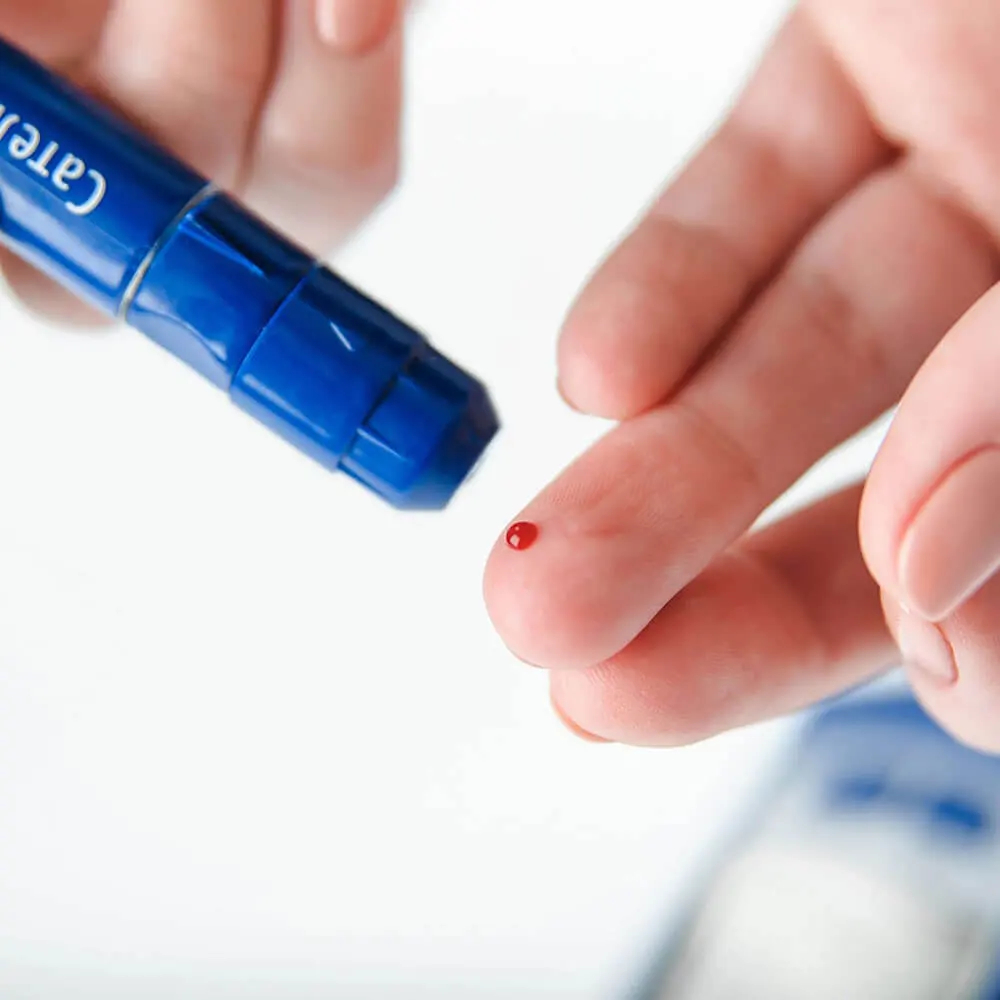
Checking blood glucose using the finger
Consistent blood glucose monitoring is crucial.
Continuously monitoring blood sugar levels is vital for preventing damage to vessels, nerves, and organs. The HbA1c value is especially significant, serving as an indicator of therapy effectiveness and successful blood sugar management.
This value reflects the average blood sugar level over the past eight to ten weeks. Typically, doctors aim to maintain the HbA1c between 6.5 and 7.5 percent using appropriate therapy. Blood glucose is generally measured on an empty stomach or about two hours post-meal.
Frequent monitoring of personal blood glucose levels is particularly crucial during the adjustment phase to determine if levels are healthy, whether after eating or before sleep, and to understand the effects of diet, exercise, or stress.
These blood glucose readings help diabetics decide how much insulin to inject with meals or as a correction for high blood sugar. Regular monitoring also aids in early detection of trends towards very low or high levels, thereby preventing severe hypoglycemia or hyperglycemia.
The blood glucose levels recorded at various times throughout the day are also important for doctors, as they use this data to confirm if the diabetes management strategy is correct and to make informed decisions about therapy, including changes in medication.
Tips for accurate blood glucose measurement:
· Thoroughly wash your hands before measuring! Use warm water when possible to stimulate circulation. If washing is not possible, use the second drop of blood for the measurement.
· Massage the fingertip, as this aids in blood circulation and makes the measurement easier.
· Prick the little, middle, or ring finger, and alternate fingers often. In daily life, the thumb and index finger are most used.
· Prick the side of the fingertip, where blood draw is less painful and many small blood vessels are located.
· Always replace the lancet before each blood draw to prevent infections. Fresh lancets cause less pain as they remain sharp.
· Finally, care for your hands to prevent calluses, which can make pricking more painful.
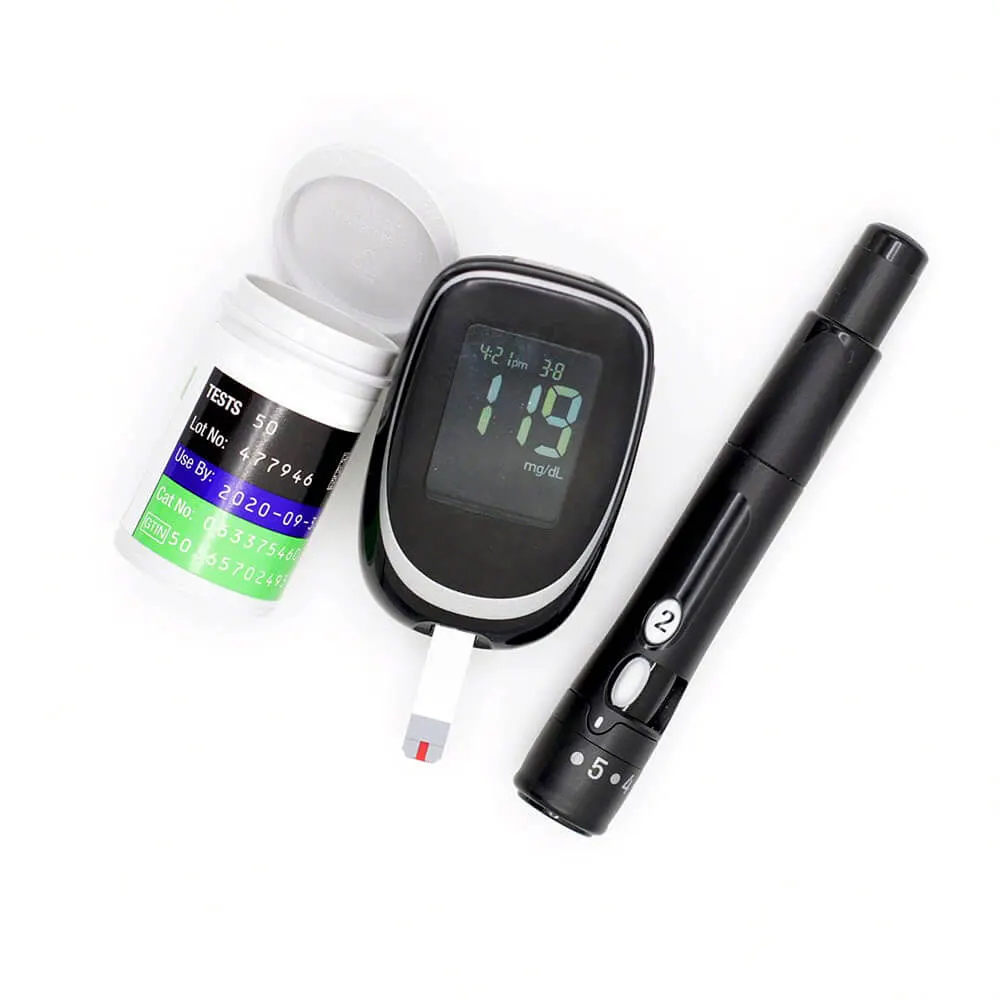
Diabetes test strips and blood glucose monitor
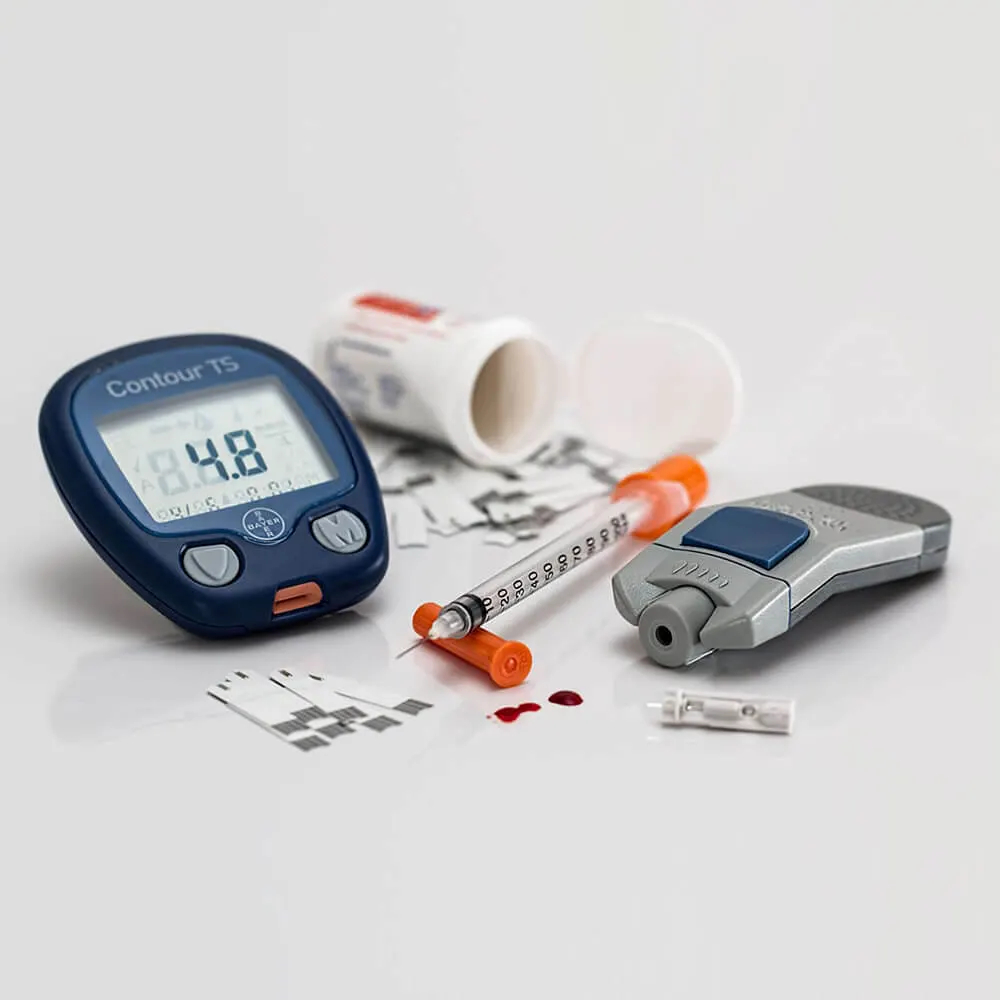
Blood glucose monitors used to measure the amount of glucose in the blood.
Accessories for monitoring blood glucose
To identify potential fluctuations in blood glucose levels, capturing several snapshots of the level can be beneficial. The more thorough and frequent the measurements, the more effectively the HbA1c value can be managed.
Blood glucose levels are determined by measuring the sugar content in blood serum, expressed in milligrams per deciliter (mg/dl). Sometimes, it's also indicated in millimoles per liter (mmol/l). Before meals, the normal range is under 100 mg/dl, and about two hours post-meal, it should not exceed 140 mg/dl.
Key benchmark values for blood glucose levels
Modern technologies have greatly simplified the regular checking of sugar levels. When selecting a glucose monitor, diabetes patients should focus on measurement accuracy and user-friendliness. Using a lancet (an extremely thin needle) for blood sampling is particularly painless, with most product sets including a lancing device.
Comparisons and user reviews of various blood glucose monitors can be accessed on different comparison websites. The criteria for evaluating these devices typically include memory capacity, accessories, size, and measurement range. Before purchasing, individuals should ensure that the meter aligns with their personal needs.
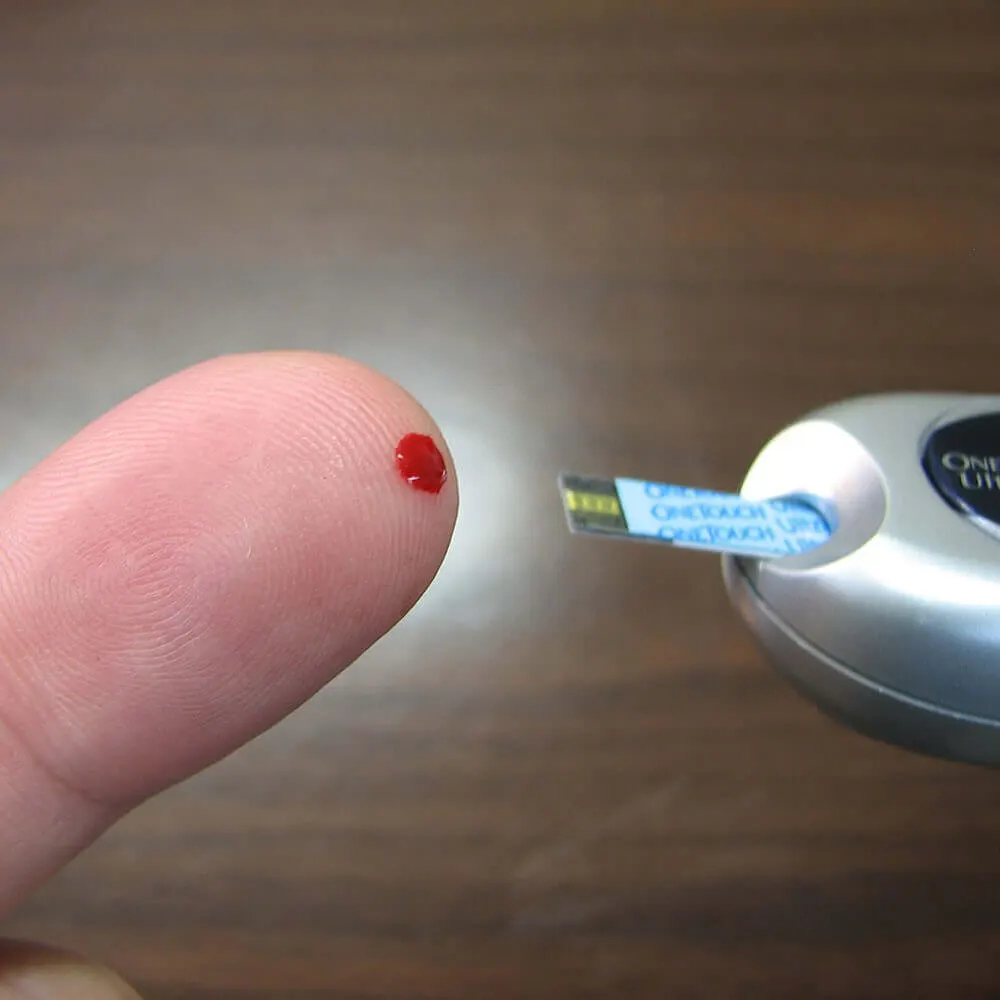
Blood glucose regulation to assess the glucose levels in the blood
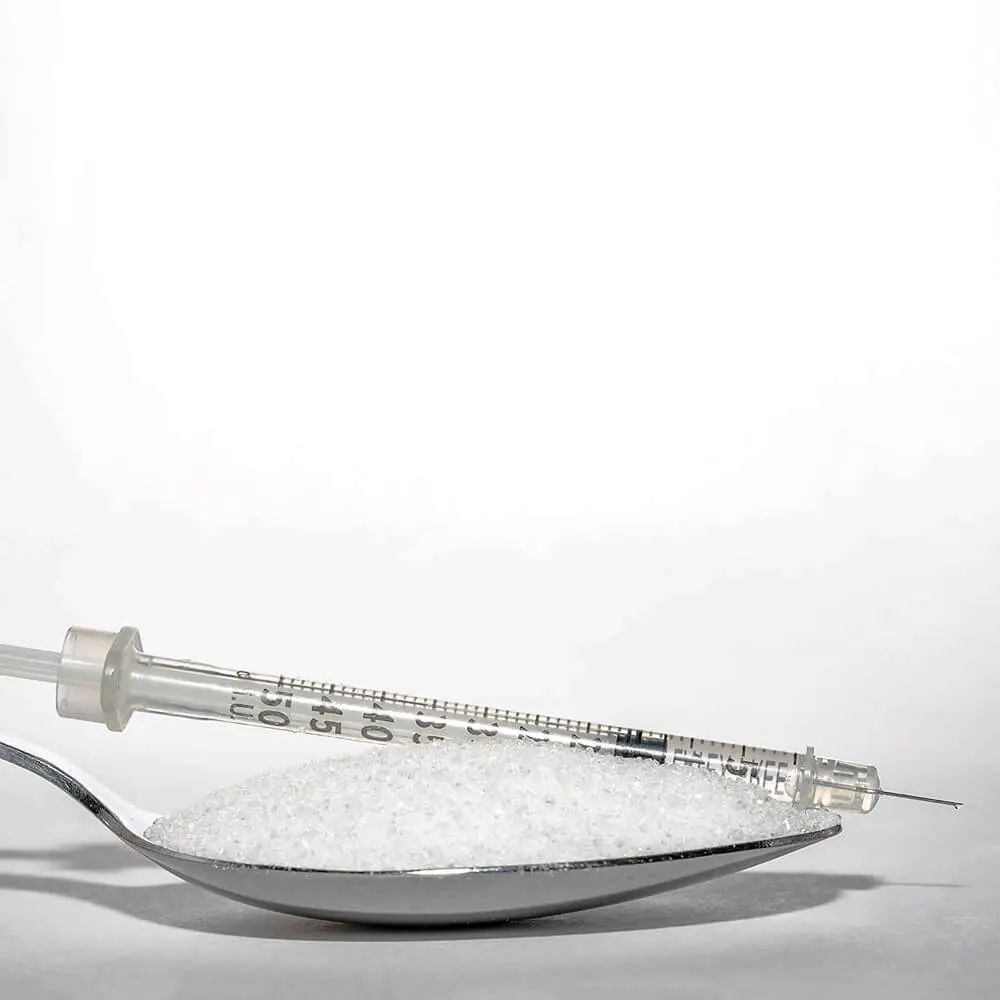
Blood glucose monitoring for diabetes and the use of insulin injections
Ketoacidosis and hypoglycemia
Both ketoacidosis and hypoglycemia present significant issues during short-term fluctuations, and it's essential to prevent temporary loss of control and the increase of the long-term HbA1c value. Below, we provide an overview of key facts related to these control failures.
Hypoglycemia (low blood sugar)
Hypoglycemia occurs when blood glucose levels fall below 70 mg/dl. In some situations, hypoglycemia can be life-threatening. Diabetics with Type 1 and 2 who receive insulin injections are particularly vulnerable.
Hypoglycemia becomes especially dangerous if symptoms go unnoticed or are detected late, potentially leading to unconsciousness or coma.
Ketoacidosis
Unlike hypoglycemia, ketoacidosis results in elevated blood sugar levels. It's particularly concerning for those with advanced stages of Type 1 and Type 2 diabetes. Undetected ketoacidosis can lead to complete metabolic control loss, posing a severe threat to the individual's life.
Monitoring blood glucose is also critical during illness since insulin levels often spike during infections accompanied by fever. Increasing short-acting insulin may be necessary under these conditions. A ketone test can be performed when there is a clear suspicion.
The Diabetes Information Service provides guidance on managing hypoglycemia or ketoacidosis and preventing control losses.
Intensity of blood glucose monitoring
The frequency of monitoring blood glucose levels depends on various factors and treatment goals. These factors include individual glucose level fluctuations and the particular type of therapy.
Diabetics who self-administer insulin require more frequent monitoring, often checking their levels up to seven times daily. Typically, measurements are needed before bedtime, driving, and each meal.
If insulin dosages are pre-set by a doctor or if sugar levels remain consistently stable, less frequent measurements are needed, usually a weekly profile suffices, which involves several readings on a single day.
For some Type 2 diabetics taking medication to lower blood sugar, checks may only be necessary every few months.
In a nutshell:
To avoid significant fluctuations in blood glucose levels, it is generally advisable for every diabetic to regularly monitor their blood glucose levels. Each measurement provides an opportunity to address any potential loss of control early on.
Additionally, regular monitoring allows individuals to become attuned to changes in their levels during activities such as exercise or eating. In essence, the more frequently you measure, the more effectively you can safeguard your health both immediately and over the long term. Therefore, frequent monitoring is always beneficial!