The Components of the Stevia Plant
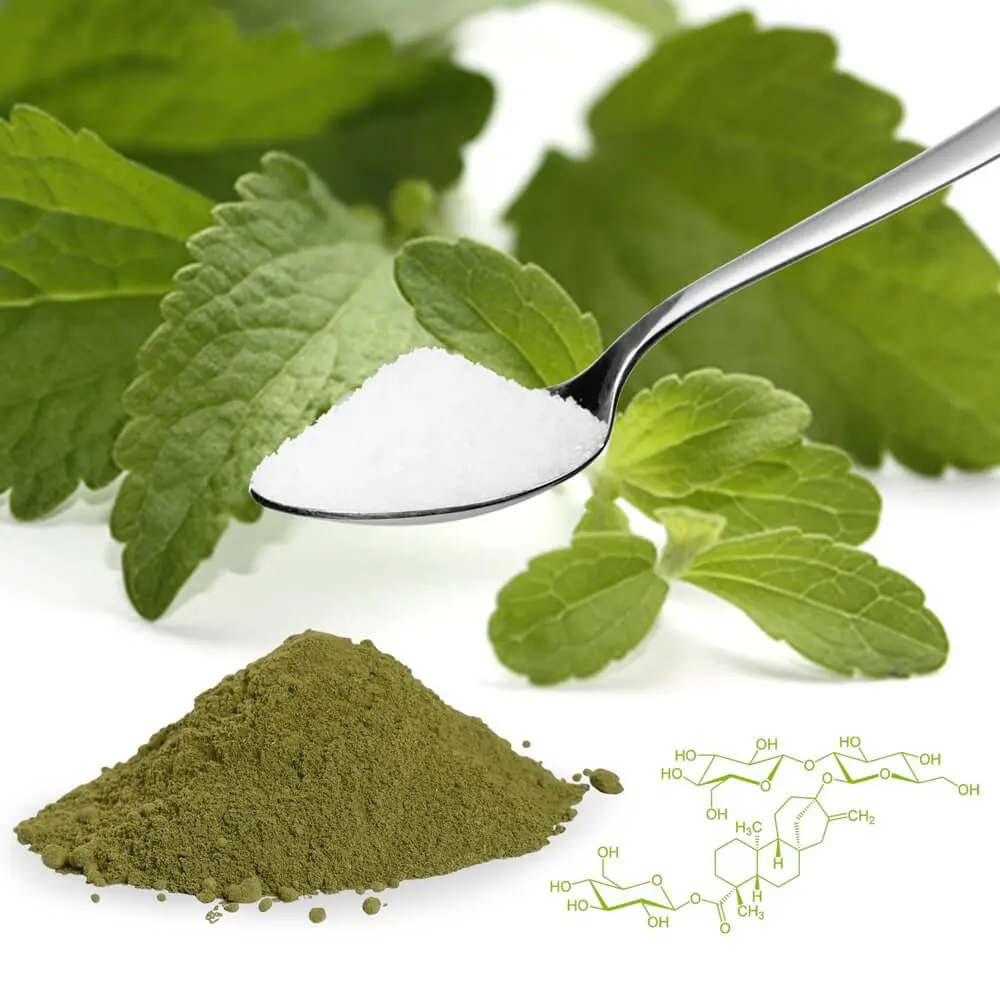
Steviol glycosides are the most prominent and well-known compounds in Stevia rebaudiana Bertoni. These substances belong to the diterpenes and, therefore, are secondary carbon compounds.
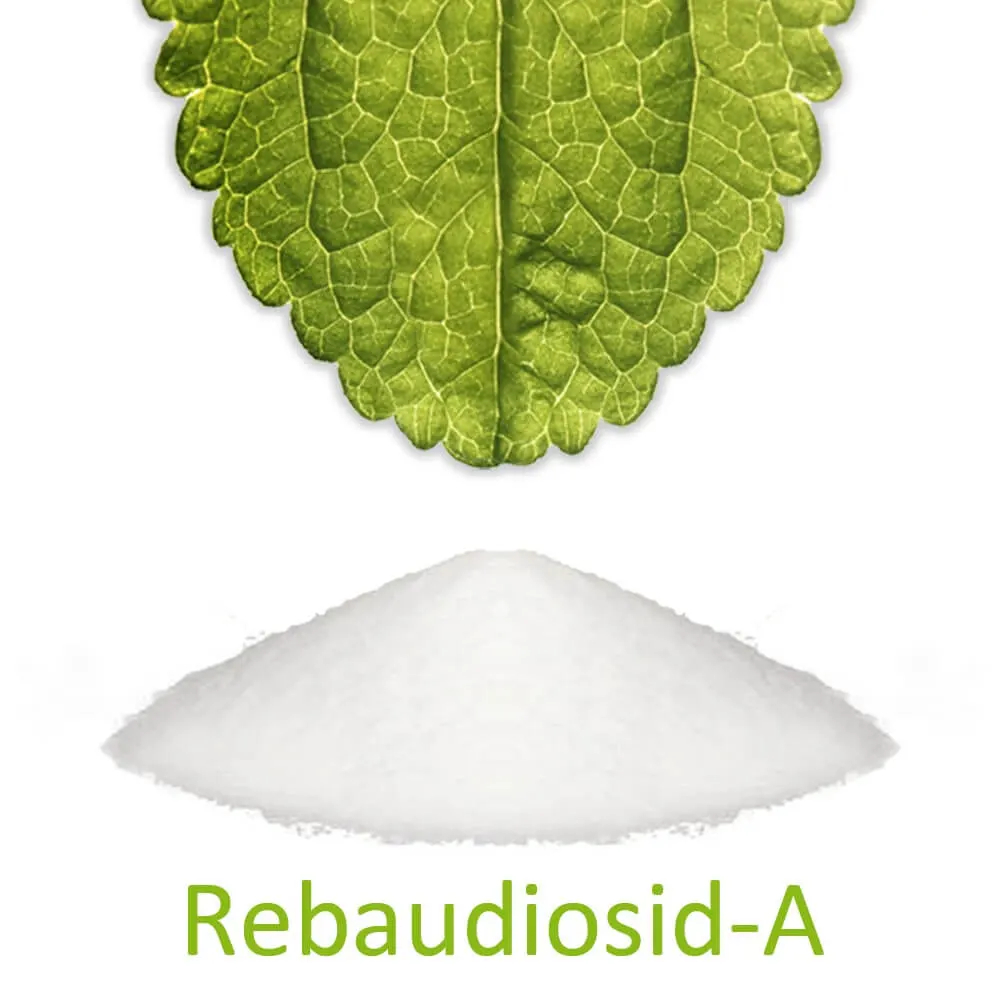
Among the identified compounds are Rebaudiosides A, C, D, and E, as well as Dulcoside A and Stevioside. Rebaudiosides A and C constitute approximately 2-4% and 1-2% of the plant mass, respectively, while Steviosides account for between 2-10% of the plant mass and contribute the most to sweetness. The exact proportions can vary from plant to plant.
Rebaudioside A has the strongest neutral sweetness among all steviol glycosides, while the others can produce a bitter aftertaste when consumed in high doses.
Calorie-Free Sweetening
Owing to the unique structure of steviol glycosides, stevia products contain almost no calories.
Carbon bonds are formed by the connection of a sugar molecule with an alcohol. Glycosides are such compounds. Steviol glycosides contain a sugar component (glucose molecules) that the body cannot fully digest.
100 mg of pure steviol glycoside are significantly sweeter than regular household sugar and provide only half a calorie. To achieve the same sweetness with regular sugar, one would need 30 grams, resulting in a caloric intake of 125 calories.
The carbohydrates from stevia leaves and teas do not contribute to a positive energy balance either, as the glucose molecules are not digested in the intestine due to their plant-based structure and thus do not enter the bloodstream.
However, carbohydrate-containing fillers or carrier substances might be present in stevia powder, tablets, or granules to ensure a certain consistency of the products. These carriers do not affect the daily energy balance, even for diabetics.
In high-quality stevia products, these consistency-improving additives are present in very small amounts.
Important Constituents of the Leaves: Proteins and Oils
Stevia rebaudiana Bertoni provides many other valuable components. The leaves contain, for instance, unsaturated fatty acids, building blocks for protein biosynthesis, proteins, and "empty" fats. This unique combination of oils and proteins contributes to the skin-tightening effects of stevia.
Minerals, Vitamins, and Trace Elements
Minerals, vitamins, and trace elements are essential for a balanced diet and are also present in Stevia rebaudiana Bertoni.
Minerals
Stevia products contain a significant amount of minerals such as phosphorus, iron, magnesium, potassium, and calcium. These minerals are particularly beneficial for the cardiovascular system, bone development and stability, as well as blood formation. They also play an important in the immune system.
Trace Elements
Essential trace elements like zinc and selenium can be found in stevia products. Additionally, other trace elements such as manganese, silicon, cobalt, and chromium, which are involved in various enzymatic processes, are also present. These trace elements support the function of the excretory organs, oxygen utilization, and the physiological build-up and breakdown of energy carriers.
Vitamins
The vitamin C found in stevia is crucial for infection defense. Other important vitamins in the plant include beta-carotene, which supports vision, and vitamin B1, known as the "nerve vitamin."
Plant-Based Components
Besides these nutrients, stevia also offers other interesting plant-based components that have been valued in traditional medicine for centuries. One example is flavonoids, which enhance the immune system. Among the seven identified flavonoid compounds is rutin, which is used in larger quantities for treating circulatory disorders and venous diseases.