
Can diabetics safely use Stevia?
While sugar isn't entirely off-limits for diabetics, its consumption should be moderate.
Nevertheless, sweeteners and sugar substitutes offer viable alternatives for diabetics. Popular choices include Stevia and erythritol, appreciated for being calorie-free and having no effect on insulin levels.
For those seeking sugar alternatives, this discussion addresses common questions about sweeteners.
What sweetening options exist for diabetics?
Given that sweeteners have minimal calories and don't influence blood sugar, diabetics should opt for sweeteners instead of sugar in beverages like coffee or tea.
However, the situation differs with sugar substitutes like fructose, sorbitol, or xylitol. Fructose contains as many calories as sugar. Sorbitol and xylitol have slightly fewer calories but less sweetening potency. Sugar substitutes only slightly raise blood sugar. When determining insulin doses, amounts under 30 grams can often be disregarded.
Are sugar substitutes beneficial as replacements?
Diet products frequently contain sugar substitutes like erythritol and Stevia.
Stevia for diabetics is 150 to 400 times sweeter than sugar and doesn't increase blood sugar levels, making it an advantageous choice for diabetics when used sparingly, as its components are natural and do not cause tooth decay like sugar might.
For diabetics, Stevia and erythritol offer a wider range of sweetener and sugar substitute options. Steviol glycosides don't raise blood sugar and may even lower high blood pressure. Stevia and erythritol serve as good alternatives for those who wish to continue enjoying sweets.
When purchasing products, diabetics should also consider other ingredients due to significant differences in quality and content.
Stevia & Diabetes
Despite being around 400 times sweeter than regular table sugar, steviol glycosides extracted from the Stevia plant do not affect blood sugar levels, making moderate amounts of Stevia particularly suitable for diabetics.
The phrase "A life without sweets is possible but meaningless" often garners laughter but holds a truth—diabetics can indeed enjoy things like Stevia.
Stevia offers up to 400 times the sweetening power of white sugar.
For centuries, South American indigenous peoples have used Stevia leaves as a sweetener. While the plant itself is only partly sanctioned in Europe, the steviol glycosides in the leaves were authorized by the European Union as food additives and sweeteners in 2011.
Specifically, Stevia was approved by the EU as a food additive on December 2, 2011. Their extraordinary sweetening capacity—up to 400 times greater than that of standard sugar—without impacting blood sugar makes these glycosides particularly valuable for diabetics, offering a much higher sweetening intensity than conventional sugar.
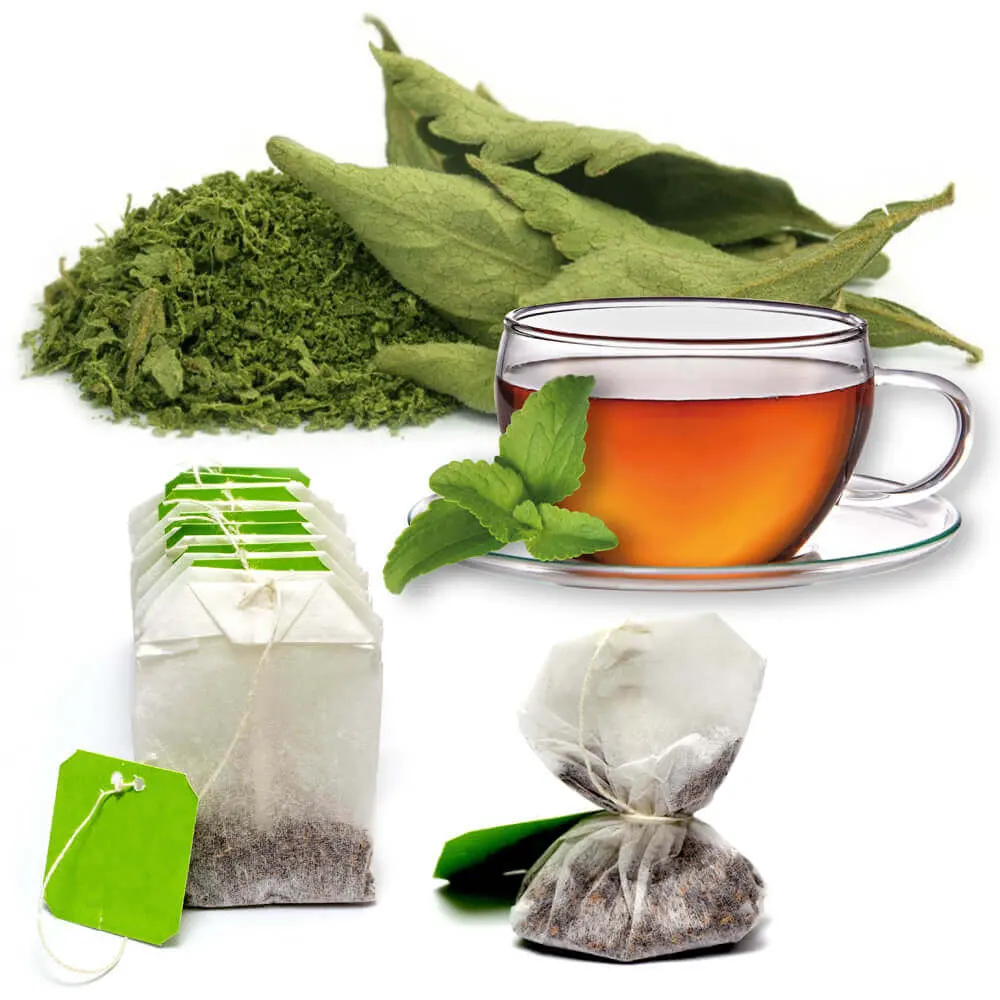
Stevia: Advantages for diabetics
Stevia offers diabetics—and indeed everyone—numerous benefits as a sweetener. Its consumption does not alter blood sugar levels, and it's notably tooth-friendly, considerably reducing the risk of tooth decay. Evidence even indicates that Stevia might lower blood sugar in managing type 2 diabetes.
In summary: Diabetics don't need to worry; Stevia is a safe sweetener. Some evidence even suggests it might positively affect blood sugar levels.
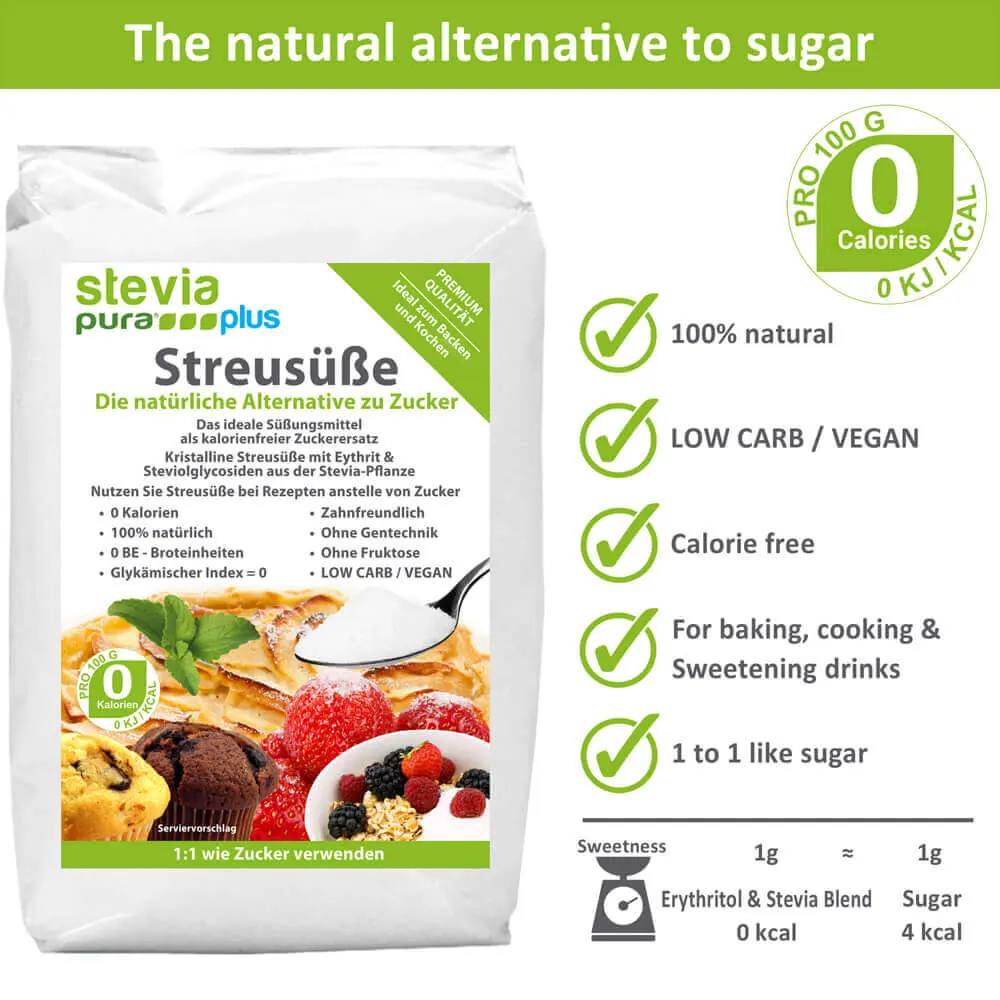
Is Stevia an appropriate choice for diabetics?
Steviol glycosides can be found in a wide range of products, such as candies, fruit and vegetable mixes, jellies, and jams. This widespread use questions the safety of this natural sweetener.
Diabetics may feel secure eating Stevia-sweetened cakes when the issue may be the white flour used, affecting blood sugar instead of Stevia.
Recommended daily consumption of Stevia is capped at four milligrams per kilogram of body weight. Check ingredients when buying Stevia items, as some manufacturers dilute it with cheap fillers or even sugar, possibly to soften its licorice-like bitter aftertaste.
Carefully check for labels like "with Stevia," as such products often aren't solely Stevia and might not be sugar- or calorie-free.
Stevia on its own doesn't ensure healthiness or suitability for diabetics—evaluate the complete ingredient list of any Stevia-sweetened item.
What do experts think about Stevia in diabetes treatment?
Despite several advantages, most experts view Stevia as no better or worse than other sweeteners. Concerns about overdosing on Stevia and its effects on the body remain unaddressed.
Experts recognize Stevia as one of several options diabetics can use for sweetening food and drinks but advise caution to avoid overdosing, given the uncertainties about exceeding the recommended quantity.

Things to know
Stevia represents an attractive sugar alternative for diabetics, as it doesn't influence blood sugar. Those unwilling to forgo sweetening food find Stevia a smart choice.
Still, it's advisable to thoroughly understand the ingredients of foods and products.
A healthy lifestyle is vital, especially for those with type 2 diabetes! Stevia can aid in reducing sweet intake for a more mindful approach to sugar.