
Why Stevia is a Great Alternative to Conventional Sugar
How Healthy is Stevia Really?
Stevia originates from a sweet-tasting plant that is processed into a healthy sweetener in many parts of the world. Stevia is particularly healthy because it contains neither sugar nor calories.
In addition, the blood sugar level is not affected by Stevia and the teeth are protected against caries.
Living without Sweets is Unnecessary
The demand for calorie-free, sweet foods is high. Ideally, these should also protect teeth and not alter blood sugar levels. Regular consumption should not harm the body but rather have positive health effects, as is the case with Stevia.
Today, there are numerous sweeteners and sugar substitutes, but none offer as many benefits as Stevia. Additionally, most of these are artificial. The plant "Stevia rebaudiana," also known as sweet herb, originates from South America and is naturally very sweet.
Compared to conventional table sugar, Stevia is about 30 times sweeter. Yet, it contains neither calories nor sugar. The sweetener derived from Stevia, called stevioside, is up to 450 times sweeter than beet sugar.

Weight Management with Stevia
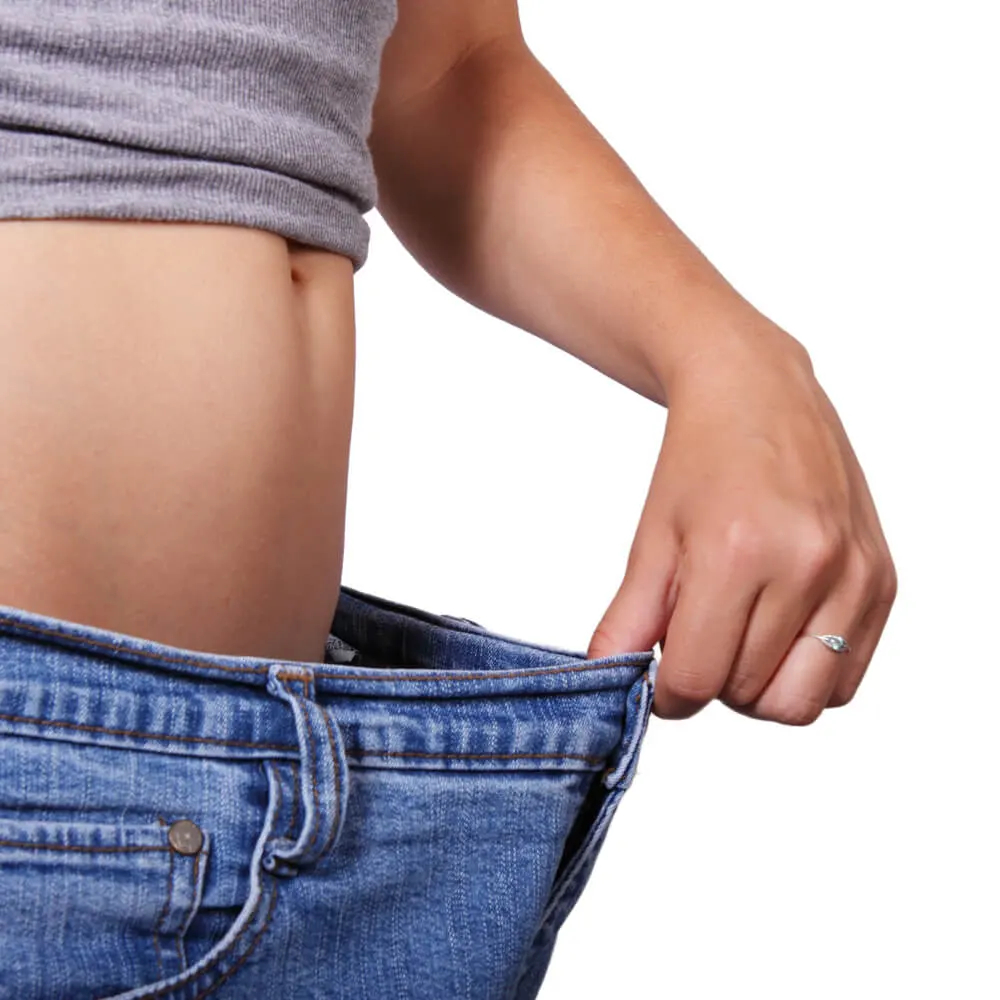
Reducing body weight is known to require either a lower caloric intake or an increased calorie burn. While this may be easier said than done, it can be achieved with the right approach. An effective solution for this is Stevia. This nearly calorie-free plant has been used as a sweetener in Japan since the 1970s and holds a market share of 40% there.
Stevia and Blood Sugar Levels
Another advantage of Stevia is that it does not affect blood sugar levels, which makes weight loss with Stevia easier. Maintaining stable blood sugar levels is crucial for a healthy body weight. Stevioside can help lower blood sugar levels.
Household sugar contains about 400 calories per 100 grams, whereas steviol glycosides are calorie-free because the body cannot digest them and excretes them undigested.
Thus, Stevia is more than just a calorie-free sugar substitute. It has no impact on blood sugar levels because, unlike regular sugar, the digestive system cannot break down steviol glycosides into absorbable simple sugars (monosaccharides) and release them into the bloodstream. As a result, blood sugar and insulin levels remain constant despite the consumption of foods sweetened with Stevia. Therefore, Stevia is also suitable as a sweetener for diabetics.


Cavity Prevention with Stevia and Sugar Substitutes
It is generally known that sugar is harmful to our teeth. A sugary diet can lead to unpleasant visits to the dentist for many people.
A low-sugar diet is optimal for our dental health and overall well-being. Cavities are caused by specific mouth bacteria that feed on sugar. The more sugar these bacteria consume, the more harmful acids they produce, which can lead to cavities.
Most people are aware of the harmful effects of sugar on teeth, but many find it difficult to give up sweets. Could Stevia and other sugar substitutes be a better alternative for dental health?
What are Stevia Sweeteners and Sugar Substitutes?
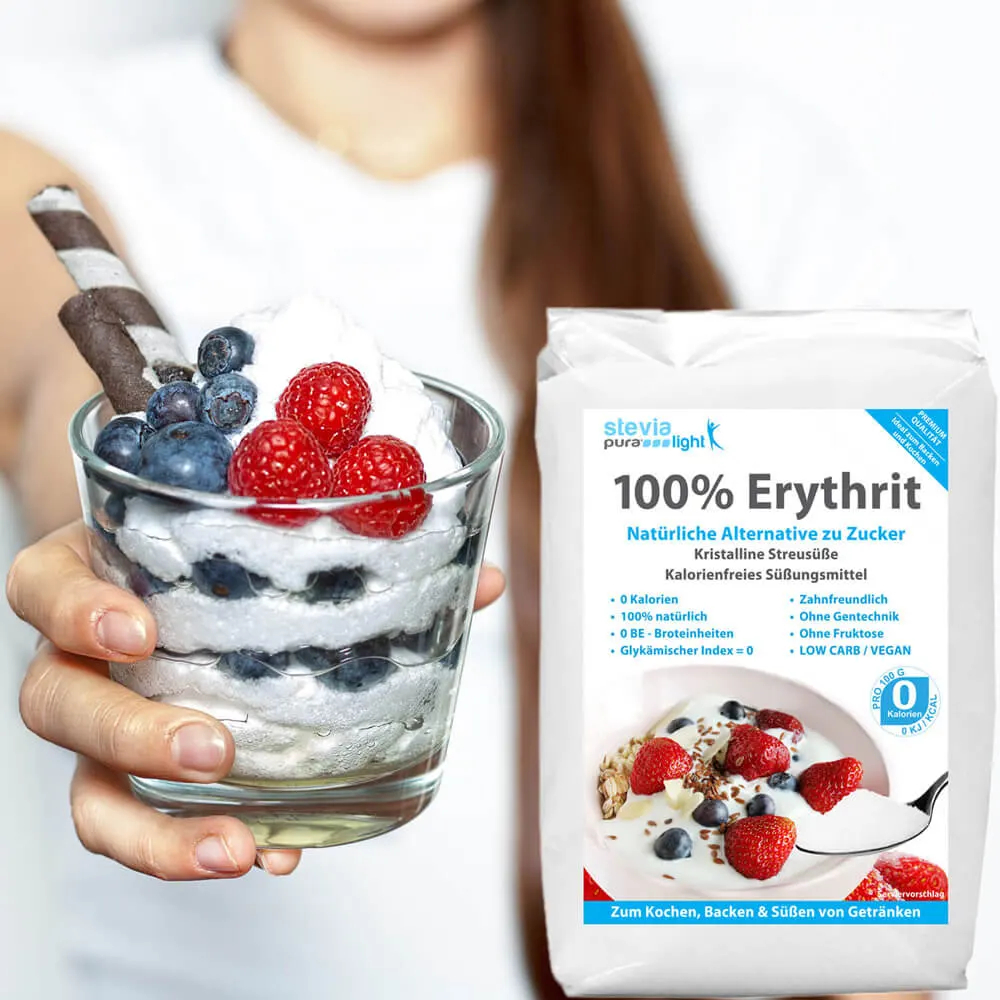
Examples of sugar substitutes include erythritol and isomalt. These substances are generally less sweet than conventional sugar, contain significantly fewer calories, and have little impact on insulin levels.
Therefore, these substitutes are also suitable for diabetics. Sugar substitutes are heat-stable, making them ideal for cooking and baking, such as in cakes or Christmas cookies.
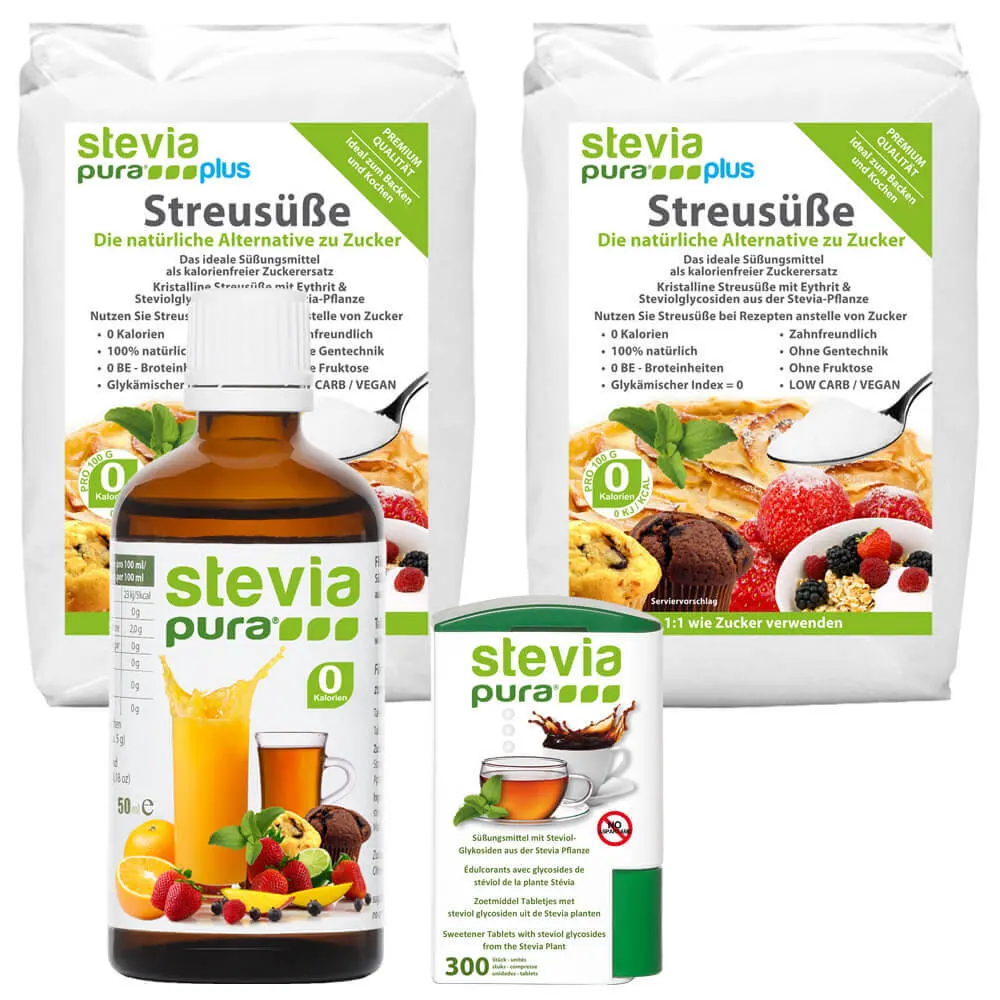
Sweeteners include Stevia, saccharin, and aspartame. These are significantly sweeter than regular sugar. Sweeteners have almost no calories and are also suitable for diabetics. However, due to their high sweetness, they are more challenging to dose than sugar substitutes. Sweeteners are often used as low-calorie sweeteners in soft drinks.
Do Sugar Substitutes Promote Dental Health?
Unlike regular sugar, sugar substitutes and sweeteners neither promote plaque formation nor cause cavities. The bacteria in the mouth cannot metabolize these substances or do so only very slowly. Erythritol and Stevia are excellent for reducing sugar consumption and preventing cavities without having to forgo sweetness.
Beware of Hidden Sugars! | What Exactly is Hidden Sugar?
Food manufacturers add sugar to many products where you wouldn't expect sweetness. This is often done to improve taste, texture, and shelf life, while saving on healthier and more expensive ingredients.
Although producers are required to list these ingredients, they are often not immediately recognizable to consumers as sugar. A useful tip: look for endings like "-ose" or "-syrup," for example, dextrose or maltose syrup. Other terms indicating hidden sugars include barley malt, skimmed milk powder, malt extract, maltodextrin, natural fruit sweeteners, or whey powder.
Be cautious with the following products: chips, fruit purees in pouches ("squeezies"), sweetened fruit yogurt, ketchup, granola bars, juice spritzers, or dried fruit. Many consumers do not realize that products labeled "sugar-free" or "sweetened without sugar" often still contain sugars. Terms like fructose (fruit sugar), glucose (grape sugar), glucose syrup, lactose (milk sugar), or maltose (malt sugar) may appear on the ingredients list. Unlike sugar substitutes, these substances can also cause cavities.
Per Capita Sugar Consumption
In Germany, the average annual sugar consumption per person is about 35 to 40 kilograms. In the USA and Switzerland, this figure is almost twice as high. This not only includes the sugar used for coffee or baking but also the sugar found in products like jam, cocoa drinks, nut-chocolate spreads, juices, soft drinks, chips, cookies, or cereal. The amount of sugar in such foods is often not obvious.
The positive effect on dental health is noticeable even if only part of the daily consumed sugar is reduced. In addition to the cavity-preventing properties of Stevia, this sweetener is also believed to help prevent plaque formation.
Can Stevia Lower Blood Pressure?
According to a study by Onakpoya & Heneghan from the University of Oxford's Department of Primary Care Health Sciences, steviosides have the potential to lower high blood pressure. Recently, CNN reported that the fructose found in many foods is associated with an increased risk of high blood pressure. Consuming even just two and a half servings of fructose- or sugar-sweetened sodas can increase this risk.
Simply sweetening beverages like coffee, tea, or homemade lemonade with Stevia can help maintain lower blood pressure in the long term.
Using Stevia Correctly
Many foods can be easily sweetened with Stevia instead of sugar or synthetic sweeteners. One example is homemade tomato sauce. Similarly, you can make a low-calorie lemonade by squeezing some lemon juice into a glass of water and adding a bit of Stevia for the desired sweetness.
Many Smoothies Have a High Sugar Content
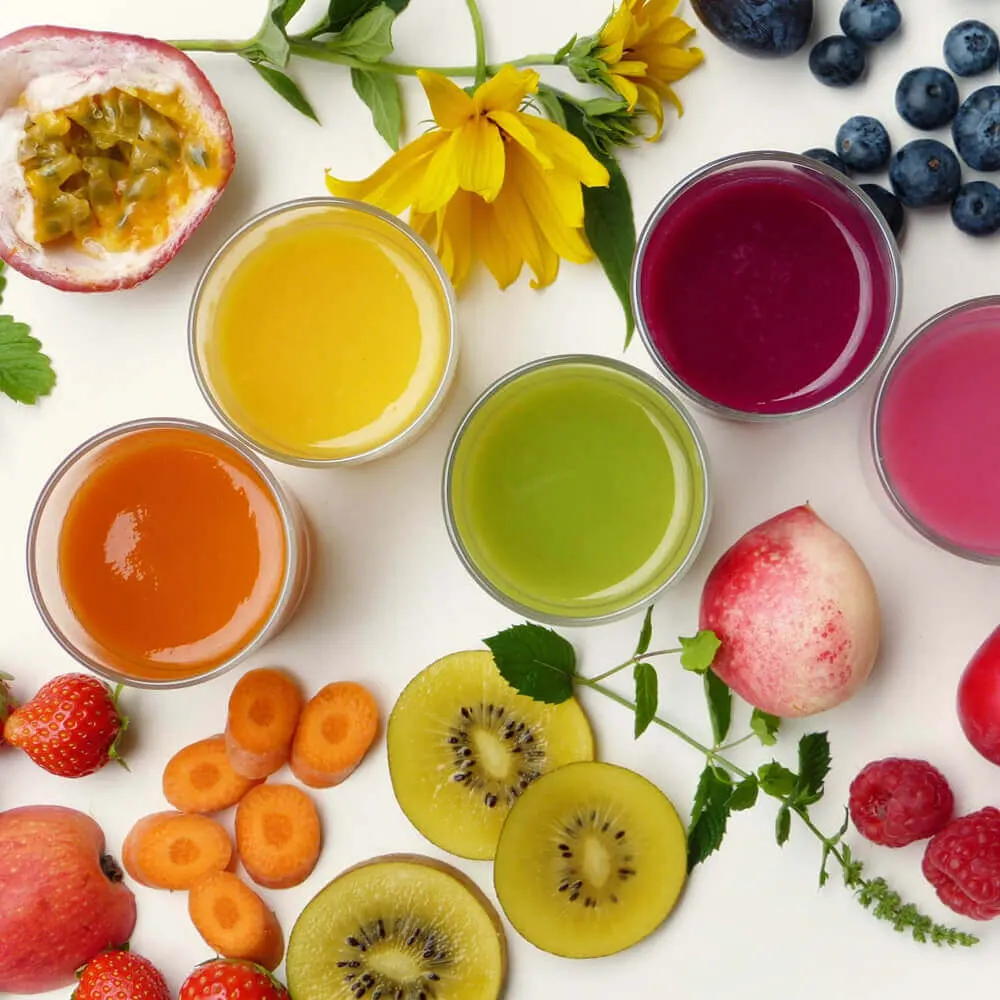
Store-bought smoothies often contain a significant amount of hidden sugars, both in the form of fructose and regular sugar, sometimes even more than cola. Stiftung Warentest examined various smoothies in detail in the magazine "test" issue 3/2021.
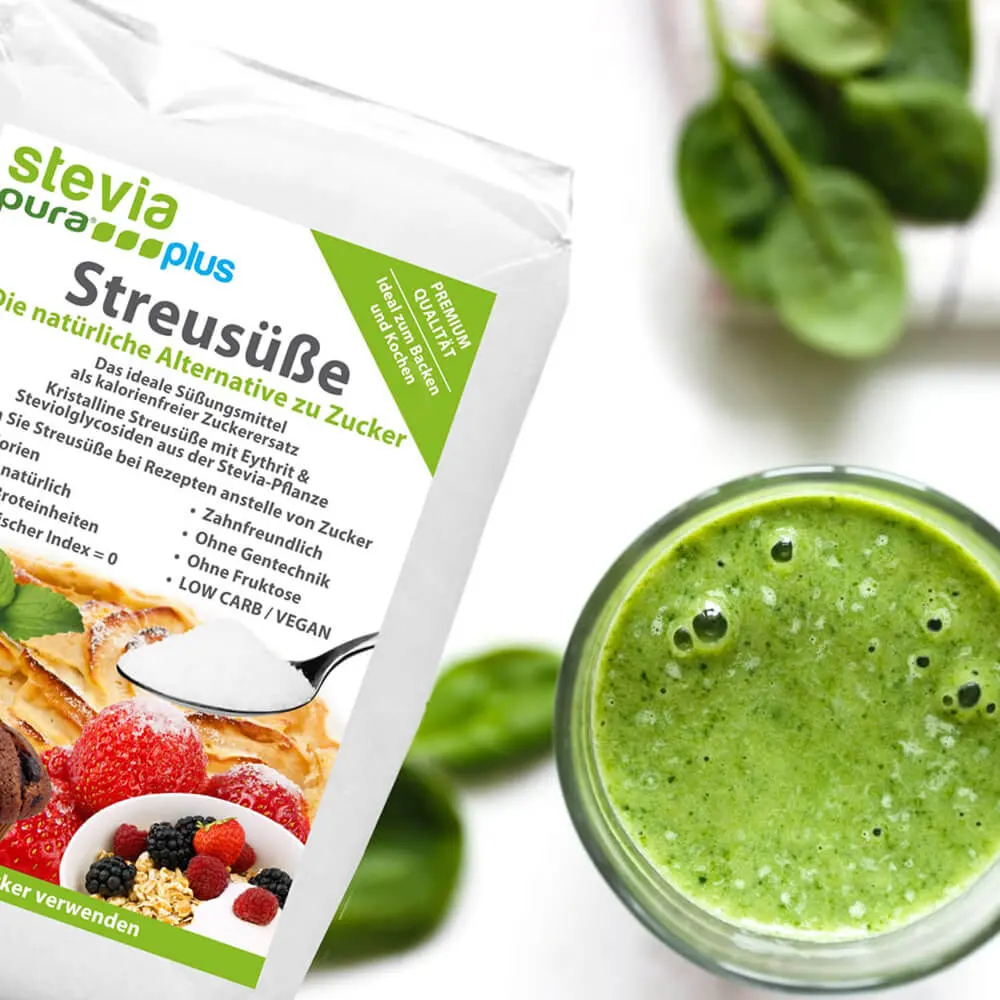
However, sugar-free smoothies can also be easily made at home. These homemade versions are not only rich in essential nutrients but also have a satiating effect, naturally preventing hunger pangs.
Baking with Stevia
When using Stevia for baking, it is important to follow recipes specifically designed for it. You can find Stevia recipes in dedicated cookbooks, on popular Stevia websites, or under sections like "Baking without Sugar."